What Is Convection Mode in Oven? A Closer Look
Convection mode in an oven is a setting that uses a fan to circulate hot air. This creates a more even cooking temperature throughout the oven cavity. It’s different from regular baking because the moving air cooks food faster and more uniformly.
You might wonder why your cookies come out golden brown on the edges but pale in the center with regular bake. Convection solves this by ensuring heat reaches all sides of your food. Many home cooks find it transforms their baking and roasting results. It can also make your cooking time shorter.
- Convection mode uses a fan to move hot air.
- This leads to more even and faster cooking.
- It’s great for roasting meats and baking pastries.
- You might need to adjust temperatures and times.
Ready to understand how convection can improve your cooking? Let’s dive into what convection mode really means for your kitchen. If you’re curious about other small oven options, our guide to what a toaster oven is used for can help.
Understanding Your Oven’s Convection Setting
So, you’ve seen the “convection” button on your oven and wondered what it actually does. Think of it as giving your oven a superhero cape. It uses a fan to blow hot air around. This makes cooking more even and often faster. You’re probably familiar with regular baking, where heat comes from elements at the top and bottom. Convection adds that extra boost of circulating air. We found that many home cooks see a big difference in their results.
How Does Convection Cooking Work?
In a standard oven, heat waves do most of the work. This can sometimes lead to hot spots. Food closer to the heating elements cooks faster. This means you might have to rotate pans. Convection ovens have a fan, usually in the back. This fan pushes hot air all around the oven cavity. It’s like a gentle, constant breeze of warmth. This moving air surrounds your food. It helps cook every side at the same rate. We found this makes a huge difference for delicate items like pastries.
The Fan’s Role in Heat Distribution
The fan is the star of the show in convection mode. It doesn’t just spin; it actively moves the air. This constant circulation prevents cooler pockets from forming. Instead, you get a more uniform temperature from top to bottom and side to side. Many oven manufacturers highlight this feature for its ability to create consistent results. It’s this evenness that helps prevent burnt edges and pale centers.
Convection vs. Traditional Baking
Imagine you’re trying to dry your hands under a regular fan versus a fan that blows warm air. The warm air fan works much faster, right? Convection works similarly. Traditional baking relies on radiant heat. Convection adds the power of convective heat transfer. This is the transfer of heat through the movement of fluids, like air. The moving air in convection is more efficient at transferring heat to your food. This leads to quicker cooking and better browning. We found that items like roasted vegetables get wonderfully crisp edges.
What Foods Benefit Most from Convection?
Convection mode isn’t just for show; it’s especially helpful for certain types of cooking. If you love to roast meats or poultry, you’ll likely see fantastic results. The circulating hot air helps create a lovely, crispy skin. It also cooks the inside more evenly, reducing the chance of dry, overcooked edges. For bakers, especially those who make pies, cookies, and cakes, convection can be a game-changer. It ensures your pastries are golden brown all over. We found that even browning is one of the biggest benefits reported by users.
Roasting with Convection
When you roast a chicken or a beef roast in convection mode, the results can be stunning. The fan helps to create a beautifully browned exterior. It also helps to render fat more effectively. This means less greasy results and more delicious crispy bits. You’ll find your roasts cook through more evenly. This reduces the need for constant turning. Many chefs recommend using convection for large cuts of meat.
Baking Pastries and Cookies
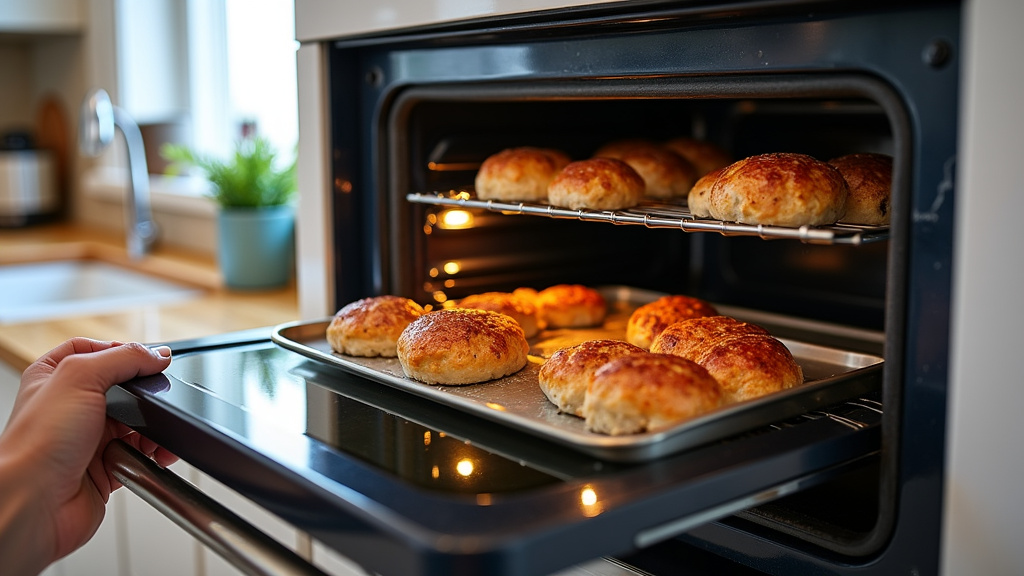
For baked goods, especially those that spread, convection is your friend. Think cookies, pies, tarts, and delicate cakes. The even heat prevents one side from burning while the other remains pale. This is because the air is always moving, carrying heat to all surfaces of your baked goods. You’ll get more uniform rise and a consistent golden color. We found that cookies bake flatter and crispier on the edges when using convection.
Adjusting Your Cooking with Convection
Because convection cooks food faster and more efficiently, you’ll often need to make a couple of adjustments. This is the most common piece of advice from cooking experts. They generally suggest two main changes: reducing the temperature and shortening the cooking time. A good rule of thumb is to lower the oven temperature by about 25°F (around 15°C). You may also find that your food cooks 20-25% faster.
Temperature Adjustments
If a recipe calls for baking a cake at 350°F (175°C) in a regular oven, you might want to set your convection oven to 325°F (160°C). This prevents your baked goods from getting too dark on the outside before the inside is cooked. It’s always better to start with a lower temperature and check your food. You can always add a few more minutes if needed. We found that many recipes now include convection temperature and time suggestions.
Time Adjustments
Along with lowering the temperature, you’ll likely find that your food is ready sooner. If a recipe typically takes 30 minutes, it might only take 20-25 minutes in convection mode. Keep an eye on your food as it cooks. It’s a good idea to start checking about two-thirds of the way through the original time. This is especially true when you’re first getting used to your convection oven. You’ll get a feel for how quickly things cook.
When to Use Traditional Bake Instead
While convection is fantastic for many things, there are times when regular bake is better. Some delicate cakes, like angel food cake or chiffon cake, can be negatively affected by the strong air circulation. The fan can sometimes cause these light, airy cakes to collapse or become tough. Also, if a recipe specifically calls for the radiant heat of a traditional oven for a particular browning effect, it’s best to stick with that. Many ovens offer a “bake” or “traditional bake” setting for these situations.
Consider this a quick reference for when to choose convection:
- Use convection for roasting meats and vegetables.
- It’s great for baking cookies, pies, and tarts.
- Convection helps achieve crispier skins and exteriors.
- Use regular bake for very delicate cakes.
- Follow recipe guidelines if they specify convection or bake.
- Start with a lower temperature and shorter time when converting recipes.
Conclusion
You’ve learned that convection mode in your oven uses a fan to circulate hot air, leading to more even and faster cooking. This setting is fantastic for roasting meats and baking pastries, helping you achieve delicious, crispy exteriors and uniformly cooked interiors. Remember to adjust your recipes by lowering the temperature by about 25°F and checking your food earlier. For delicate items like certain cakes, traditional bake might still be your best choice. Now, you’re ready to confidently use your convection oven and enjoy improved cooking results.
Frequently Asked Questions
Will using convection mode always cook my food faster?
Convection mode generally cooks food faster because the circulating hot air transfers heat more efficiently. However, the exact time saved can vary depending on the food type and your specific oven. You’ll likely find you need to reduce cooking times by about 20-25%.
Can I use convection mode for all types of baking?
While convection is great for many baked goods like cookies and pies, it’s not ideal for all. Very delicate cakes, such as angel food or chiffon cakes, can sometimes be negatively affected by the fan’s air circulation. These are often best baked using the traditional bake setting.
How do I know if my oven has convection?
Most modern ovens will clearly label a “convection” setting or a symbol that looks like a fan with heat waves. Check your oven’s control panel, and if you’re unsure, consult your oven’s user manual for specific details.
Do I need to buy special cookware for convection ovens?
No, you don’t need special cookware for convection ovens. Your regular baking sheets, roasting pans, and casserole dishes will work just fine. The convection setting itself is about how the oven heats, not the type of pans you use.
What’s the difference between convection bake and convection roast?
Convection bake typically uses the fan with heat from both the top and bottom elements, ideal for pastries and even baking. Convection roast often uses the fan with more intense heat, usually from the bottom element, to create a crispier exterior on meats and poultry.