How Does Convection Cooking Work in a Toaster Oven?
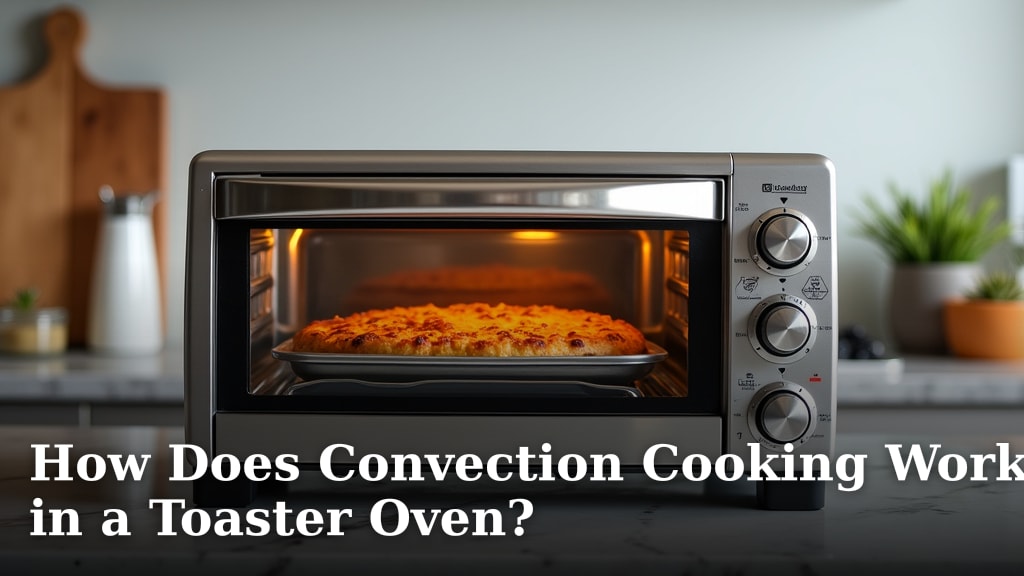
Convection cooking in a toaster oven works by using a Convection cooking in a toaster oven works by using a countertop toaster oven.fan to circulate hot air. This constant movement of air cooks food more evenly and often faster than traditional toaster ovens. You’ll find your meals get a nice crispness, too, because of this efficient heat distribution.
Think of it like a small, super-powered convection oven. The fan is the key difference, creating a consistent temperature all around your food. This means fewer hot spots and more consistent cooking results for everything from baked chicken to roasted vegetables. It’s a smart way to get better performance from your appliance.
- Convection uses a fan to move hot air.
- This makes cooking more even and faster.
- You get crispier results on your food.
- It’s like a mini, efficient oven.
Let’s walk through exactly how this circulating hot air makes a difference in your cooking. We’ll cover what makes it so effective and what you can expect.
Understanding Convection in Your Toaster Oven
So, how exactly does that little fan inside your toaster oven change things? It’s all about how heat moves. In a regular oven, heat mostly rises and radiates from the heating elements. This can create hotter spots and cooler spots. Your food might cook unevenly.
A convection toaster oven adds a fan and an exhaust vent. The fan blows the hot air around the cooking chamber. This keeps the air temperature more consistent. It’s like a gentle, constant breeze of warm air. This air movement helps cook your food more evenly and often faster than you might expect.
The Science of Moving Air
Think about how wind can make a cool day feel colder. The moving air pulls heat away from your skin faster. Convection cooking works on a similar principle, but with heat. The circulating hot air constantly bathes your food. It carries heat to every surface.
This continuous flow of hot air does two main things. First, it reduces hot and cold spots. Every part of your food gets about the same amount of heat. Second, it speeds up cooking. The moving air transfers heat more efficiently to the food’s surface. This can make your cooking time shorter.
Fan Speed and Airflow
Some toaster ovens have a single fan speed. Others offer multiple speeds. A higher fan speed means more air movement. This can lead to even faster cooking and crispier results. It’s great for foods you want browned and crunchy, like roasted potatoes or chicken wings.
The placement of the fan and vent also matters. Most convection toaster ovens have the fan at the back. The vent is usually near the fan. This design helps create a consistent circular airflow. Research shows that good airflow is key for even cooking (USDA Food Safety and Inspection Service).
Benefits of Convection Cooking
You might be wondering what this means for your actual cooking. The main benefit is more consistent results. Whether you’re baking cookies or roasting a small chicken, you’ll likely find your food cooks more evenly. No more rotating pans halfway through because one side is burning!
Another great benefit is speed. Because the hot air is constantly moving, heat transfer is more efficient. This means you can often reduce cooking times by up to 25%. You can also often cook at a slightly lower temperature. This can save energy and prevent overcooking the outside while the inside is still raw.
Crispier Food, Anyone?
The constant airflow from the convection fan is a secret weapon for getting food nice and crispy. The moving air helps to evaporate moisture from the surface of your food more quickly. This is especially true for baked goods and roasted vegetables.
This quick drying effect helps create a lovely, golden-brown crust. Think about the difference between air-dried laundry and air-fried chicken wings. The air movement is key! You’ll notice your roasted vegetables get a beautiful sear. Your pies and tarts will have a crispier crust.
When to Use Convection (and When Not To)
Convection cooking is fantastic for many things. It excels at roasting vegetables, meats, and poultry. It’s also great for baking cookies, pies, and bread if you want a crispier finish. If you’re making a pizza, convection can give you a nicely browned crust.
However, some dishes don’t benefit from convection. Very delicate baked goods, like angel food cake or soufflés, can be negatively affected by the fan. The strong airflow might cause them to sink or dry out too quickly. For these, it’s usually best to use the regular bake setting.
Adjusting Recipes for Convection
If a recipe calls for a standard oven, you’ll often need to make slight adjustments when using convection. The general rule of thumb is to either lower the temperature or shorten the cooking time. Many experts recommend reducing the oven temperature by about 25°F (15°C) when using convection.
For example, if a recipe says to bake at 375°F (190°C) on a regular setting, try 350°F (175°C) on convection. You might also want to check your food a little earlier than the recipe suggests. It’s always better to check for doneness and add a few more minutes if needed, rather than overcook.
Convection vs. Regular Bake in Toaster Ovens
Let’s break down the key differences you’ll see in your kitchen:
| Feature | Regular Bake | Convection Bake |
|---|---|---|
| Heat Distribution | Radiant heat, can have hot/cold spots. | Fan circulates hot air for evenness. |
| Cooking Speed | Standard cooking times. | Often faster, 10-25% reduction. |
| Food Texture | Good, but can be less crisp. | Achieves crispier crusts and browning. |
| Best For | Delicate cakes, custards, soufflés. | Roasting meats/vegetables, cookies, pies, pizza. |
| Temperature Adjustment | Use recipe temperature. | Consider lowering temp by 25°F (15°C). |
Tips for Convection Success
Getting the most out of your convection toaster oven is simple with a few pointers. You want to make sure that air can flow freely around your food. Don’t overcrowd the baking tray or oven rack.
Here’s a quick checklist for your convection cooking adventures:
- Ensure food has space around it for air circulation.
- Adjust recipe temperatures down by about 25°F (15°C).
- Check food for doneness a bit earlier than the recipe states.
- Use convection for roasting and crisping tasks.
- Turn off convection for very delicate baked items.
- Experiment with your specific oven – they can vary slightly!
Conclusion
You’ve learned how convection cooking in your toaster oven uses a fan to create a consistent flow of hot air. This simple addition means your food cooks more evenly and often faster. You’ll also enjoy deliciously crispier results on everything from roasted vegetables to baked goods. Remember to adjust your recipes by lowering the temperature or shortening the cook time. By understanding these principles, you can confidently use your convection toaster oven to achieve great cooking results every time. Start experimenting with your favorite recipes today!
Frequently Asked Questions
Will convection cooking make my food dry?
Convection cooking actually helps to keep food moist by cooking it more evenly. The circulating air helps evaporate surface moisture quickly, which can lead to a crispier exterior. However, it can dry out very delicate items if used incorrectly. For most foods, like roasts or cookies, it leads to better texture, not dryness.
Can I use convection cooking for baking cakes?
For most cakes, especially those that are dense or need to rise evenly, it’s often best to use the regular bake setting. The strong airflow of convection can sometimes cause lighter cakes to sink or their tops to dry out too quickly. If you want a crispier crust on a pie or tart, convection is a great choice, but for delicate cakes, stick to traditional baking.
How much faster will convection cook my food?
Research and general cooking experience suggest that convection can reduce cooking times by about 10-25%. This is because the constant movement of hot air transfers heat more efficiently to your food. You’ll notice this most with items like roasted meats and vegetables. Always keep an eye on your food, as it might cook faster than the recipe indicates.
Do I have to adjust my recipes for convection?
Yes, it’s generally a good idea to make slight adjustments. The most common advice is to lower the oven temperature by about 25°F (15°C) compared to a standard recipe. You may also want to check your food for doneness a little earlier than the recipe suggests. These small changes help prevent overcooking.
What’s the difference between convection bake and convection roast?
Often, toaster ovens have separate settings for convection bake and convection roast. Convection bake typically uses a moderate fan speed and is ideal for general baking like cookies or cakes. Convection roast usually uses a higher fan speed and more intense heat, perfect for browning meats and vegetables quickly. Check your oven’s manual for specific details on its settings.