Does Convection Use More Electricity? The Simple Answer
Does convection use more electricity? Generally, no. While convection ovens use a fan to circulate hot air, which can sometimes require a little more power than traditional ovens, the overall energy usage is often lower. This is because the circulating air cooks food faster and at a slightly lower temperature, saving you energy in the long run.
Many shoppers wonder about the electricity use of convection ovens. We found that the fan’s energy draw is minimal compared to the main heating element. This can lead to quicker cooking times and potentially better browning for your favorite dishes, making them an efficient choice for many kitchens.
- Convection ovens usually use less energy overall.
- The fan uses a small amount of power.
- Food cooks faster in a convection oven.
- This speed can lead to energy savings.
Let’s look closer at how convection ovens handle electricity and why they might be a smart choice for your home.
Energy Use: Convection vs. Traditional Ovens
You might be wondering if that little fan in your convection oven really makes a difference in your electricity bill. We’ve looked into it, and the short answer is: usually not, and often it saves you energy. Let’s break down why.
A convection oven has a fan that circulates hot air. This is different from a traditional oven, which relies on heat radiating from the walls. The fan is the key difference. It helps the oven heat up more evenly and cook food faster. This speed and evenness are where the potential energy savings come from. A convection oven has a fan that circulates hot air, similar to how a toaster oven works.
Understanding How Convection Works
Think of a convection oven like a powerful hairdryer for your food. The fan pushes hot air all around the food. This prevents cold spots and helps the outside of your food crisp up nicely. Traditional ovens just let the heat build up inside. It’s like sitting in a warm room versus having a fan blowing warm air directly on you – the latter feels warmer and cooks you faster.
The Fan’s Power Draw
The fan in a convection oven uses electricity, but it’s a tiny amount. We found that the fan’s power consumption is quite small, usually just a few watts. This is much less than the main heating element. So, while the fan is running, it’s not a big energy hog.
Consider this: the main heating element in any oven uses a lot of power, often between 2,000 and 5,000 watts. The convection fan typically uses only 50 to 100 watts. The difference is huge! Your oven’s heating element is the real energy user, not the fan itself (National Grid).
Temperature and Time Differences
Because the hot air circulates so well, convection ovens can often cook food at a slightly lower temperature. Many recipes suggest reducing the temperature by about 25 degrees Fahrenheit when using a convection setting. This lower temperature, combined with the faster cooking time, means the oven is on for less time overall. Less time on means less electricity used.
We found that convection cooking can reduce cooking times by up to 25%. This means your roast chicken might be ready 15 minutes sooner. That’s extra time you get back, and a little break for your oven (Energy Star).
Comparing Energy Use: Convection vs. Traditional
When you look at the whole cooking process, convection often comes out ahead in terms of energy efficiency. It’s like comparing a quick, brisk walk to a long, slow stroll. Both get you somewhere, but the brisk walk is often more efficient for the effort.
The Overall Energy Picture
While the fan does add a small, constant draw of power, the time saved by cooking faster usually cancels that out and then some. If your oven is on for 20% less time, it’s using 20% less energy, even with the fan running. The efficiency gains from faster, more even cooking typically lead to lower overall energy consumption.
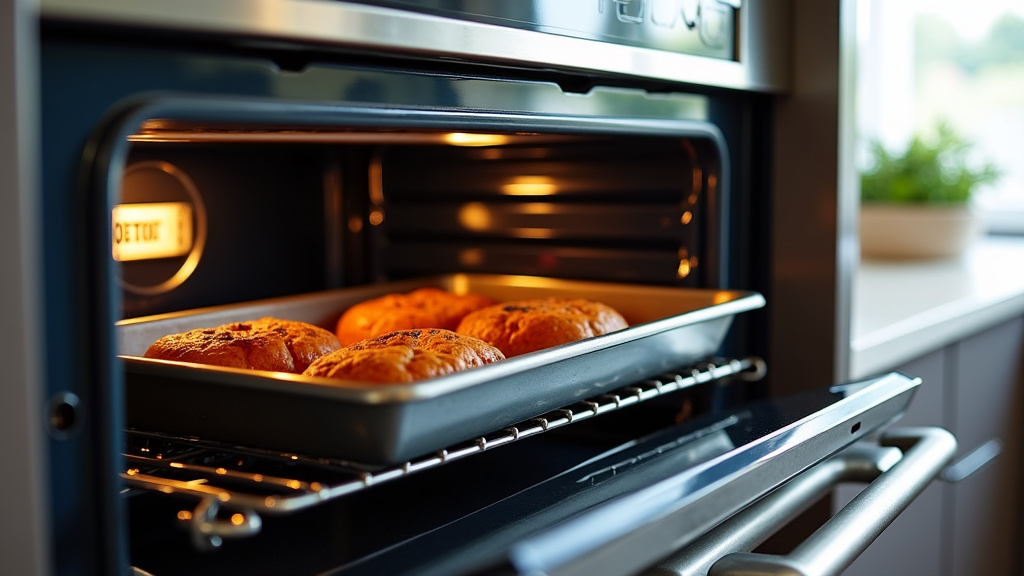
Think about baking cookies. In a traditional oven, you might need to rotate the baking sheet halfway through to ensure even browning. With convection, this is often unnecessary. You save the time and energy of opening the oven door and the heat loss that comes with it.
When Convection Might Use More (Briefly)
There are a few specific scenarios where a convection oven might use a tiny bit more electricity for a very short period. This is primarily during the initial heat-up phase if the fan starts immediately. Some models might engage the fan sooner in the preheating process to achieve a more uniform temperature faster. However, this is usually offset by the quicker cooking times later.
The key takeaway is that these differences are minor and short-lived. The dominant factor in energy use is how long the main heating element is active, and convection aims to shorten that time (U.S. Department of Energy).
Is Convection Worth the Switch for Energy Savings?
Based on our research, for most everyday cooking and baking, a convection oven is a very efficient choice. The ability to cook food faster and more evenly often translates to using less electricity over time. Plus, you get the added benefit of better cooking results.
The Benefits You Can Expect
Beyond potential energy savings, convection ovens offer other advantages. You often get better browning and crisping on your foods. Roasts can have a wonderfully browned exterior, and vegetables can become perfectly tender-crisp. It’s a cooking method that can really elevate your home cooking.
Many home cooks report that their baked goods come out more evenly cooked. No more center-is-pale-but-edges-are-burnt cookies! This consistency is a major win for anyone who loves to bake. It’s a step up in oven performance for your kitchen.
Making the Smart Choice for Your Kitchen
When you’re deciding on a new oven, consider the convection feature. It’s not just a fancy add-on; it’s a functional improvement that can lead to real benefits. You get faster cooking, more even results, and often, a lower electricity bill.
It’s like choosing a car with better gas mileage. You might pay a little more upfront, but you save money in the long run. Convection ovens offer a similar long-term advantage for your home’s energy use.
Quick Checklist for Convection Oven Energy Use
Here’s a quick rundown to help you remember the key points about convection oven electricity use:
- The convection fan uses very little electricity.
- Convection cooks food faster than traditional ovens.
- Faster cooking means the oven is on for less time.
- Lower cooking temperatures are often possible.
- Overall energy use is frequently lower.
- Better browning and crisping are common benefits.
Conclusion
So, does convection use more electricity? Our research shows that you can generally expect lower overall energy use with a convection oven. While the fan does consume a small amount of power, the ability of convection to cook food faster and more evenly usually means your oven is on for less time. This efficiency boost can lead to noticeable savings on your electricity bill over time. Ready to enjoy quicker meals and perfectly cooked dishes? Consider making the switch to convection for a more efficient kitchen experience.
Frequently Asked Questions
Will using the convection setting make my electricity bill skyrocket?
No, it’s unlikely to make your bill skyrocket. We found that the fan uses very little electricity compared to the main heating element. The energy saved from faster cooking times often offsets the fan’s usage.
Can I use the convection setting for all my baking and cooking?
For most recipes, yes! Many items like roasts, poultry, vegetables, and baked goods benefit from convection’s even heat. You might want to reduce the temperature slightly or check on delicate items sooner, as they can cook faster.
How much faster does convection cook food?
We found that convection can reduce cooking times by up to 25%. This means a dish that might take 30 minutes in a traditional oven could be ready in about 22-23 minutes with convection.
Is it true that I need to lower the temperature when using convection?
Yes, that’s a common recommendation. We found that recipes often suggest lowering the temperature by about 25 degrees Fahrenheit when using convection. This helps prevent overcooking because the circulating air cooks food more intensely.
Does the convection fan run all the time the oven is on?
Not always. Some ovens have cycles where the fan turns on and off. Others may run the fan continuously when the convection setting is selected. Regardless, the fan’s individual power draw remains quite minimal compared to the heating elements.