What Is a Countertop Toaster Oven? What It Means
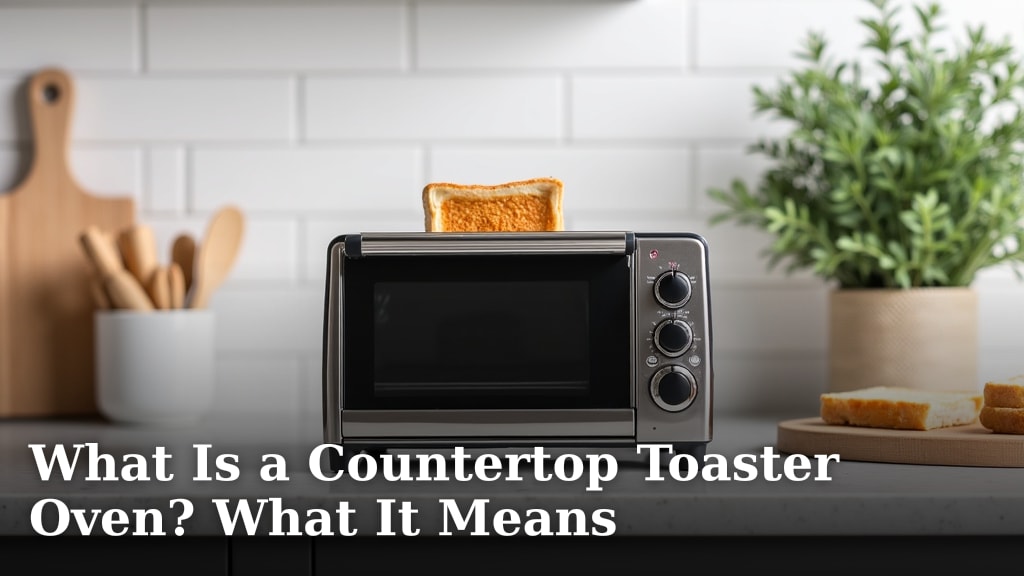
A countertop toaster oven is a small, versatile electric oven that sits on your kitchen counter. It’s designed to toast, bake, reheat, and broil food using compact heating elements. Think of it as a mini traditional oven that heats up quickly and saves space.
We found that many home cooks love these appliances for their energy efficiency and convenience. Unlike a full-sized oven, you won’t heat up your entire kitchen just to make toast or a small batch of cookies. They’re a practical solution for small kitchens, dorm rooms, or anyone wanting to cook for one or two people without a big appliance.
- A countertop toaster oven is a compact kitchen appliance for toasting, baking, and reheating.
- It uses less energy and cooks faster than a conventional full-size oven.
- Ideal for small spaces, quick meals, and avoiding kitchen heat.
- They come in various sizes and with features like convection cooking and digital controls.
- This guide explains how they work, their key benefits, and what to look for when shopping.
Below, we break down everything you need to know about how a countertop toaster oven works and what to consider when choosing the right one for your kitchen.
Understanding the Core Components and Functions
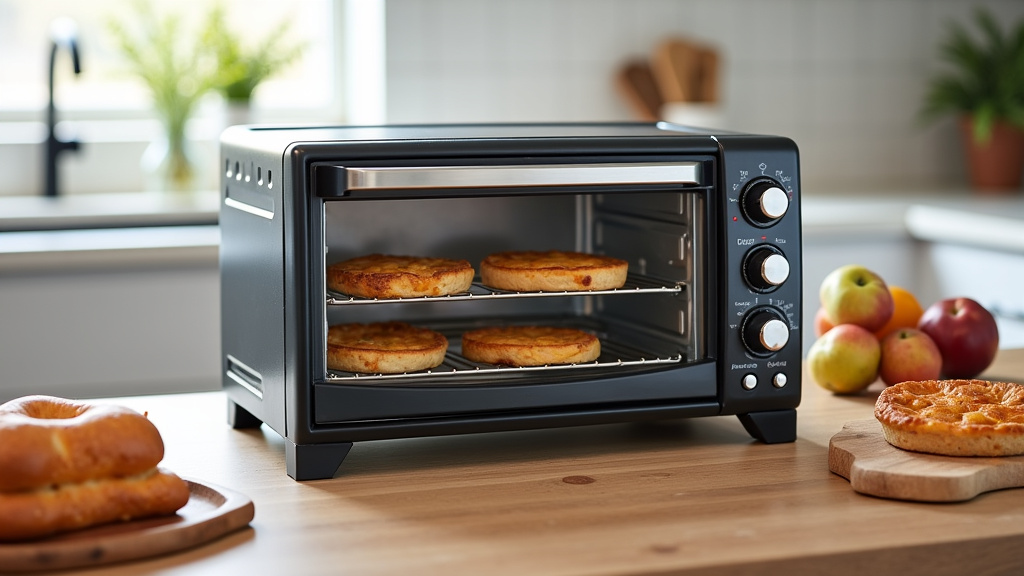
A countertop toaster oven is more than just a fancy toaster. It’s a small, enclosed cooking appliance with several key parts working together. You’ll find heating elements, usually on the top and bottom. A small interior rack holds your food. A crumb tray slides out for easy cleaning. Controls on the front let you set the temperature, time, and cooking mode.
These ovens primarily use radiant heat. The elements glow red hot and transfer heat directly to your food. This is why they can toast bread so effectively. But they do more than toast. You can bake a small batch of cookies, broil a piece of cheese on toast, or reheat last night’s slice of pizza. It’s a true multi-cooker for your countertop.
Key Parts You’ll Interact With
- Heating Elements: The coils that generate heat. Upper elements are often used for broiling, while lower elements handle baking and toasting.
- Interior Racks and Pans: Most come with a wire rack and a small baking or drip pan. Some models include a specialized pizza stone.
- Control Dials or Digital Panels: Older or simpler models use knobs for temperature and time. Newer ones have digital buttons and presets.
- Door with Glass Window: Lets you monitor cooking without opening the door and losing heat. Many have an auto-shutoff safety feature.
Different Types of Countertop Toaster Ovens
Not all toaster ovens are the same. They generally fall into two main categories. The type you choose depends on your cooking habits and budget. We found that understanding this difference is the first step to a good purchase.
Conventional vs. Convection Models
How a Standard Conventional Model Works
This is the classic toaster oven. It relies solely on radiant heat from the top and bottom elements. It’s simple, affordable, and perfect for toasting and basic baking. It will get the job done for reheating and cooking small meals. Think of it as the reliable workhorse of the category.
What a Convection Feature Adds
Convection models have a small fan inside. This fan circulates the hot air around the food. What’s the benefit? We found that it cooks food more evenly and often about 25% faster. It also creates crispier results, like for fries or roasted vegetables. It’s an upgrade that can make a real difference in your kitchen.
A Quick Comparison Table
| Feature | Conventional Toaster Oven | Convection Toaster Oven |
|---|---|---|
| Heat Source | Radiant heat from elements | Radiant heat + fan-circulated air |
| Best For | Toasting, basic reheating, simple baking | Even baking, roasting, crisping, faster cooking |
| Typical Price | More budget-friendly | Higher initial cost |
| Cooking Result | Can sometimes have hot spots | More consistent, golden-brown finish |
The Real Benefits of Using One Daily
So, why are these appliances so popular? The benefits go beyond just saving space. They offer practical advantages for everyday life that a full-size oven can’t match for small tasks.
Energy and Time Savings
Preheating a large oven can take 15 minutes and uses a significant amount of electricity. A toaster oven preheats in 3-5 minutes. According to the U.S. Department of Energy, using a smaller appliance for small meals can reduce energy consumption by up to 50% compared to your main oven. You’ll save time, money, and keep your kitchen cooler, especially in summer.
Perfect for Small-Scale Cooking
Cooking for one or two people? A toaster oven is your best friend. It’s ideal for a single baked potato, two chicken breasts, or a personal-sized pizza. There’s no need to heat up a massive cavity for a small amount of food. This makes it a go-to appliance for quick, portion-controlled meals.
Versatility in a Small Package
Don’t let the size fool you. Many users are surprised by what these ovens can handle. You can often fit a small casserole dish, a 12-inch pizza, or 4-6 slices of bread. Some models with the right accessories can even function as a mini air fryer or slow cooker.
What to Consider When Choosing Your Oven
Ready to buy one? Here’s a straightforward checklist to guide you. Focus on these factors to find a model that fits your life perfectly.
A Simple Shopping Checklist
- Interior Capacity: Measured in cubic feet or by the size of pan it fits. Ensure it can handle your typical meal size.
- Wattage: Higher wattage (1200-1500W) means faster preheating and more powerful cooking.
- Control Type: Do you want simple dials or precise digital controls with presets for toast, bagel, or pizza?
- Convection Fan: Decide if the even cooking and speed of a convection model is worth the extra cost for you.
- Interior Coating: Look for a non-stick or easy-to-clean interior. A removable crumb tray is a must.
- Safety Features: An auto-shutoff timer and a cool-touch door are important, especially in homes with kids.
How It Fits Into Your Kitchen Routine
Imagine your morning routine. Instead of wrestling with a big oven or waiting for a slow toaster, you pop two slices of bread into the toaster oven. Two minutes later, you have perfectly golden toast. For dinner, you toss some seasoned vegetables and a chicken thigh onto the rack. Dinner is ready with minimal cleanup.
We found that the best users think of it as their “primary” oven for 80% of their daily cooking. They only use the large oven for holiday meals or baking multiple racks of cookies. This habit maximizes the appliance’s value and saves real energy.
Maintaining Your Appliance for Long Life
A little care goes a long way. Wipe up grease splatters from the interior walls after they cool. This prevents smoke and potential fires. Empty the crumb tray regularly. For stuck-on grime, a paste of baking soda and water can work wonders without harsh chemicals. Proper maintenance ensures your oven performs well and lasts for years.
Final Thought on Daily Use
A countertop toaster oven isn’t just a gadget; it’s a practical cooking partner. It respects your time, your space, and your energy bill. By handling a wide range of daily cooking tasks efficiently, it earns its spot on the counter. The key is matching its features to your real-life habits.
Conclusion
A countertop toaster oven is a **practical, energy-saving tool** that can handle most of your daily cooking needs. It toasts, bakes, and reheats with less heat and faster preheating than your full-size oven. Whether you choose a basic conventional model or a faster convection version, the right one depends on your space and habits. We recommend starting with the shopping checklist. **Take a moment to measure your counter space and think about the meals you cook most often.** This simple step ensures you bring home an appliance that truly earns its spot in your kitchen.
Frequently Asked Questions
Can a toaster oven replace my regular oven?
For many daily tasks, absolutely. It can perfectly handle toasting, reheating, and cooking meals for one or two people. You’ll likely only need your full-size oven for large holiday meals or baking multiple dishes at once.
Is a convection toaster oven worth the extra cost?
It depends on your cooking style. If you often roast vegetables, bake cookies, or want faster, more even results, we found the convection fan is a valuable upgrade. For simple toasting and reheating, a conventional model works just fine.
Are countertop toaster ovens safe to leave on the counter?
Yes, they are designed for countertop use. They have external housings that stay relatively cool, but always follow the manufacturer’s guidelines for clearance from walls and cabinets. Models with **auto-shutoff and cool-touch doors** add an extra layer of safety.
What can I actually cook in a small toaster oven?
You’d be surprised. Beyond toast and bagels, you can bake a small casserole, roast a chicken thigh with vegetables, cook a personal pizza, or even reheat a slice of pie with a crispy bottom.
How do I clean the inside of my toaster oven?
Always let it cool completely first. Remove and wash the crumb tray, rack, and pan with warm, soapy water. For the interior walls, a paste of baking soda and water is effective for stuck-on grease without harsh chemicals.