What Is a Toaster Oven with a Convection Fan?
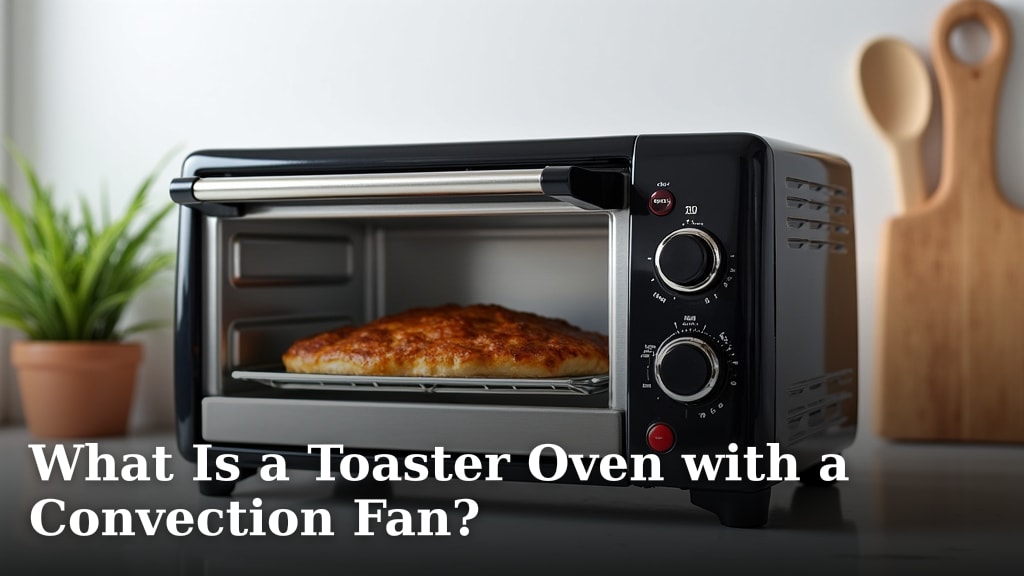
A toaster oven with a convection fan is a countertop oven that uses a fan to circulate hot air. This helps food cook faster and more evenly than in a traditional toaster oven. It’s a versatile kitchen appliance that can toast, bake, roast, and broil.
Think of it as a mini version of your big oven, but with an extra boost from the fan. This fan technology means you can achieve crispier results for things like roasted vegetables or chicken. Many users find it a great addition for quick meals and smaller baking projects, reducing the need to heat up a full-sized oven.
- It’s a small oven.
- A fan moves hot air around.
- Cooks food faster and more evenly.
- Great for toasting, baking, and roasting.
- Can make food crispier.
Let’s look at what makes a convection toaster oven special and how you can use its features to your advantage in the kitchen.
Understanding Your Convection Toaster Oven
A toaster oven with a convection fan is a countertop appliance that brings the power of a full-size oven into a smaller, more convenient package. Its main difference lies in the built-in fan. This fan actively circulates hot air throughout the oven cavity. This process is key to how it cooks food more efficiently.
Think of it like a gentle, consistent breeze of heat. Unlike a regular toaster oven that relies on radiant heat from heating elements, convection ensures that heat reaches all sides of your food. We found that this even heat distribution is what makes the difference in cooking quality and speed.
How the Convection Fan Works Its Magic
The convection fan works by pushing the hot air produced by the heating elements around the oven. In a traditional oven, hot air naturally rises, creating cooler spots and hotter spots. The fan’s job is to mix that air constantly. This results in a more uniform temperature inside the oven.
This consistent temperature is great for cooking. It means your food cooks more evenly without you having to turn it halfway through. For example, when you’re roasting vegetables, the fan helps them get that delicious crispy edge all around. It’s a simple concept, but very effective.
The Core Functions: More Than Just Toasting
While it’s called a toaster oven, its capabilities extend far beyond just browning bread. You can use a convection toaster oven for a variety of cooking tasks that might otherwise require your large oven.
Toasting
Yes, it excels at toasting! The fan can help toast bread evenly on both sides. You can achieve your perfect shade without burnt edges or pale centers. Many models allow you to adjust the darkness level.
Baking
Smaller baking projects are where this appliance truly shines. Think cookies, muffins, or a small cake. The convection fan helps cakes bake evenly and prevents them from sinking in the middle. You might find your baked goods have a nicer crust with convection baking.
Roasting
Roasting meats and vegetables is another strong suit. The circulating hot air helps to sear the outside while keeping the inside moist. Chicken pieces, small roasts, or a pan of broccoli can all turn out wonderfully crisp and tender. Many people report that roasted items cook about 25% faster with convection (U.S. Department of Energy).
Broiling
Many convection toaster ovens also include a broil function. This uses intense, direct heat from the top element. It’s perfect for finishing dishes, melting cheese, or cooking items that need a quick, high-heat blast. The fan can help prevent scorching by keeping the air moving.
Benefits of a Convection Fan in Your Toaster Oven
Adding a convection fan to a toaster oven brings several advantages that make it a very practical kitchen tool. These benefits often translate into a more enjoyable cooking experience and better results.
Faster Cooking Times
One of the most noticeable benefits is the reduction in cooking time. Because the hot air is constantly moving, it transfers heat to your food more rapidly. We found that many recipes can be completed up to 25% faster than in a conventional oven (U.S. Department of Energy).
This speed is incredibly useful on busy weeknights when you need dinner on the table quickly. You can get those roasted potatoes done in under 30 minutes. It’s a real time-saver for everyday meals.
More Even Cooking and Browning
The consistent temperature provided by the convection fan leads to more uniform cooking. Hot spots, which can be a problem in regular ovens, are minimized. This means your food is less likely to have undercooked or overcooked areas.
For baked goods like cookies, this means they all bake to the same golden-brown perfection. Roasted vegetables will have that delightful crispiness on all sides. You get a more professional finish at home.
Improved Texture and Crispy Results
That consistent hot air is also fantastic for achieving crispy textures. The fan helps to dry out the surface of food slightly as it cooks. This promotes browning and creates a satisfying crunch. Think of how much better your roasted chicken skin is with convection!
This is especially true for items like fries, roasted Brussels sprouts, or even reheating pizza. Instead of a soggy outcome, you can get a wonderfully crisp texture that mimics deep-frying, but with less oil.
Energy Efficiency for Smaller Tasks
Heating up a large, full-size oven for a small batch of cookies or a single chicken breast can be quite wasteful. A convection toaster oven uses less energy because it’s smaller and heats up faster. This makes it a more eco-friendly and cost-effective choice for many cooking needs.
The U.S. Department of Energy suggests that using a convection oven can save energy compared to a conventional oven. While they refer to full-size ovens, the principle applies: smaller spaces heat more efficiently. You’re not heating a cavernous space just for a small meal.
Comparing Convection vs. Standard Toaster Ovens
Understanding the difference between a convection toaster oven and a standard one helps you appreciate its unique capabilities. The presence of that fan is the game-changer.
| Feature | Standard Toaster Oven | Convection Toaster Oven |
|---|---|---|
| Heat Distribution | Relies on radiant heat from elements; can have hot/cool spots. | Uses a fan to circulate hot air for even heating. |
| Cooking Speed | Standard cooking times. | Food cooks up to 25% faster. |
| Food Texture | Good for toasting and basic baking. | Excellent for crispy results, even browning. |
| Energy Use | Moderate for its size. | Generally more energy-efficient for smaller tasks. |
| Best For | Simple toasting, reheating small portions. | Baking, roasting, broiling, achieving crispier food. |
When to Choose Convection for Your Cooking
So, when is that convection fan really your best friend? It’s when you want to achieve superior results in terms of texture and evenness. If you’re looking for that perfect golden crust on your roast chicken or evenly baked cookies without burnt edges, convection is the way to go.
It’s also the preferred setting for tasks where crispness is key. Think roasted vegetables or crispy chicken wings. If you’re aiming for a professional-looking and tasting meal with less effort, enabling the convection setting is a smart move.
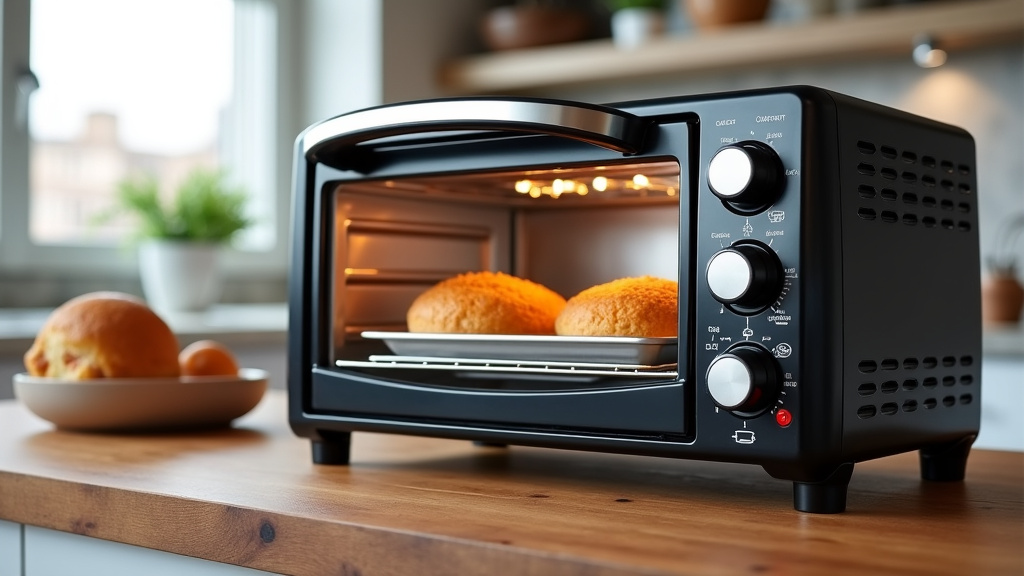
Practical Tips for Using Your Convection Toaster Oven
To get the most out of your convection toaster oven, a few simple adjustments can make a big difference. It’s about understanding how the fan changes the cooking dynamics.
Adjusting Recipes for Convection
Because convection cooks faster and more evenly, you’ll often need to make slight modifications to your recipes. The general rule of thumb is to reduce the cooking temperature by about 25°F (around 15°C) or reduce the cooking time by about 25%.
For example, if a recipe calls for baking cookies at 350°F (175°C) for 10-12 minutes in a conventional oven, you might try 325°F (160°C) for 8-10 minutes in your convection toaster oven. Always keep an eye on your food the first few times you use it for a new recipe. This helps you learn your oven’s quirks.
Using the Right Cookware
Most standard oven-safe bakeware will work fine in a convection toaster oven. However, be mindful of the materials. Darker pans absorb more heat and can sometimes lead to over-browning, especially with convection.
Lighter colored metal pans or glass dishes tend to be a safer bet for even cooking. Avoid using plastic or non-heat-safe materials, of course. Always check your oven’s manual for specific recommendations on cookware.
When to Skip the Convection Setting
While convection is often fantastic, there are times when it’s better to stick to traditional heating. For delicate baked goods like soufflés or custards that require a very gentle, undisturbed heat, the fan might cause them to rise unevenly or collapse. Recipes that rely heavily on a specific rise from top heat, like some meringue pies, might also be better off without convection.
Also, if your recipe explicitly states to avoid convection, it’s usually for a good reason. Trust the recipe creator, especially if they’ve tested it in a conventional oven. When in doubt, start with the conventional setting and then consider switching to convection if you want to speed things up or crisp things up later in the cooking process.
Here’s a quick rundown to help you decide:
- Use convection for crispy roasted vegetables.
- Opt for convection when baking cookies and muffins.
- Convection is great for browning meats.
- Consider traditional heat for delicate cakes or soufflés.
- If a recipe specifies, follow its instructions.
- Experiment to find what works best in your oven.
Conclusion
You’ve learned that a convection toaster oven is a powerful and versatile kitchen tool. Its fan technology cooks food faster and more evenly, leading to better textures and crispier results. From toasting and baking to roasting and broiling, it handles many tasks efficiently. For smaller cooking jobs, it’s often more energy-friendly than a full-sized oven. We found that understanding how to adjust recipes for convection can make all the difference. Now that you know its benefits and how to use it, you’re ready to make delicious meals with ease.
Frequently Asked Questions
Will a convection toaster oven make my food taste different?
Yes, it can! The circulating hot air helps food cook more evenly and can create a crispier exterior. This means roasted vegetables might be crunchier, and baked goods could have a more uniform golden-brown finish. It generally enhances texture rather than altering the fundamental taste of your food.
Can I use my regular baking pans in a convection toaster oven?
Generally, yes, you can use most standard oven-safe bakeware. However, it’s a good idea to pay attention to pan color. Darker pans absorb more heat and might cause over-browning in a convection oven, especially with the faster cooking times. Lighter metal or glass pans usually provide more even results.
Do I always have to use the convection setting?
Not necessarily. While the convection fan offers many advantages, some delicate items like soufflés or custards might benefit from traditional, still heat. If a recipe specifically advises against convection, it’s best to follow those instructions for the intended outcome.
How much faster does food cook in a convection toaster oven?
Research suggests food can cook up to 25% faster in a convection oven compared to a conventional one. This is because the fan circulates heat more efficiently, transferring it to your food more quickly. You might need to adjust recipes by reducing temperature or cooking time.
Is a convection toaster oven worth the extra cost?
For many home cooks, it is. If you frequently bake, roast, or want crispier results, the improved cooking speed and evenness can be very beneficial. It can also save energy for smaller tasks by avoiding heating a large oven, making it a practical choice for everyday use.