Is It Better to Use a Toaster Oven or an Oven?
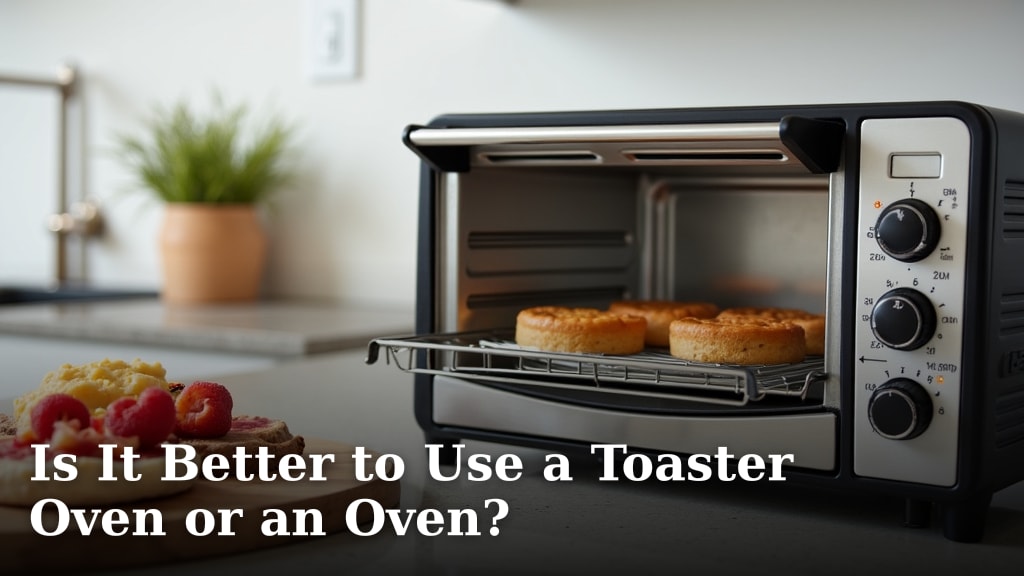
Deciding whether to use a toaster oven or a conventional oven depends on your cooking needs. For smaller tasks like toasting, reheating leftovers, or cooking single servings, a toaster oven is often the more efficient choice. It heats up faster and uses less energy than a full-sized oven.
Think of your toaster oven as your kitchen’s helpful sidekick. It’s perfect for quick meals and snacks when you don’t want to fire up the big appliance. While a large oven is great for holiday roasts, a toaster oven excels at everyday convenience and energy savings for smaller jobs.
- Toaster ovens are best for small portions and quick cooking.
- Conventional ovens are better for large meals and batch baking.
- Toaster ovens heat up faster and use less energy.
- Conventional ovens offer more space and consistent heat distribution for big items.
Let’s take a closer look at how each appliance stacks up so you can figure out which one is the best fit for your kitchen.
Toaster Oven vs. Oven: Which Kitchen Workhorse Fits Your Needs?
Choosing between a toaster oven and a conventional oven is a common kitchen dilemma. Both appliances have their strengths. We’ve researched how they stack up to help you decide. Your cooking style and kitchen space will be the deciding factors. Let’s break down their capabilities.
Understanding the Toaster Oven’s Strengths
Toaster ovens are masters of small-scale cooking. They excel at tasks that don’t require a large oven. Think about your daily cooking habits. Do you often make just one or two servings? A toaster oven is likely a perfect fit for you.
Speed and Energy Efficiency
One of the biggest advantages of a toaster oven is its quick heat-up time. Because it’s smaller, it doesn’t need as much energy to reach your desired temperature. This can save you time and money on your electricity bill. We found that many toaster ovens are ready to cook in just a few minutes. This is much faster than a full-sized oven, which can take 10-15 minutes or more to preheat.
Perfect for Snacking and Quick Meals
You can use your toaster oven for a variety of quick tasks. It’s ideal for toasting bread, bagels, and waffles. It’s also great for reheating leftovers without making them soggy like a microwave can. Small pizzas, baked potatoes, or a single chicken breast cook wonderfully in a toaster oven. It’s like having a miniature, dedicated oven for these everyday jobs.
Versatile Cooking Functions
Don’t let the “toaster” in its name fool you. Most modern toaster ovens can do much more than just toast. They often include bake, broil, and convection settings. This makes them surprisingly versatile for their size. You can bake cookies, broil fish, or even roast small vegetables. Some even come with special accessories like rotisseries or pizza stones.
Space-Saving Design
For those with limited kitchen space, a toaster oven is a dream. They are typically compact and portable. You can place them on your countertop and move them easily if needed. This is a huge benefit compared to a built-in or freestanding conventional oven that takes up permanent real estate.
The Conventional Oven’s Domain
A conventional oven is your go-to appliance for larger cooking projects. It’s the workhorse of the kitchen when you need to prepare more food at once. Think holiday dinners, batch baking, or cooking large roasts.
Capacity for Big Batches
The most obvious advantage of a conventional oven is its generous interior space. You can easily fit multiple baking sheets, large roasting pans, or a big turkey. This makes it essential for families or anyone who entertains guests frequently. Baking a dozen cookies or preparing a multi-dish meal is far more manageable in a larger oven.
Consistent Heat Distribution
Conventional ovens are designed for even heat distribution, especially those with convection fans. This ensures your food cooks uniformly from edge to edge. This consistency is vital for delicate tasks like cake baking or roasting large cuts of meat. While toaster ovens can be uneven, a good conventional oven provides reliable results every time for bigger items.
Handling Large Roasts and Pies
When it comes to holiday feasts, the conventional oven reigns supreme. Roasting a large turkey or ham requires the depth and space only a conventional oven can provide. Similarly, baking multiple pies or casseroles for a potluck is easily accomplished. You can cook different dishes at different temperatures simultaneously if you have multiple racks.
Advanced Cooking Features
Many conventional ovens come equipped with advanced cooking technologies. These can include precise temperature controls, self-cleaning cycles, and specialized modes for different types of cooking. Some offer steam cooking or proofing settings for bread. These features often go beyond what you’d find in a standard toaster oven.
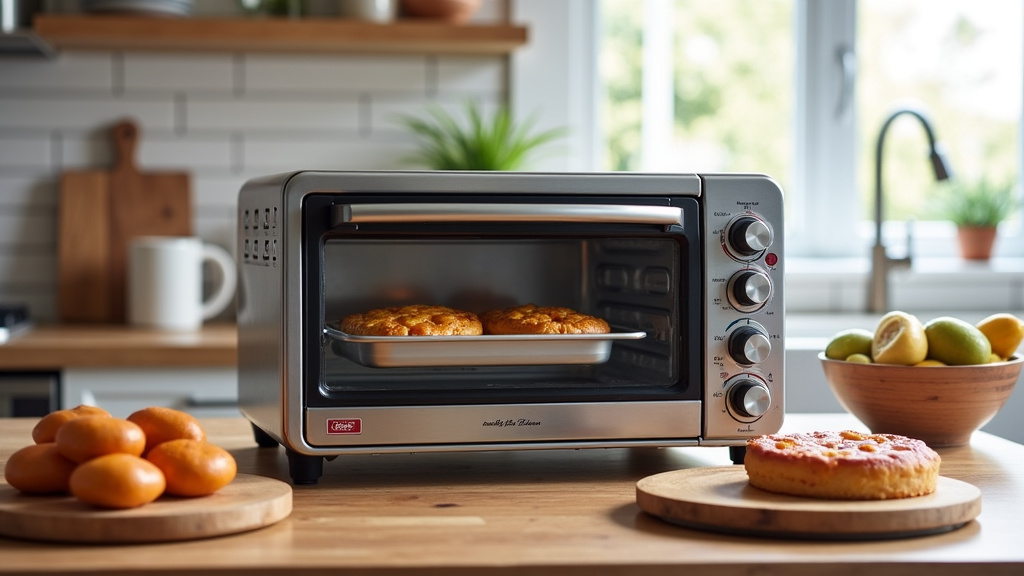
Making Your Decision: Key Comparison Points
Let’s summarize the main differences to help you choose. Consider your typical cooking needs and available space.
| Feature | Toaster Oven | Conventional Oven |
|---|---|---|
| Best For | Small portions, quick meals, reheating, toasting | Large meals, batch baking, big roasts, multiple dishes |
| Speed | Heats up very quickly (minutes) | Slower to preheat (10-15+ minutes) |
| Energy Use | Uses less energy for small tasks | Uses more energy, especially for long cook times |
| Space | Compact, countertop-friendly | Larger, often built-in or freestanding |
| Versatility | Good for many small-scale baking/broiling tasks | Handles all types of cooking, from delicate to heavy-duty |
Energy Consumption and Cost Savings
Research indicates that using a toaster oven for small jobs can lead to significant energy savings. For example, reheating a plate of food or baking a single muffin in a toaster oven uses considerably less electricity than heating up a large conventional oven. The U.S. Department of Energy suggests that smaller appliances often use less energy for smaller tasks. This can translate into lower utility bills over time. Think of it as using the right tool for the job – don’t fire up the furnace to light a candle!
Cooking Results: What to Expect
For toasting and browning, a toaster oven is often superior. It can achieve that perfect crispness quickly. When it comes to baking cakes or cookies, a well-calibrated conventional oven generally provides more consistent results due to its larger size and more stable temperature. However, many modern toaster ovens with convection features come very close. We found that for single servings or small batches, a toaster oven can deliver delicious outcomes without the waste of heating a large oven.
Checklist: Which Appliance is Right for You?
Ask yourself these questions to help guide your choice:
- Do you mostly cook for one or two people?
- Do you frequently toast bread or bagels?
- Is counter space a major concern in your kitchen?
- Do you often reheat leftovers for lunch?
- Do you bake large batches of cookies or multiple pies regularly?
- Do you prepare large roasts or holiday meals for many people?
If you answered “yes” to the first four questions, a toaster oven might be your perfect kitchen companion. If the last two questions resonate more with your cooking style, a conventional oven is likely the better primary choice. Many households find that having both offers the ultimate flexibility.
Conclusion
You’ve learned that a toaster oven and a conventional oven serve different, yet important, kitchen roles. For your daily, smaller tasks like toasting, reheating, or cooking single servings, a toaster oven offers speed and energy savings. It’s your kitchen’s efficient sidekick. When you need to feed a crowd, bake in batches, or roast a big turkey, your conventional oven is the undisputed champion, providing the space and consistent heat you need. Consider your most frequent cooking habits and kitchen space to make the right choice for your needs.
Frequently Asked Questions
Can a toaster oven replace my regular oven?
For many households, especially those with limited space or who cook for one or two people, a toaster oven can handle most daily cooking tasks. However, if you frequently bake large items, cook for a crowd, or need consistent, even heat for delicate recipes, a conventional oven is still superior.
Are toaster ovens more energy-efficient than regular ovens?
Yes, for smaller cooking tasks, toaster ovens are generally more energy-efficient. Their smaller size means they require less energy to heat up and maintain temperature compared to a full-sized oven. This can lead to noticeable savings on your electricity bill over time.
What types of food are best cooked in a toaster oven?
Toaster ovens excel at toasting bread and bagels, reheating leftovers (keeping them crispier than a microwave), baking small items like cookies or muffins, roasting small vegetables, and cooking single servings of chicken or fish. Think quick meals and snacks.
How does a toaster oven’s cooking result compare to a conventional oven?
For toasting and achieving crisp textures, toaster ovens often perform exceptionally well. For larger, more involved baking projects where uniform heat is critical, a conventional oven typically provides more consistent results. However, modern toaster ovens with convection features are closing this gap for many recipes.
Is a toaster oven good for baking?
Yes, many toaster ovens include bake and convection settings that make them quite capable for baking. They are ideal for small batches of cookies, a few muffins, or a small cake. Just be mindful of their smaller capacity and potentially slightly less even heat distribution compared to a full-sized oven.