Toaster Oven vs Wall Oven: What You Should Know
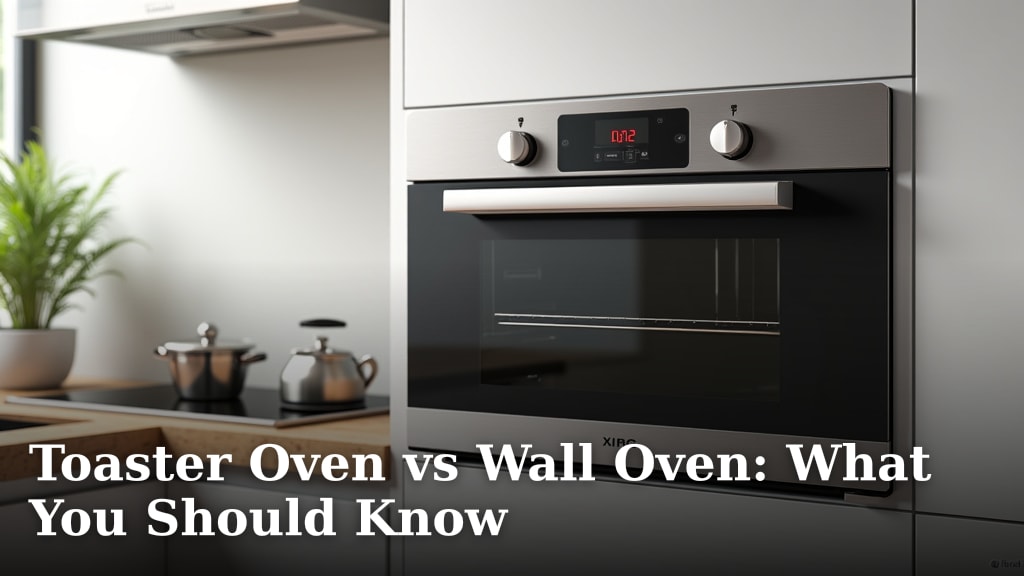
Choosing between a toaster oven and a wall oven depends mostly on your kitchen space and cooking needs. A toaster oven is a compact, countertop appliance great for quick meals and small batches. A wall oven is a built-in unit, offering more space and cooking power for larger dishes and families. Think about your typical meals and how much room you have.
Both ovens can toast, bake, and broil, but they differ greatly in size, installation, and energy use. While a toaster oven is perfect for reheating leftovers or making toast, a wall oven handles everything from holiday roasts to multiple trays of cookies. We found that understanding these key differences helps shoppers make the right choice for their homes.
- Toaster ovens are small and portable.
- Wall ovens are built-in and spacious.
- Toaster ovens are good for quick snacks and small meals.
- Wall ovens are better for larger families and serious cooking.
- Your kitchen layout and cooking style are key factors.
Let’s walk through exactly what you should know about each to help you decide which oven is the best fit for your kitchen.
Toaster Oven vs. Wall Oven: Making the Right Choice for Your Kitchen
So, you’re weighing your options between a toaster oven and a wall oven. It’s a common kitchen dilemma! We’ve researched both to help you figure out which one fits your cooking style and your home best. Think of it this way: a toaster oven is like a helpful sous chef on your counter, while a wall oven is the main chef in its own dedicated space.
Understanding the Toaster Oven
A toaster oven is a small, versatile appliance that sits right on your kitchen counter. It’s designed for convenience and handles a surprising variety of cooking tasks. Its name hints at its most basic function: toasting bread to golden perfection. But most modern toaster ovens do much more than just toast.
What Can a Toaster Oven Do?
You might be surprised by its capabilities. Beyond toasting, many can bake small pizzas, roast vegetables, broil chicken wings, and reheat leftovers. They are perfect for single servings or small batches. If you live alone or as a couple, or if your family mostly eats separate meals, a toaster oven can be a real workhorse.
We found that they heat up very quickly, often much faster than a full-sized oven. This means less waiting time for your food. It’s like having a mini-oven ready to go whenever you need it. Many users appreciate that they don’t have to preheat a large appliance for a small task.
Size and Space Considerations for Toaster Ovens
The biggest advantage of a toaster oven is its compact size. It fits easily on most countertops, taking up minimal space. This makes it an excellent choice for apartments, dorm rooms, or kitchens with limited counter space. You can also find models that are highly portable, meaning you can move it to a pantry or a different room if needed.
However, its small size also means limitations. You can’t fit a large turkey or multiple baking sheets inside. If you love to bake for holidays or regularly cook for a crowd, a toaster oven alone won’t cut it.
Energy Efficiency of Toaster Ovens
Many people choose toaster ovens because they are more energy-efficient for smaller cooking jobs. Heating up a small space uses less electricity than heating a large wall oven. This can translate to lower energy bills, especially if you use your oven frequently for small tasks.
Research suggests that for tasks like toasting bread, heating a slice of pizza, or baking a few cookies, a toaster oven uses significantly less energy than a conventional oven. This is a great benefit for both your wallet and the environment.
Exploring the Wall Oven
A wall oven is a built-in appliance, typically installed within your kitchen cabinetry. Unlike a freestanding range, a wall oven is part of the kitchen’s structure. This means it’s a more permanent fixture and requires professional installation. It’s the heart of the kitchen for many home cooks.
Capacity and Cooking Power of Wall Ovens
The primary advantage of a wall oven is its generous capacity. They are designed to accommodate large dishes, multiple baking pans, and even whole roasts. If you often entertain, bake large batches of cookies, or cook large family meals, a wall oven offers the space you need.
Many wall ovens also come with advanced features and cooking modes. These can include convection cooking, which uses a fan to circulate hot air for faster, more even baking. You’ll also find precise temperature controls and various rack positions to handle all sorts of culinary challenges.
Installation and Kitchen Integration for Wall Ovens
Installing a wall oven is a different ballgame than plugging in a toaster oven. It involves integrating the unit into your cabinetry, often requiring electrical work. This makes it a long-term commitment to your kitchen design. Most people opt for professional installation to ensure safety and proper function.
Wall ovens contribute to a cleaner, more streamlined kitchen aesthetic. Since they are built into the wall, they don’t take up valuable counter space. This can make your kitchen feel more open and organized. The decision to install a wall oven is usually part of a larger kitchen renovation or new build.
Energy Consumption of Wall Ovens
Generally speaking, wall ovens consume more energy than toaster ovens. This is due to their larger size and higher heating requirements. However, modern wall ovens have become much more energy-efficient over the years. Many models are ENERGY STAR certified, indicating they meet strict energy efficiency guidelines set by the EPA.
While they use more power, they are designed for larger tasks. Baking a dozen muffins or roasting a chicken is what they are built for. For these larger jobs, their energy use per item cooked might be comparable or even better than trying to do multiple batches in a toaster oven.
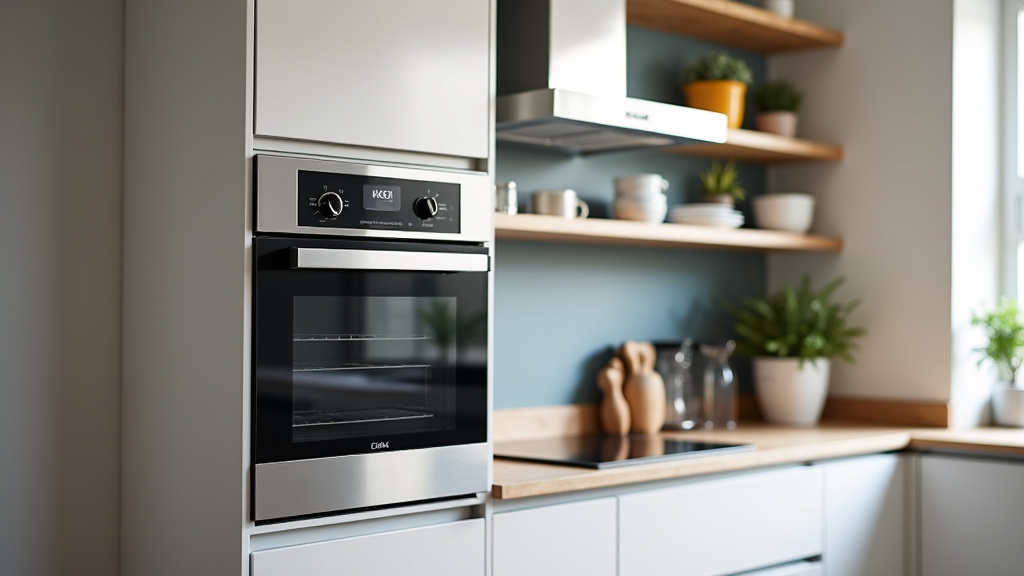
Key Differences at a Glance
Let’s break down the main differences you’ll encounter. This comparison table should make it easier to see where each appliance shines.
| Feature | Toaster Oven | Wall Oven |
|---|---|---|
| Size & Capacity | Compact, countertop; limited space for small meals/batches. | Built-in, spacious; can handle large dishes and multiple pans. |
| Installation | Portable, plug-and-play. | Permanent installation, often requires professional electrical work. |
| Counter Space | Takes up counter space. | Frees up counter space. |
| Energy Use | More energy-efficient for small tasks. | Uses more energy overall, but efficient for large tasks. |
| Heating Speed | Heats up very quickly. | Slower preheat time. |
| Versatility | Good for toasting, reheating, small bakes/roasts. | Handles all cooking tasks, from delicate baking to large roasts. |
| Cost | Generally much lower initial cost. | Higher initial cost and installation fees. |
When is a Toaster Oven the Right Fit?
You should consider a toaster oven if:
- You have limited kitchen space.
- You live alone or with one other person.
- Your cooking needs are mostly for small meals and snacks.
- You want an oven that heats up very quickly.
- You’re looking for a budget-friendly kitchen appliance.
- You need an oven that’s easy to move or store.
When is a Wall Oven the Right Fit?
A wall oven might be your better choice if:
- You have a larger family or frequently cook for guests.
- You enjoy baking and roasting on a larger scale.
- You want to maximize counter space for other uses.
- You are renovating your kitchen or building a new home.
- You desire a more integrated and polished kitchen look.
- You need the power and capacity for holiday meals or special occasions.
Making Your Final Decision: A Quick Checklist
To help solidify your choice, think about these points:
- How much counter space do you have available?
- How many people do you typically cook for?
- What are your most frequent cooking tasks? (e.g., toasting, baking cookies, roasting a turkey)
- What is your budget for a new appliance?
- Are you planning a kitchen renovation or looking for a standalone appliance?
- How important is energy efficiency for small tasks versus overall capacity?
Conclusion
Choosing between a toaster oven and a wall oven boils down to your kitchen’s practical needs and your personal cooking habits. A toaster oven offers quick convenience and energy savings for smaller tasks. It’s your go-to for snacks and solo meals. A wall oven provides the robust capacity and power for larger gatherings and ambitious baking projects. It becomes the central hub for serious home chefs. We found that matching the appliance to your typical meal size and kitchen space is key. Take a moment to review your daily cooking routine and your kitchen layout. Then, you’ll know which oven will truly serve you best.
Frequently Asked Questions
Can a toaster oven replace a wall oven entirely?
For most people, a toaster oven cannot entirely replace a wall oven. While versatile for small tasks like toasting, reheating, or baking small batches, its limited capacity prevents it from handling large meals like holiday roasts or multiple trays of cookies. A wall oven is necessary for these bigger cooking jobs.
Which type of oven is better for energy efficiency?
For small, quick cooking tasks, a toaster oven is generally more energy-efficient. It uses less electricity because it heats a smaller space. However, for larger cooking jobs, a modern, efficient wall oven might use energy comparable to or better than trying to cook multiple batches in a toaster oven.
Do I need professional installation for a toaster oven?
No, a toaster oven does not require professional installation. It’s a countertop appliance that you simply plug into a standard electrical outlet. This makes it easy to set up and use right away, and you can move it if needed.
What is the main difference in capacity between the two?
The primary difference is capacity. A toaster oven is compact and suitable for one or two servings or small items like a small pizza. A wall oven is much larger, designed to fit multiple baking pans, large casseroles, or even a whole turkey, making it ideal for family-sized meals and entertaining.
Which oven is better for saving counter space?
A wall oven is much better for saving counter space. Since it’s built into your cabinetry, it doesn’t take up any room on your countertops. In contrast, a toaster oven sits directly on the counter, occupying a dedicated space.