Can You Put Aluminum Foil in a Toaster?
No, you should not put aluminum foil in a slot toaster. Foil can touch heating elements, create sparks, trap heat, and increase the risk of burns, electric shock, or fire.
On this page (8 sections)
- Why is aluminum foil unsafe in a toaster?
- What happens if foil touches the heating elements?
- Can foil cause an electric shock?
- What should you use instead of foil in a slot toaster?
- Which toasters suit everyday food without foil?
- What if foil is already inside the toaster?
- How can you prevent toaster fires?
- Is aluminum foil ever appropriate near a toaster?
No, you should not put aluminum foil in a slot toaster. Foil creates risks that are easy to miss in a busy kitchen.
Foil can touch heating elements, create sparks, trap heat, and raise the risk of burns, electric shock, or fire. Those risks apply to every brand and model, whether the foil is new or reused.
A slot toaster is designed for bread and similar foods placed directly into its openings. Bread, bagels, and pastries are meant to sit between heating surfaces where heat can reach each side evenly.
Aluminum foil changes that setup by adding conductive metal inside a small electrical appliance. Even a loose edge can contact a hot element or another metal part, especially once the carriage moves down.
That contact can short electrical parts, damage a heating element, or make the foil extremely hot in seconds. A torn piece can stay lodged inside and create a later problem.
Foil can also trap heat around food instead of letting it brown normally. Moisture from frozen food or a soft filling makes the risk worse, because the foil holds heat tight against the item.
A slot toaster gives foil very little safe space. The walls are close, the element is near, and the food has nowhere to shift without pressing outward.
Using foil to make food fit, hold a slice in place, or stop crumbs is not a safe workaround. Choose food that fits the slot on its own, or move the recipe to an appliance built for trays.
This matters most when you are rushed or warming something never meant for a slot. Taking a minute to use the right appliance keeps breakfast simple and safer.
Why is aluminum foil unsafe in a toaster?
Aluminum foil can spark, overheat, or interfere with the toaster's electrical parts. The danger depends on where the foil touches, how tightly it wraps the food, and whether it shifts during the cycle.
Foil can reflect and hold heat close to the food. It can also touch heating wires, short electrical contacts, or create a path for current where the toaster was not designed to have one.
Possible problems include:
- Sparks or flashes inside the slots
- Smoke, scorching, or a burning smell
- Foil melting or sticking to a hot surface
- Damage to heating elements or wiring
- Electric shock when someone reaches into the toaster
- A fire if nearby crumbs or packaging ignite
The U.S. Consumer Product Safety Commission's toaster safety guidance advises keeping metal objects out of toasters and unplugging the appliance before removing stuck items.
What happens if foil touches the heating elements?
Foil that touches a heating element can become extremely hot and may cause sparks or damage. A heating element glows during a toast cycle, so contact with metal is not the same as placing foil on a cool countertop.
A foil edge may also shift when the carriage moves or when the food expands. If the foil tears, a small piece can remain inside the toaster and create a later problem.
Never use foil to hold down a thin slice of bread or stop food from moving. If the food is too small, loose, or misshapen for the slots, use another appliance.
Can foil cause an electric shock?
Yes, foil can increase shock risk if it contacts energized parts or if you try to remove it while the toaster is plugged in. The risk is especially serious when a person uses a fork, knife, or other metal object to pull it out.
Unplug the toaster before handling any stuck food or material. Wait for it to cool, keep water away from the appliance, and do not reach into a slot with your fingers.
If the foil has melted, burned, or become lodged near the heating elements, do not keep using the toaster. Damage may not be visible from above.
What should you use instead of foil in a slot toaster?
Use the toaster without foil for foods that fit its slots, and choose a toaster oven when a recipe needs a foil lining or wrap. The right appliance depends on the food and the amount of protection or space it needs.
For regular bread, bagels, pastries, waffles, and similar items, place the food directly in clean slots. Check that the food does not contain loose fillings, coatings, or packaging that could drip or catch.
A toaster oven gives you a tray and more open space for foods that should not go into narrow slots. Read the appliance manual before using foil, and keep it away from heating elements and vents.
If you are comparing the two appliances for everyday cooking, Is It Better to Use a Toaster Oven or an Oven? explains where each one fits.
Which toasters suit everyday food without foil?
A toaster with extra-wide slots and clear controls can handle more bread shapes without wrapping them in metal. The key is to match the food to the slot and use the appliance's built-in settings.
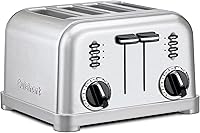
The Cuisinart Toaster has 4 slots, 1.5 in extra-wide openings, 6 browning settings, and buttons for bagel, defrost, reheat, and cancel. Its stainless steel body also includes a high-lift lever and a slide-out crumb tray.
Choose it if you regularly toast different types of bread and want 4 slots. Its 4-slice layout takes more counter space than a 2-slice toaster, so measure your available area first.
For broader toaster features and bread-size guidance, see Slot Toasters: The Complete Buying Guide.
Is a 2-slice toaster enough for thick foods?
A 2-slice toaster can work well if you usually toast a small number of items and need extra-wide slots. Thick food should fit loosely enough to lower and rise without being forced into the opening.
The BLACK+DECKER 2-Slice Toaster with Extra-Wide Slots has 6 shade settings, a cancel button, a removable crumb tray, and slots for bagels, thick artisan bread, waffles, and English muffins.
Choose it for a compact countertop setup and simple 2-slice batches. Skip foil as a way to make food fit, because a tight wrap can press against the heating area.
People choosing a toaster for easier controls may also want to compare Best Toasters for Seniors.
Does a clear toaster remove the need for foil?
No, a clear toaster does not make foil safe. A see-through window helps you watch browning, but it does not change the toaster's electrical parts or the risks of metal inside the slot.
The Dash Clear View Toaster has one 10 in long slot for 2 slices, 7 browning levels, and bagel, defrost, reheat, and cancel functions. It also has a removable glass panel, crumb tray, built-in cord storage, and automatic shut-off.
Choose it if you want to see the food while it browns or toast 2 slices in one long slot. Its 15.7 in width means it may need more side-to-side counter space than a shorter toaster.
For frozen breakfast foods, compare Best Toasters for Frozen Waffles before using foil as a workaround.
What if foil is already inside the toaster?
Unplug the toaster immediately and let it cool fully before checking it. Do not pull the foil out while the appliance is connected to power.
Once cool, remove only loose foil that you can reach safely without tools. Do not use a knife, fork, screwdriver, or other metal object, and do not pour water into the toaster.
Stop and replace the toaster if you see melted foil, black marks, damaged wires, a cracked casing, or persistent burning smells. If the appliance sparked or smoked, keep it unplugged rather than testing it again.
How can you prevent toaster fires?
Keep metal, packaging, crumbs, and unattended food out of the slots. Those habits prevent most everyday toaster problems before they start.
Empty the crumb tray as directed in the manual for your model. A full tray lets crumbs build up near heat, and that buildup can scorch, smoke, or catch fire during later cycles.
Keep the toaster on a stable, heat-safe surface away from the wall. A level counter gives the appliance room to vent, and it keeps heat from reaching cabinets, curtains, or other items not designed for it.
Unplug the toaster when the manual recommends it, and always unplug it before cleaning or reaching near the slots. That removes power while you handle crumbs, check the tray, or look for stuck food.
Do not cover the toaster while it is hot or running. Covering the top can trap heat and steam, block ventilation, and make the outside hotter than it should be.
Keep curtains, paper towels, plastic bags, and packaging away from the appliance during use. These items sit close enough to warm surfaces that a small spark or excess heat can reach them.
Use the cancel button if food browns too quickly or starts to smoke. Stopping the cycle early is safer than waiting to see whether the food will burn or the smell will clear.
Never force oversized food into a slot, and do not leave the toaster running while you leave the kitchen. Thick bread should lower and rise freely, and an unattended toaster can turn a small problem into a larger one.
Checking the slots, tray, surface, and surroundings before each use takes little time. That routine also makes it easier to spot damage, melted material, or buildup that needs attention before the next slice goes in.
Is aluminum foil ever appropriate near a toaster?
Foil may be appropriate in a toaster oven only when the manual permits it and the foil stays clear of heating elements and openings. A slot toaster does not provide the same tray space or clearance.
For either appliance, foil should not block vents or cover parts that need airflow. It should not touch heating elements, hang over edges, or create a path for grease and crumbs to collect.
The safest choice for a slot toaster is simple: keep aluminum foil out of the slots. Pick a toaster that fits the food directly, or move foil-wrapped recipes to an appliance designed for tray-based cooking.
Frequently asked questions
Can aluminum foil catch fire in a toaster?
Yes, aluminum foil can create sparks or become dangerously hot if it touches heating elements or other electrical parts. A toaster also concentrates heat in a narrow space, so foil can trap heat around food and increase the risk of scorching, melting, smoke, or fire.
Can you wrap toast in foil before putting it in a toaster?
No. Do not wrap bread, pastries, or other food in aluminum foil before placing them in a slot toaster.
Use the toaster for food that fits the slots without added metal, and use an oven or toaster oven when foil is needed for the recipe.
What should you do if foil is stuck in a toaster?
Unplug the toaster and let it cool completely before doing anything else. Do not reach into the slots while it is connected, and do not use a knife or other metal tool; replace the toaster if foil has damaged its wiring, heating elements, or controls.
Is aluminum foil safe in a toaster oven?
It may be safe in some toaster ovens when the manual allows it and the foil stays away from heating elements, walls, and vents. Never let foil cover the rack, crumb tray, or airflow openings, and follow the appliance instructions for the specific use.