How Is a Toaster Oven Different From an Air Fryer?
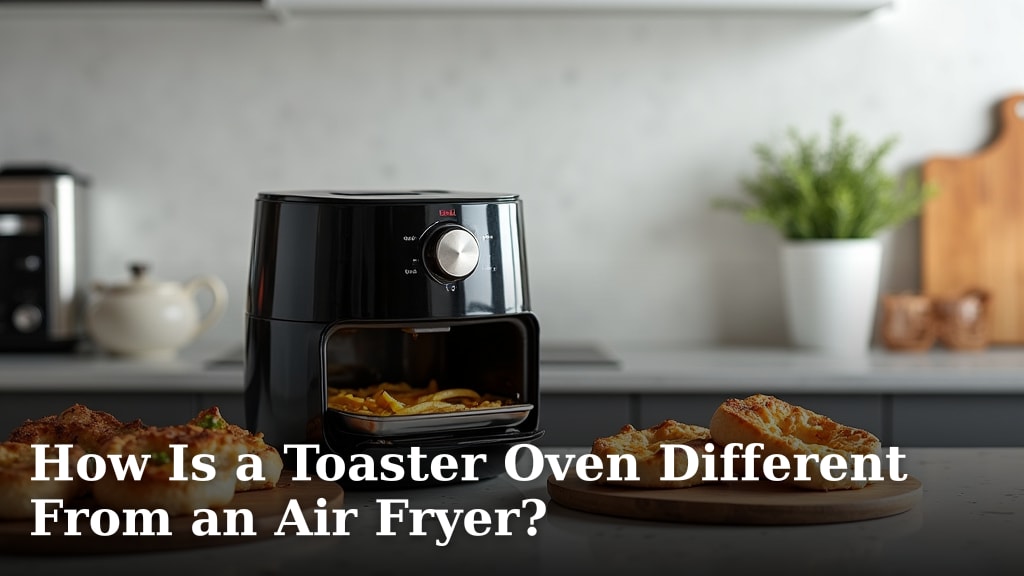
While both a toaster oven and an air fryer cook food, they do so in different ways. A toaster oven uses radiant heat, like a traditional oven, while an air fryer uses a powerful fan to circulate hot air. This makes them better suited for different cooking tasks.
Think of a toaster oven as a miniature version of your kitchen oven. It’s great for toasting bread, baking small items, and reheating leftovers. An air fryer, on the other hand, excels at making foods crispy and golden, like fries or chicken wings. We found that understanding their core heating methods helps you pick the right appliance.
- Toaster ovens use radiant heat, like a regular oven.
- Air fryers use a strong fan for circulating hot air.
- Toaster ovens are good for baking and toasting.
- Air fryers make food crispy and brown quickly.
Let’s break down exactly how these two popular kitchen gadgets differ so you can make the best choice for your needs.
Understanding the Differences: Toaster Oven vs. Air Fryer
You’re likely wondering about the core differences between a toaster oven and an air fryer. While they both live on your countertop, their cooking methods are quite distinct. We found that the biggest difference lies in how they generate heat and circulate it.
Heating Methods: Radiant Heat vs. Convection Fan
Your toaster oven works much like a smaller version of your main oven. It uses heating elements, usually quartz or metal rods, at the top and bottom. These elements glow red hot and emit radiant heat. This heat cooks your food from the outside in, much like sunlight warming your skin.
An air fryer, however, relies on a different principle. It has a heating element, typically at the back. The magic happens with a powerful fan that rapidly circulates that hot air around your food. This creates a convection effect that cooks food faster and can make it crispier.
How They Cook: Surface Heat vs. Circulating Air
Because a toaster oven uses radiant heat, it’s fantastic for tasks where you want direct heat exposure. Think of toasting bread – the elements directly toast the surface. Baking also works well because the heat is consistent and surrounds the food.
The high-speed circulating air in an air fryer is what gives it its signature crispiness. This intense convection cooks food quickly and browns the exterior. It’s like a mini, super-powered convection oven that focuses on creating that desirable crunch.
Key Functions and Best Uses for Each Appliance
Now that you understand the heating differences, let’s talk about what each appliance truly excels at. Knowing their strengths will help you decide which one, or if both, you need in your kitchen.
Toaster Oven: Your Versatile Countertop Oven
A toaster oven is incredibly versatile. Its primary function is, of course, toasting bread to your desired shade. But it does so much more than that.
Baking and Roasting: Small Batches Made Easy
You can easily bake a small batch of cookies or roast vegetables in your toaster oven. It’s perfect for when you don’t want to heat up your large kitchen oven for just a few servings. We found that smaller items tend to cook more evenly in a toaster oven than in a big oven.
Reheating Leftovers: Keeping Food Fresh
Reheating is another area where toaster ovens shine. Instead of a soggy microwave, a toaster oven can bring leftovers back to life. Pizza slices, for example, get their crust back. Many experts suggest using a toaster oven for reheating rather than a microwave for better texture (Cleveland Clinic).
Broiling: A Quick Sear
Most toaster ovens have a broil setting. This uses the top heating element at high heat. It’s great for quickly searing the top of a dish, like melting cheese on a casserole or giving a final touch to a baked potato.
Air Fryer: The King of Crispy and Quick Cooking
The air fryer’s main claim to fame is its ability to make foods wonderfully crispy. It achieves this through its powerful convection system.
Frying Without the Fryer: Healthier Options
You can achieve results similar to deep-frying with much less oil. Foods like french fries, onion rings, and chicken wings come out golden and crunchy. We found that using just a tablespoon of oil can give you that fried texture.
Roasting Small Items: Fast and Browned
While a toaster oven can roast, an air fryer often does it faster and with more browning. Small chicken pieces, vegetables, or even a small steak can be cooked quickly. The hot air circulates so effectively that you often get a lovely sear.
“Baking” in an Air Fryer: With Caveats
Some recipes claim you can bake cakes or muffins in an air fryer. While it’s possible, it’s not always ideal. The intense circulating air can sometimes dry out baked goods or cook the outside too quickly before the inside is done. You might need to adjust recipes, perhaps lowering the temperature or cooking time (Mayo Clinic).
Comparing Features: What to Look For
When you’re comparing these appliances, think about the features that matter most for your cooking habits. Both offer convenience, but in different ways.
Size and Capacity: How Much Can You Cook?
Toaster ovens come in a wide range of sizes. You can find compact models perfect for a single person or larger ones that can fit a small pizza. Air fryers also vary, but many popular models are designed for families and have a basket capacity.
Consider how many people you usually cook for. A small air fryer basket might only fit enough fries for one or two people. A toaster oven might let you fit a small casserole dish.
Cooking Presets and Controls: Ease of Use
Many modern toaster ovens and air fryers come with pre-programmed settings. These can be helpful for beginners. You might see presets for “toast,” “bagel,” “bake,” “roast,” or “air fry.”
Manual controls offer more flexibility. You can adjust the temperature and time precisely. We found that appliances with clear digital displays and simple dials are generally the easiest to operate.
Ease of Cleaning: A Practical Consideration
Cleaning is always a factor in kitchen appliances. Most toaster ovens have removable crumb trays, which is a big plus. The interior surfaces may need wiping down after use.
Air fryer baskets are often non-stick and dishwasher safe. This makes cleanup relatively quick. However, the heating element and fan area may require more careful cleaning to prevent grease buildup.
Which Appliance Is Right for You? A Quick Guide
Deciding between a toaster oven and an air fryer often comes down to your cooking style and what you want to achieve in the kitchen.
Choose a Toaster Oven If You:
- Toast bread or bagels regularly.
- Bake small batches of cookies, muffins, or pizzas.
- Prefer to reheat leftovers without them getting soggy.
- Want a countertop appliance that mimics your main oven.
- Appreciate versatility for toasting, baking, and broiling.
Choose an Air Fryer If You:
- Love crispy, fried-like textures.
- Want to cook healthier versions of fried foods.
- Cook smaller portions and want them done very quickly.
- Prioritize speed and browning for items like chicken wings or fries.
- Have limited space and want an appliance focused on crisping.
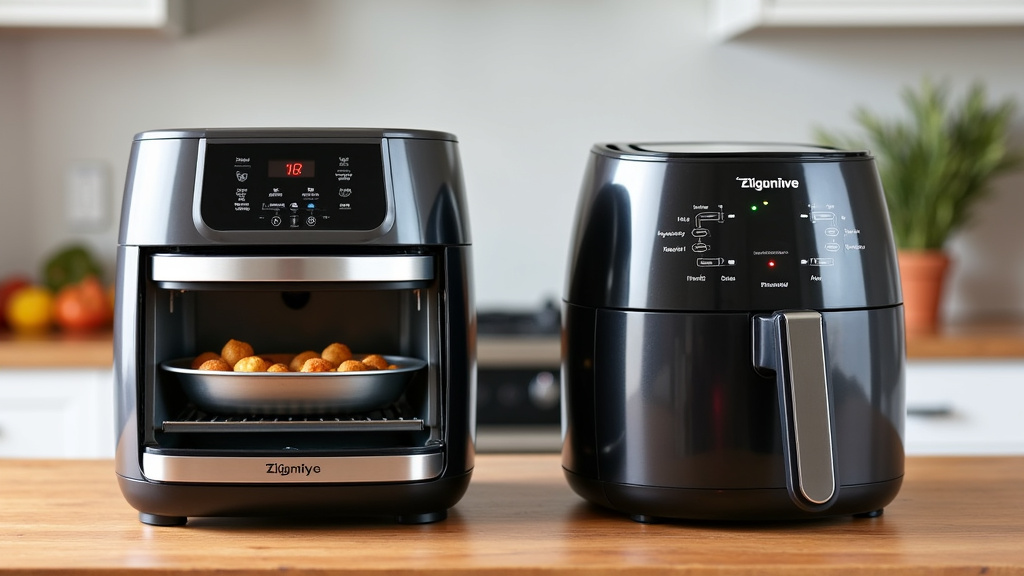
It’s also worth noting that many newer models are actually combination appliances, offering both toaster oven functions and air frying capabilities. These can be a great option if you want the best of both worlds, though they might come at a higher price point.
| Feature | Toaster Oven | Air Fryer |
|---|---|---|
| Primary Heating Method | Radiant heat from heating elements | Hot air circulated by a powerful fan |
| Best For | Toasting, baking, reheating, broiling | Crisping, fast roasting, “frying” with less oil |
| Texture Results | Even heating, browning, good for baked goods | Very crispy exterior, fast cooking |
| Typical Use Case | Small batch baking, breakfast prep, leftovers | French fries, chicken wings, crispy vegetables |
| Oil Usage | Standard for roasting/baking | Minimal to none for “frying” |
Ultimately, both appliances can be fantastic additions to your kitchen. Understanding their distinct cooking mechanisms and primary uses will help you make an informed decision. Consider your daily cooking needs and what kind of results you’re hoping to achieve.
Conclusion
You’ve learned that toaster ovens and air fryers are kitchen allies, each with distinct strengths. Your toaster oven is your go-to for even baking, toasting, and reheating, acting like a mini main oven. The air fryer excels at creating that irresistible crispy texture quickly, making it perfect for healthier “fried” foods. Consider your everyday cooking habits: do you crave crunch or need a versatile small oven? By understanding their core heating methods, you can confidently choose the appliance that best fits your kitchen needs and culinary goals.
Frequently Asked Questions
Can I use my air fryer to toast bread like a toaster oven?
While some air fryers can toast bread, it’s often not their specialty. You might find the results uneven or too fast compared to a toaster oven, which uses dedicated heating elements for perfect toast. For consistent toasting, a toaster oven is generally the better choice.
Will a toaster oven make my food as crispy as an air fryer?
Generally, no. An air fryer’s powerful fan circulates hot air intensely, creating a crispy exterior that a toaster oven’s radiant heat can’t quite replicate. While a toaster oven can brown food, it won’t achieve the same level of crunch.
Can I bake small cakes or muffins in an air fryer?
Yes, you can bake in an air fryer, but it requires adjustments. The intense circulating air can sometimes overcook the outside before the inside is done. You may need to lower the temperature or cooking time compared to traditional baking.
Is an air fryer better for reheating leftovers than a microwave?
For certain leftovers, an air fryer can be superior. It’s excellent for reheating items like pizza or fried chicken, restoring crispiness. For softer foods or dishes that don’t need a crunchy texture, a microwave might still be quicker and more convenient.
Do combination toaster oven/air fryer units work well?
Many combination units offer the benefits of both appliances. They can be a great space-saving solution if you want versatility. However, research specific models, as performance can vary, and they may come at a higher price point.