Is a Toaster Oven the Same as a Regular Oven?
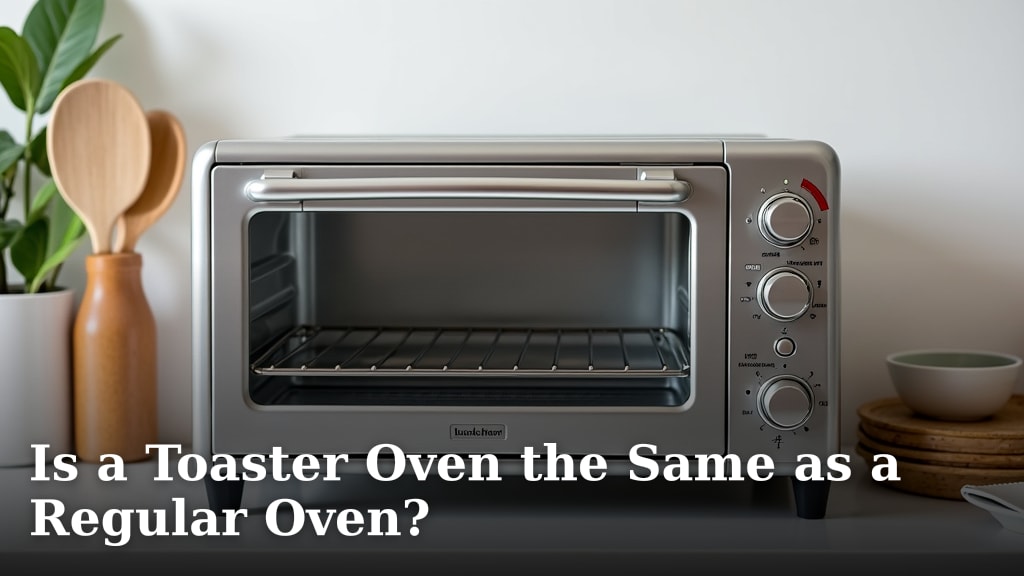
No, a toaster oven is not the same as a regular oven, though they share many functions. A toaster oven is a smaller, countertop appliance. A regular oven is typically built into your kitchen wall or under your stovetop. While both can bake and broil, toaster ovens often excel at toasting and reheating smaller portions of food quickly.
Think of a toaster oven as a handy, versatile kitchen sidekick. It’s great for quick snacks or when you only need to cook a small meal. Regular ovens are the workhorses for larger meals and baking elaborate dishes. Many people find having both offers the most cooking flexibility in their kitchen.
- Toaster ovens are smaller countertop units.
- Regular ovens are larger, built-in appliances.
- Both bake and broil, but toaster ovens are faster for small jobs.
- Toaster ovens are ideal for toasting and reheating.
- Regular ovens are better for large roasts and batch baking.
Below, we’ll break down the key differences and help you decide which appliance is right for your kitchen needs.
Toaster Oven vs. Regular Oven: What’s the Difference?
You might be wondering if a toaster oven is just a smaller version of your main oven. While they share some cooking functions, they are quite different appliances. Think of them as cousins, not twins. We’ve researched the key distinctions to help you understand their unique roles in your kitchen.
Understanding the Basics: Size and Placement
The most obvious difference is their size. A toaster oven sits right on your countertop. It’s designed to be a compact cooking solution. A regular oven is much larger. It’s usually built into your kitchen cabinetry. Sometimes, it’s located below your stovetop.
Countertop Convenience: The Toaster Oven
Toaster ovens are popular because they are easy to access. You don’t need to bend down or reach high shelves. Their small footprint makes them ideal for kitchens with limited space. They also heat up much faster than a big oven. This is a big plus when you’re in a hurry.
The Kitchen Workhorse: The Regular Oven
Regular ovens are built for heavy-duty cooking. They can handle large meals like holiday turkeys or multiple trays of cookies. Their larger capacity is essential for family dinners or when you’re entertaining guests. They offer more precise temperature control for delicate baking projects.
Cooking Functions: What Can They Do?
Both appliances can perform similar cooking tasks. However, their effectiveness can vary based on the task and the appliance’s size. Let’s look at how they stack up for common cooking methods.
Toasting and Broiling: Where Toaster Ovens Shine
As the name suggests, toaster ovens are excellent at making toast. They can toast bread, bagels, and English muffins evenly. They also do a great job broiling smaller items. Think about quick-cooking foods like open-faced sandwiches or browning the tops of casseroles.
The heating elements in a toaster oven are closer to the food. This allows for rapid browning and crisping. We found that for just a few slices of toast, a toaster oven is often quicker and more energy-efficient than a full-sized oven.
Baking and Roasting: A Tale of Two Sizes
Both ovens can bake and roast. However, a regular oven is better for larger quantities. You can bake a whole cake, a batch of muffins, or roast a whole chicken with ease. Its consistent, even heat distribution is crucial for uniform baking results.
A toaster oven can bake smaller items, like a single pizza or a few cookies. It can also roast smaller portions of vegetables or meat. However, you need to be mindful of the size limitations. We found that rotating food midway can help ensure more even cooking in a toaster oven.
Many guidelines point to the importance of preheating for successful baking (Culinary Institute of America). Regular ovens generally take longer to preheat. Toaster ovens often reach their target temperature much faster. This makes them convenient for quick weeknight meals.
Reheating and Warming: Speed and Efficiency
When it comes to reheating leftovers, toaster ovens often win. They heat food faster and can restore crispiness to items that get soggy in a microwave. Reheating a slice of pizza or some fries in a toaster oven is usually a more satisfying experience.
For larger amounts of leftovers, your regular oven might be necessary. But for single servings or small portions, the toaster oven’s speed and efficiency are hard to beat. We found that many users rely on their toaster oven as a microwave alternative for certain foods.
Energy Consumption: A Closer Look
An important consideration is how much energy each appliance uses. This can impact your electricity bills and your kitchen’s heat output.
Toaster Oven Efficiency
Generally, toaster ovens use less energy than regular ovens. This is because they are smaller and heat up more quickly. Using a toaster oven for small tasks can be more energy-efficient. For example, toasting a few slices of bread uses less power than heating up a large oven.
Regular Oven Energy Use
Regular ovens require more energy to heat their larger interior space. They also take longer to preheat. If you’re cooking a large meal or baking multiple items, a regular oven is necessary. But for small jobs, consistently using a regular oven can lead to higher energy consumption.
Research suggests that the amount of energy saved by using a toaster oven for small tasks can be quite significant over time (Energy Star Program). It’s estimated that a toaster oven can use 50-75% less energy than a full-sized oven for typical small cooking jobs.
Versatility and Special Features
Modern toaster ovens come with a surprising array of functions. They aren’t just for toasting anymore.
Modern Toaster Oven Capabilities
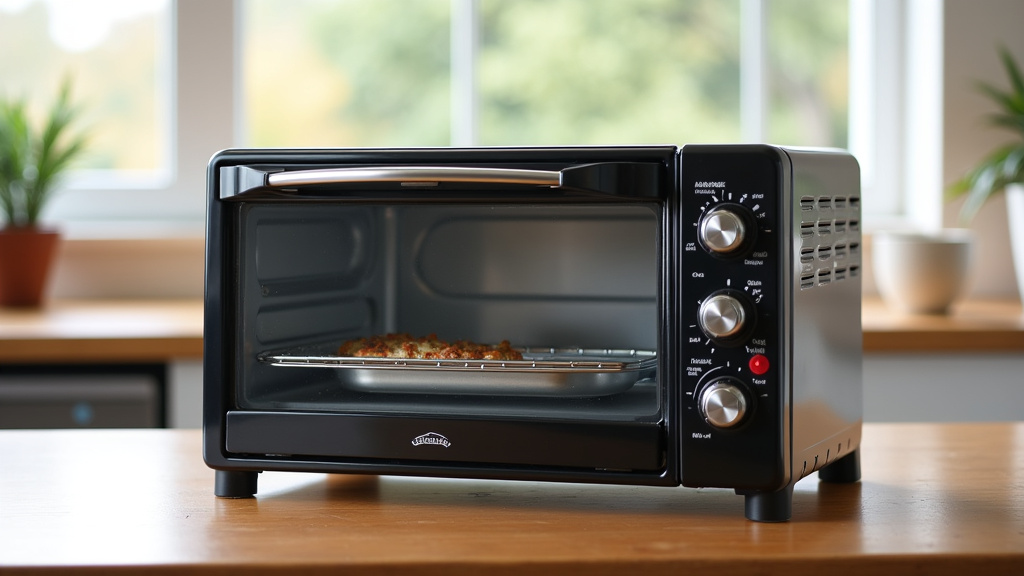
Many contemporary toaster ovens offer settings for baking, broiling, convection cooking, and even air frying. Convection settings use a fan to circulate hot air. This helps food cook more evenly and faster. Air frying capabilities allow you to achieve crispy textures with less oil. These added features make them incredibly versatile.
When to Choose Which Appliance
Deciding between or combining these appliances depends on your needs. Here’s a quick guide:
- For single cooks or small households: A toaster oven might be sufficient for most daily cooking needs.
- For large families or frequent entertainers: A regular oven is essential, and a toaster oven can be a helpful secondary appliance.
- For dorm rooms or small apartments: A toaster oven offers more cooking options than a microwave.
- For bakers who make large batches: A regular oven is a must.
- For those who love crispy snacks and quick meals: A toaster oven excels.
Comparing Key Features at a Glance
To help you visualize the differences, let’s summarize the main points in a table. This should make it easier to see where each appliance shines.
| Feature | Toaster Oven | Regular Oven |
|---|---|---|
| Size & Placement | Countertop, compact | Built-in, large capacity |
| Best For | Toasting, reheating, small portions, quick snacks | Large meals, batch baking, roasting, elaborate dishes |
| Speed | Heats up fast, cooks small items quickly | Slower to preheat and cook large items |
| Energy Use | Generally more energy-efficient for small jobs | Uses more energy, especially for smaller tasks |
| Versatility | Increasingly versatile with convection/air fry options | Standard baking, broiling, roasting capabilities |
Making the Right Choice for Your Kitchen
Ultimately, the question isn’t always “which one is better,” but “which one is better *for you*.” Many people find that having both a regular oven and a toaster oven offers the most flexibility. You get the speed and convenience of a toaster oven for everyday tasks.
You also have the power and capacity of a regular oven for those larger cooking projects. Consider your cooking habits, your kitchen space, and your budget. We found that understanding these differences empowers you to make a decision that truly fits your lifestyle.
Your Kitchen Decision Checklist:
- Do you often cook for one or two people?
- Are you looking for a faster way to reheat leftovers?
- Is maximizing countertop space a priority for you?
- Do you frequently bake large batches of cookies or bread?
- Do you need to roast a whole turkey or large roasts?
- Is energy efficiency for everyday cooking important?
Conclusion
You’ve seen that a toaster oven and a regular oven are different appliances, each with unique strengths. Your regular oven is your kitchen workhorse for large meals and batch baking. Your toaster oven acts as a speedy assistant for quick snacks, toasting, and reheating small portions efficiently. Many kitchens benefit from having both, offering you the best of both worlds.
Consider your cooking habits and kitchen space. This will help you decide if a toaster oven is a great addition to your existing setup. Think about those small tasks you do daily. You can make cooking more convenient and energy-smart.
Frequently Asked Questions
Can a toaster oven completely replace a regular oven?
For most households, a toaster oven cannot completely replace a regular oven. While it’s versatile for small tasks, a regular oven is needed for larger meals, batch baking, and roasting. You’ll find it best as a helpful addition, not a full substitute.
Are toaster ovens more energy-efficient than regular ovens?
Yes, for small cooking jobs, toaster ovens are generally more energy-efficient. They heat up much faster and use less power because of their smaller size. Using a toaster oven for tasks like toasting bread or reheating a single serving saves energy compared to heating a large oven.
How do I choose the right size toaster oven?
Consider what you’ll use it for most often. If it’s just for toast and a few snacks, a compact model works. If you plan to bake small pizzas or roast small chicken pieces, look for a larger capacity toaster oven.
Can I bake a cake in a toaster oven?
You can bake smaller cakes or cupcakes in a toaster oven. However, you need to be mindful of the size limitations. For larger cakes or multiple batches, a regular oven is recommended for more even results.
What are the main benefits of having both appliances?
Having both gives you maximum kitchen flexibility. You get the quick convenience of a toaster oven for everyday small tasks and leftovers. You also retain the capacity and power of a regular oven for larger meals and baking projects. It helps save time and energy.