Toaster Oven vs Microwave: Healthy Cooking (November 2026)
Both can suit healthy cooking; choose a microwave for quick steaming and a toaster oven for browning and crisping. The ingredients and cooking method matter more than the appliance alone.
On this page (7 sections)
- Is a toaster oven or microwave healthier?
- How do the cooking methods affect everyday meals?
- Which appliance is better for reheating?
- What should you consider about oil and crisping?
- Which appliance fits a small kitchen and daily routine?
- What safe habits apply to both appliances?
- Which should you choose for healthy cooking?
Both can suit healthy cooking; choose a microwave for quick steaming and a toaster oven for browning and crisping. The ingredients and cooking method matter more than the appliance alone.
A microwave heats food with electromagnetic waves, while a toaster oven uses heating elements to cook and brown the surface. Neither method makes a meal healthy by itself.
For the broader toaster oven vs microwave comparison, consider speed, texture, capacity, and how often you cook. This guide focuses on food choices and everyday nutrition questions.

 Best for crisping and batch variety
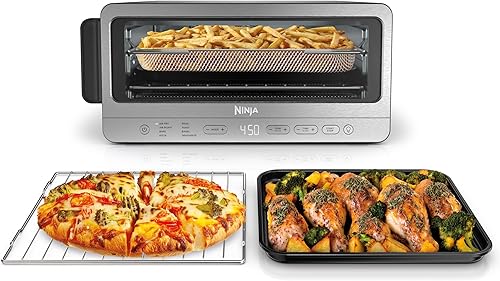
Ninja® Flip Toaster Oven & Air Fryer
Is a toaster oven or microwave healthier?
Neither appliance is inherently healthier; the food and the way you prepare it have the bigger effect. A microwave can help cook vegetables quickly with little water, while a toaster oven can brown foods without deep frying.
Cooking can change some nutrients in any appliance. The amount varies with the food, cooking time, heat, and liquid used, so no single appliance wins for every ingredient.
A microwave is useful for vegetables, grains, and leftovers when you want a quick meal. Use a small amount of water when steaming vegetables, and avoid cooking them longer than needed.
A toaster oven suits foods where you want a browned surface or crisp texture. Baking or broiling vegetables, fish, or a small portion of a dish can limit the need for deep frying, but added oil, sauces, and serving size still count.
Does microwave cooking affect nutrients?
Microwaving does not inherently strip food of its nutrients. Shorter cooking and less water can help retain water-soluble nutrients, though results vary by food and preparation.
Boiling vegetables in a large amount of water can move some nutrients into the cooking water. If you use that water in a soup or sauce, some of those nutrients remain part of the meal.
Avoid treating any cooking method as a guarantee of a more nutritious result. Fresh, frozen, or canned vegetables can all fit into meals; check added salt or sauces when those matter to your diet.
Does browning make toaster oven food healthier?
Browning changes texture and flavor, but it doesn't automatically improve nutrition. A browned vegetable can still be part of a balanced meal, while a heavily oiled or oversized portion can add more energy than you intended.
Use the toaster oven for the texture you want, not as a health claim. A light coating of oil may help with browning, but you can control the amount rather than pouring it freely.
The toaster oven vs pizza oven comparison covers another appliance choice where high heat and crisp results are central. Whichever oven you use, keep an eye on food so it doesn't burn.
How do the cooking methods affect everyday meals?
Use the microwave for speed and moist heat; use the toaster oven when dry heat and browning are useful. Match the method to the food instead of forcing one appliance to handle every task.
Microwaves are convenient for reheating soup, cooking a potato, or steaming vegetables in a microwave-safe covered dish. Stir or rotate food when needed, then let it stand briefly so heat can spread.
Toaster ovens are better suited to toast, baked vegetables, small casseroles, and foods that benefit from a crisp surface. They need more time to preheat and cook than a microwave for many small reheating jobs.
A convection microwave combines microwave heating with a convection function. Read our convection microwave vs toaster oven comparison if you want to weigh those combined functions against a dedicated countertop oven.
Which method suits vegetables?
Both appliances can cook vegetables; choose based on texture and the time you have. Microwave steaming tends to keep vegetables moist, while a toaster oven can brown their edges.
Cut pieces to a similar size so they cook more evenly. For microwave cooking, add only a little water and use a vented cover designed for microwave use.
For toaster oven roasting, spread vegetables in a single layer and use an oven-safe pan that fits with room for airflow. A crowded pan can steam food instead of helping it brown.
Frozen vegetables can also be convenient. Follow the package directions, and check texture and doneness before serving.
Which method suits fish, chicken, or other proteins?
Either appliance can cook suitable portions of protein, but safe doneness depends on the food and the cooking process. Use a food thermometer when needed and follow current food-safety guidance for the type of protein.
Microwaves can heat unevenly, especially in thick portions. Arrange food evenly, cover it when appropriate, rotate or stir during cooking, and allow standing time before checking doneness.
A toaster oven provides dry heat that can brown or roast smaller portions. Keep food in a suitable pan and use a thermometer rather than relying only on color.
For whole cuts, poultry, or larger meals, check whether your appliance has enough capacity to cook the food evenly. A countertop appliance's size can be a practical limit even when its cooking mode is suitable.
Which appliance is better for reheating?
Choose a microwave for quick, moist reheating and a toaster oven for crisp leftovers. The best method depends on whether you want speed or texture.
A microwave works well for soup, rice, cooked vegetables, and many saucy meals. Stir halfway through when practical and check several spots, since cold pockets can remain.
Use a toaster oven for pizza, roasted vegetables, or breaded foods when you want the outside to regain some crispness. Reheating takes longer, and a small oven may need preheating.
Don't put metal cookware in a microwave unless its manual specifically allows it. Use containers marked microwave-safe, and take care when uncovering food because trapped steam can cause burns.
For toast specifically, the choice depends on how much you make and the counter space available. Our guide to whether to use a toaster or toaster oven for toast covers that narrower decision.
What should you consider about oil and crisping?
A toaster oven can brown food without deep frying, but the amount of oil and the food itself still matter. Crisp texture doesn't mean a dish is low in fat or calories.
Air frying uses circulating hot air to cook and brown food. The Ninja® Flip Toaster Oven & Air Fryer includes an air fry function, but how much oil you use and what you cook affect the meal.
A microwave can cook many foods with little or no added oil, but it won't create the same dry, browned finish on its own. Choose sauces and toppings with the same care you give the cooking method.
Which appliance fits a small kitchen and daily routine?
Pick the appliance you'll use for the meals you make most often, while leaving enough room to operate and clean it safely. A quick microwave meal can be more practical on a busy day, and a compact oven can help when you regularly want browned food.
A toaster oven needs clearance around its hot surfaces and space for a suitable pan. The BLACK+DECKER TO1313SBD has bake, broil, toast, and keep-warm functions, with space for a 9 in pizza or 4 slices of bread.
The Ninja model can flip upright against a backsplash for storage, according to its design. Measure your counter and overhead area, and follow each appliance's manual for ventilation and setup.
If you mainly heat drinks and leftovers, a microwave may earn its counter space more often. If you bake or toast small batches several times a week, a toaster oven may be more useful.
What safe habits apply to both appliances?
Use the cookware and setup instructions for the exact appliance, and check food before serving. Safe handling matters regardless of whether you choose microwave energy or heating elements.
For microwaves, choose microwave-safe dishes and avoid sealed containers that can trap pressure. Stir liquids and foods when appropriate, and handle hot containers carefully.
For toaster ovens, use oven-safe bakeware and mitts, keep food away from heating elements, and leave the required ventilation space. Crumbs and grease can collect, so clean the appliance as its manual directs.
The FDA guidance on microwave oven safety explains safe use and why a properly maintained microwave does not make food radioactive. Follow the specific manufacturer's instructions for your model.
Which should you choose for healthy cooking?
Choose a microwave if quick cooking and reheating fit your routine; choose a toaster oven if you often want baked or browned food. Either can support varied meals when you choose sensible ingredients and portions.
If you want crisp texture in small batches, the toaster oven's bake, broil, and air fry modes may suit you. For vegetables or leftovers cooked quickly with little water, a microwave is often the simpler tool.
Think about the meals you repeat during the week, not an ideal menu you rarely make. The appliance that helps you prepare those meals consistently is the more useful choice for your kitchen.
For the wider appliance decision, see our toaster oven vs microwave guide. Match the method to your food, and let the rest of the meal guide your nutrition choices.
Frequently asked questions
Is a toaster oven healthier than a microwave?
Neither appliance is automatically healthier. A microwave can cook vegetables with little added water, while a toaster oven can brown food without deep frying.
The ingredients, added fats, portion size, and cooking method matter more than the appliance label.
Does microwaving vegetables remove nutrients?
Microwaving does not automatically remove more nutrients than other cooking methods. Nutrient changes depend on the food, cooking time, temperature, and water used.
Short cooking with little water can help limit nutrient loss, whether you use a microwave or another method.
Can a toaster oven cook a balanced meal?
A toaster oven can cook parts of a balanced meal, such as vegetables, fish, or a small portion of a casserole, depending on its capacity and cookware. Balance comes from the foods on your plate, so pair cooked ingredients with a variety of vegetables, grains, and protein.
Does a microwave make food radioactive?
No. Microwave ovens heat food with electromagnetic waves that cause water molecules to move; they do not make food radioactive.
Use microwave-safe containers and follow the oven manual, since unsuitable materials can melt, spark, or transfer unwanted substances.
Which is better for reheating leftovers?
A microwave is usually the quicker choice for moist foods such as soup, rice, and vegetables. A toaster oven can restore browning or crispness in items such as pizza or roasted vegetables, but it typically takes longer because the oven cavity and food need to heat.