What Is a Toaster Oven Timer For? A Closer Look
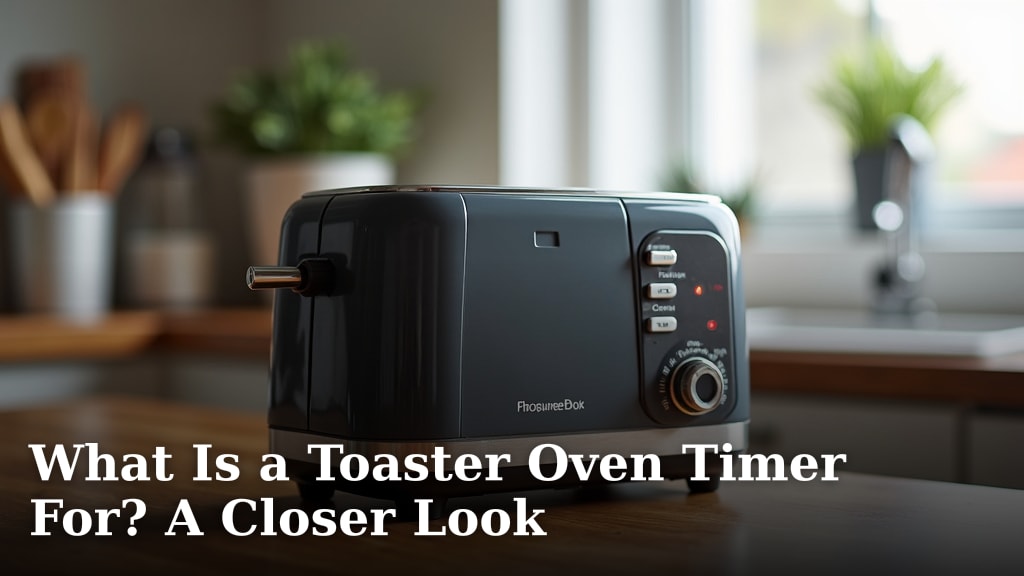
Understanding the Toaster Oven Timer’s Core Purpose
A toaster oven timer is essentially a small, built-in clock that controls the oven’s heating cycle. Its main job is to automatically turn the oven off after a set period. This simple feature stops your food from burning and keeps your kitchen safe while you multitask.
Think of it as a polite assistant who reminds the oven when the work is done. You set the minutes, and it takes care of the rest. This basic function is what makes a toaster oven much more convenient than a regular oven for quick meals.
How the Timer Mechanism Actually Works
Most mechanical timers use a spring and a clockwork gear system. When you twist the dial, you wind the spring. As the spring slowly unwinds, it moves the gears. Once the time elapses, a switch triggers to cut the power to the heating elements.
Electronic timers work differently. They use a circuit board and a digital display. You press buttons to set the time, and a tiny computer counts down the seconds. Both types achieve the same goal: precise, automatic shutoff.
Everyday Uses Beyond Just Toasting Bread
While toasting is obvious, the timer’s real value shines with other foods. It gives you consistent results for items that can quickly go from perfectly done to charred. This is especially helpful for foods you don’t need to watch constantly.
According to kitchen safety guidelines from the National Fire Protection Association (NFPA), unattended cooking is a leading cause of home fires. A timer acts as a crucial safeguard against this risk.
Baking and Reheating with Confidence
Heating up leftovers? The timer ensures your slice of pizza warms through without turning into a hockey puck. For small-batch baking like cookies or a personal pizza, it provides the exact timing needed for a good bake.
We found that many home cooks appreciate this reliability. It removes the guesswork from reheating, which is a common task in most households. Your food heats evenly and safely every time.
Roasting and Broiling Small Portions
Roasting a few vegetables or broiling a piece of fish becomes straightforward. You can set the timer for the exact duration recommended in a recipe. This prevents overcooking, which is easy to do with these fast-cooking methods.
The timer allows you to step away and prepare other parts of the meal. You can trust that your roasted nuts or broiled salmon will be ready precisely when you need them.
The Different Types of Toaster Oven Timers
Not all timers are created equal. The two primary categories offer different levels of control and convenience. Choosing between them depends on how you typically use your toaster oven.
Simple Countdown Timers
This is the most common type. It does one thing perfectly: count down from a set time and then turn the oven off. It’s straightforward and easy to use. There are no extra buttons or complicated settings.
You’ll find these on basic, budget-friendly models. For tasks like toasting and reheating, a simple countdown timer is all most people really need. It keeps things uncomplicated.
Multi-Function and Digital Timers
Higher-end models often feature digital timers with more options. These might include a “stay on” function for longer bakes, or pre-set buttons for common foods like toast or pizza. Some even have a delay-start feature.
However, it’s important to use delay-start safely. According to appliance safety standards, you should never leave food in an oven with a delay start if it’s perishable, like raw meat or dairy. It’s best for dry goods only.
Key Benefits of Using Your Timer Effectively
Using the timer properly does more than just prevent burnt toast. It actively improves your cooking results and overall kitchen experience. It’s a small habit that yields big rewards.
Food Quality and Consistency
The difference between perfect and ruined food is often just a few minutes. A timer removes the human error of distraction. Your toast, cookies, or roasted almonds will come out consistently good, not just sometimes.
Consistency builds your confidence in the kitchen. You learn that following time cues leads to reliable outcomes. This makes cooking more enjoyable and less stressful.
Energy Efficiency and Safety
Letting an empty toaster oven run is a waste of electricity. The timer ensures it’s only on for as long as necessary. Over time, this mindful use can lead to small but meaningful savings on your utility bill.
From a safety perspective, the automatic shutoff is non-negotiable. It mitigates fire risk from forgotten food or an accidental “stay on” setting. The U.S. Fire Administration highlights that cooking equipment is involved in the majority of home fires, making such safety features vital.
What Your Timer Cannot Do (Limitations)
It’s helpful to know what the timer doesn’t control. This prevents misunderstandings about your appliance’s capabilities.
It Doesn’t Control Temperature
The timer and the temperature dial are separate controls. Setting a timer for 20 minutes doesn’t preheat the oven or adjust how hot it gets. You must still manage the temperature setting manually for proper cooking.
It Won’t Stir or Flip Your Food
Some recipes require food to be flipped or rotated halfway through. The timer can beep to remind you, but it won’t perform these actions. You are still an essential part of the cooking process.
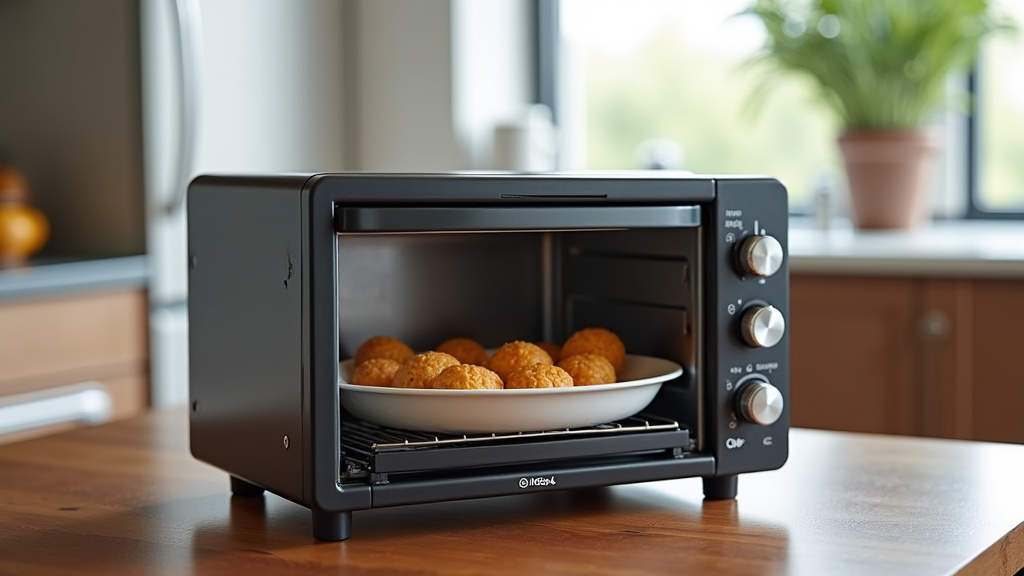
Comparing Timers: Mechanical vs. Electronic
Choosing between a knob and buttons comes down to personal preference and features. Here is a simple comparison to help you decide.
| Feature | Mechanical (Knob) Timer | Electronic (Digital) Timer |
|---|---|---|
| Operation | Twist to set, spring-wound | Press buttons to set, battery-powered |
| Display | Physical dial with numbers | LCD or LED screen |
| Sound | Loud, single bell or beep | Adjustable volume, sometimes multiple beeps |
| Extra Features | Very few, if any | Delay start, pre-sets, clock function |
| Durability | Very durable, few parts to break | Depends on electronics, can be more complex |
Simple Checklist for Timer Mastery
To get the most from your toaster oven timer, follow these straightforward tips. They make a big difference in your daily use.
- Always preheat first. Use the timer only after the oven reaches the right temperature.
- Set it immediately. Start the timer the moment you put the food in to avoid forgetting.
- Don’t trust it for doneness. Use a food thermometer for meats and a toothpick for baked goods.
- Listen for the signal. Use the audible beep as your cue to check the food, not as your only judge.
- Clean the dial or buttons. Grease buildup can make timers sticky or unresponsive.
- Know your model’s quirks. Some timers might run a minute fast or slow—learn its habit.
Maintaining Your Timer for Long Life
A little care goes a long way. Keeping your timer clean ensures it functions reliably for years. Food splatters and grease are the main enemies.
Gently wipe the control panel with a damp cloth. For mechanical knobs, make sure the area around the dial is free of sticky residue. This simple maintenance prevents jamming and keeps the mechanism turning smoothly.
By understanding and using this humble feature correctly, you transform your toaster oven from a simple toaster into a versatile and dependable kitchen tool. It works quietly in the background, making your cooking safer and your results more consistent.
Conclusion
Your toaster oven timer is more than just a simple countdown clock. It is a key tool for kitchen safety, helping prevent fires by shutting the oven off automatically. It also ensures your food, from toast to reheated leftovers, cooks consistently and correctly. By understanding its basic function and using it every time, you turn a basic appliance into a reliable partner. The next time you use your toaster oven, make setting the timer a non-negotiable habit. Start by setting it for your very next meal to build a safer, more effective routine.
Frequently Asked Questions
Does using the timer on a toaster oven cook my food faster?
No, the timer does not change the cooking speed or temperature. Its only function is to track time and turn the oven off when done. You still control the cooking intensity with the temperature dial.
Can I use a separate kitchen timer instead of the toaster oven’s built-in one?
Yes, you can use any external kitchen timer. However, the built-in timer offers a crucial safety benefit: it cuts power to the oven. An external timer only reminds you; it doesn’t automatically turn the oven off.
What should I do if my toaster oven timer seems to be running fast or slow?
First, check if the issue is with the timer or your cooking. Test it against a phone clock. If it is consistently off, you can usually recalibrate the timer per your owner’s manual. If not, it may need repair.
Is it possible to replace a broken mechanical timer knob?
Often, yes. The mechanical timer knob is frequently a replaceable part. Search for your specific toaster oven model number plus “timer knob” or “dial” to find replacement parts from the manufacturer or appliance parts suppliers.
How do I reset my digital toaster oven timer if it’s not working?
Unplug the oven for a few minutes. This simple power cycle can reset the electronic control board and often clears minor glitches. If the problem persists after plugging it back in, the timer or board may need professional service.