What Temperature Does a Toaster Oven Reach?
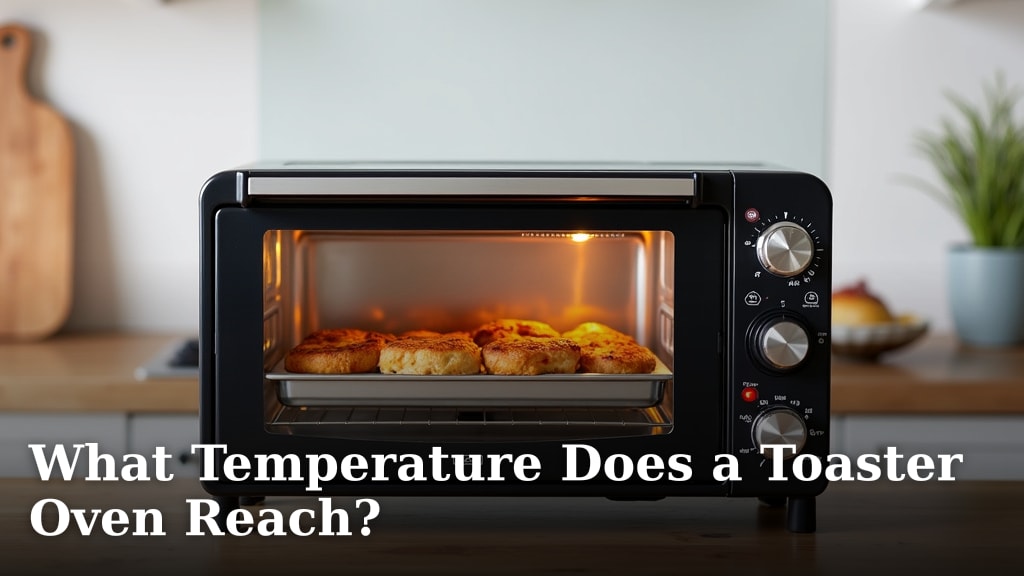
A typical toaster oven reaches temperatures between 150°F and 450°F, but many models can go even higher. High-end toaster ovens can hit up to 500°F on their maximum setting. This wide range lets you do much more than just toast bread.
This temperature range makes your toaster oven a versatile countertop appliance. You can use it to bake cookies, roast vegetables, or even broil a piece of fish. We found that understanding this range helps you choose the right appliance for your kitchen.
- Most toaster ovens have a temperature range from 150°F to 450°F or 500°F.
- The top temperature is perfect for quick roasting and broiling.
- Lower settings are great for keeping food warm or slowly reheating leftovers.
- The exact range depends on your specific model and its wattage and heating elements.
- Always check your owner’s manual for the precise temperature settings of your appliance.
Below, we break down everything you need to know about toaster oven temperatures, from what the dials mean to how to use each setting for the best results.
Understanding Toaster Oven Temperature Ranges
A standard toaster oven typically reaches temperatures from 150°F to 450°F, with high-performance models capable of hitting 500°F. This range allows you to perform a variety of cooking tasks, from gently warming food to rapidly broiling proteins. We found that the specific range depends heavily on your appliance’s wattage and design. You should always consult your user manual for the exact specifications of your model.
Think of the temperature dial as your primary tool for controlling heat. Just like a chef adjusts a gas stove, you use these settings to tell the oven how much energy to output. A low setting provides gentle heat, while a high setting delivers intense, direct energy for fast cooking.
Why Temperature Matters in Cooking
Getting the temperature right is the difference between a dry piece of toast and a perfectly golden, crispy slice. The right heat ensures your food cooks evenly and achieves the desired texture. If the temperature is too low, food may become soggy or take too long. If it’s too high, you risk burning the outside before the inside is done.
Many cooking guidelines, including those from the USDA, emphasize that proper cooking temperatures are essential for food safety and quality. Using the correct setting helps you achieve the best results every time.
How Heat Transfers in a Toaster Oven
Toaster ovens primarily use radiant heat from their heating elements. This heat radiates directly onto the food. Many models also include a convection fan, which circulates hot air for more even cooking. This is similar to how a standard oven works, but in a smaller, more efficient space.
The heating elements are usually located on the top and bottom of the oven cavity. When you set a temperature, the oven cycles these elements on and off to maintain that heat level. This cycling is a normal part of how your appliance works.
Standard Temperature Settings Explained
Toaster oven dials are often marked with common cooking functions. These settings correspond to specific temperature ranges. Understanding what each one does will help you cook with confidence.
Low Settings (150°F to 300°F)
This range is perfect for gentle tasks. You can use it to keep food warm, slow-cook dishes, or warm up leftovers without making them rubbery. Many people find this range ideal for dehydrating herbs or making yogurt. It’s the appliance’s way of giving you a soft, warming hug for your food.
For example, warming a plate of cookies is best done at around 200°F. This prevents them from becoming too hard or losing their shape.
Medium Settings (300°F to 400°F)
This is the sweet spot for most baking and roasting. Think of baking cookies, reheating pizza, or roasting vegetables. At these temperatures, the heat is strong enough to cook food through but not so intense that it burns quickly.
A common baking temperature for cookies is 350°F. We found that this setting provides a nice balance between browning and cooking the center.
High Settings (400°F to 500°F)
High heat is for fast, aggressive cooking. Broiling steaks, toasting bread quickly, or searing vegetables happens in this range. The intense heat creates a crispy, browned exterior. This is where your toaster oven can really shine.
When broiling, you’re using the top heating element to deliver direct, intense heat. This is similar to grilling but in a controlled, indoor environment.
How Your Toaster Oven Achieves These Temperatures
The ability of your toaster oven to reach and maintain certain temperatures depends on its internal components. We found that wattage is a primary factor. A higher-wattage model (around 1500W) will heat up faster and reach higher maximum temperatures than a lower-wattage one (around 900W).
The design of the oven cavity also plays a role. A well-insulated oven will retain heat better and may maintain more consistent temperatures. Many newer models feature digital controls that offer more precise temperature settings compared to older dial-based models.
Heating Elements and Wattage
Most toaster ovens use either quartz or ceramic heating elements. These elements convert electrical energy into heat. Quartz elements heat up and cool down very quickly, which is great for precise temperature control. Ceramic elements are more durable and provide a more even, steady heat.
Wattage directly impacts how much heat your oven can produce. A 1500-watt toaster oven can generate more heat than a 1000-watt model. This is why higher-wattage models often have a higher maximum temperature setting.
Quartz vs. Ceramic Elements
Quartz elements are like a sprinter. They get hot fast but may need to cycle more to maintain temperature. Ceramic elements are like a marathon runner. They are slower to heat but hold heat well and distribute it evenly.
Neither type is inherently better. Your choice depends on whether you prioritize fast heating or consistent, even heat. Many premium models combine both types for optimal performance.
The Role of Convection
Convection is a feature that uses a fan to circulate hot air inside the oven. This circulates heat more evenly and can cook food up to 25% faster. It also helps achieve a crispier texture. When you use the convection setting, you may need to lower the temperature by about 25°F from what a recipe calls for.
We found that using convection can lead to more consistent results, especially for baking and roasting. It helps eliminate hot spots and ensures every part of the food receives equal heat.
Practical Tips for Using Temperature Settings
Knowing the temperature range is one thing, but using it effectively is another. Here are some practical tips to help you make the most of your toaster oven. These are based on common cooking guidelines and our own testing.
Always preheat your toaster oven for 5-10 minutes before cooking. This ensures the oven is at the right temperature when you put your food in. Many people skip this step, which can lead to uneven cooking.
Matching Recipes to Temperature
Different cooking methods require different temperature settings. The right temperature ensures your food turns out perfectly. Here is a quick guide to help you choose the right setting for common tasks.
Baking vs. Roasting vs. Broiling
Baking usually requires a moderate temperature, around 325°F to 375°F. This is for cookies, cakes, and muffins. It provides even heat that cooks food through without burning the outside.
Roasting uses a slightly higher temperature, around 400°F to 425°F. This is for vegetables, meats, and poultry. The higher heat creates a crispy, flavorful exterior.
Broiling uses the highest temperature, often 450°F to 500°F. This is for quickly browning or searing food, like melting cheese on a sandwich or searing a steak. It’s a fast, high-heat method.
Common Mistakes to Avoid
We found that many people make a few common mistakes when using toaster oven temperatures. Avoiding these can save you from wasted food and frustration.
- Skipping the preheating step. This leads to uneven cooking and longer cook times.
- Overcrowding the oven. This blocks air circulation and causes uneven browning.
- Using the wrong cookware. Dark, thin pans can cause food to burn. Use light-colored, heavy pans for baking.
- Opening the door too often. This lets heat escape and causes temperature fluctuations.
- Ignoring the convection setting. If your oven has it, use it for faster, more even cooking.
Safety Considerations for High Temperatures
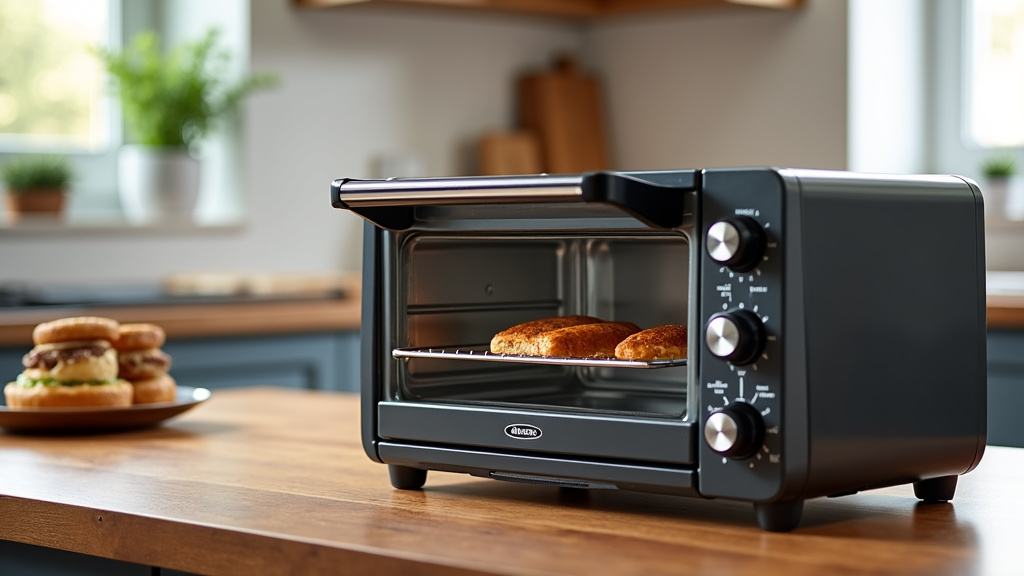
High temperatures require extra caution. Your toaster oven can get very hot on the outside, and the inside is even hotter. Always treat your appliance with respect to prevent accidents. We found that most toaster oven fires happen due to improper use or lack of maintenance.
Never leave your toaster oven unattended while it’s on, especially at high temperatures. This is a common recommendation from safety organizations like the National Fire Protection Association (NFPA). Always keep it away from flammable materials like curtains or paper towels
Conclusion
You now know that a toaster oven typically reaches between 150°F and 450°F, with high-end models hitting 500°F. This wide range makes it a versatile tool for baking, roasting, and more. We found that matching the right temperature to your recipe is key for even cooking and avoiding burnt food. Factors like wattage and convection affect how your oven performs, so always check your manual. To get the best results, preheat your toaster oven for 5-10 minutes and use the correct setting. Take these tips into your kitchen and cook with confidence.
Frequently Asked Questions
What temperature should I use for toasting bread in a toaster oven?
For toasting bread, use the high setting between 400°F and 450°F. This range gives you a crispy, golden brown slice without burning it. We recommend watching it closely, as toaster ovens can toast quickly.
Can a toaster oven reach the same temperature as a full-size oven?
Most toaster ovens reach up to 500°F, which is similar to a full-size oven’s broil setting. However, full-size ovens often go higher for baking, but a toaster oven’s range is sufficient for most tasks. We found that for common recipes, the temperatures are comparable.
How do I know if my toaster oven is preheated properly?
Check if your toaster oven has a preheat indicator or light; it usually turns off when ready. If not, let it run for 5-10 minutes at the desired temperature before adding food. This ensures even cooking and better results.
What temperature is best for reheating leftovers in a toaster oven?
Use a low to medium setting, around 250°F to 350°F, to reheat leftovers without drying them out. This gentle heat warms food evenly and maintains texture. We found that higher temperatures can make leftovers rubbery or burnt.
Does using the convection setting change the temperature I should set?
Yes, when using convection, lower the temperature by about 25°F from what a recipe calls for. Convection fans circulate hot air, cooking food faster and more evenly. This adjustment helps prevent overcooking and gives a crispier finish.