What Is a Digital Toaster Oven? What It Means
Understanding the Digital Toaster Oven Concept
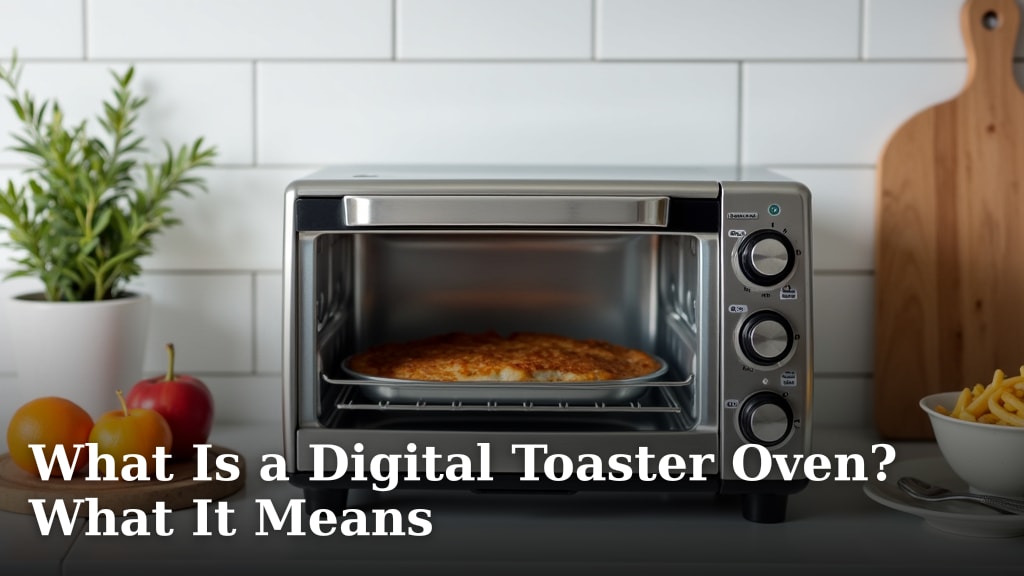
A digital toaster oven is a countertop kitchen appliance that uses electronic controls for precise, programmable cooking. It’s a step up from a simple toaster or manual oven, offering more functions and accuracy. Think of it as a mini, smart oven for your counter.
At its core, it combines the functions of a toaster, a small oven, and sometimes a microwave or air fryer. You’ll find it can toast bread, bake a small chicken, or crisp up frozen fries. This versatility makes it a popular choice for small kitchens, dorm rooms, or as a backup for your main oven.
The Digital Brain: How the Controls Work
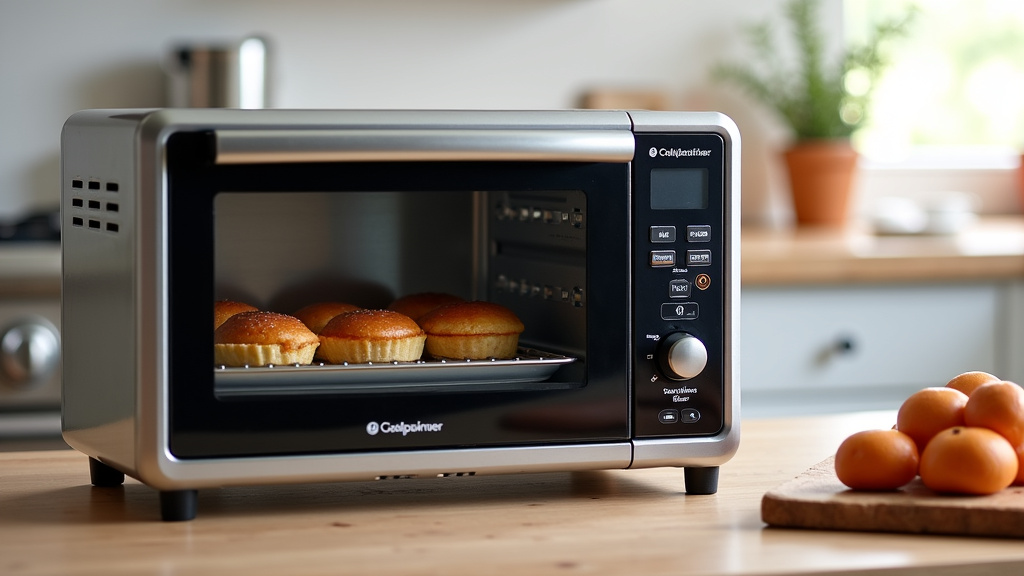
The “digital” part refers to its electronic interface. Instead of dials, you get buttons, touchpads, and a digital screen. This technology allows for settings that manual ovens just can’t match.
You can set an exact temperature, like 375°F, instead of guessing between “low” and “medium.” You can also program cooking times down to the minute. Many models have pre-set buttons for common tasks like “toast,” “bagel,” or “pizza,” which automatically select the right time and heat.
Key Control Features You’ll Encounter
When you look at the panel, you’ll see a few common elements. We found that most models share these core functions:
- Temperature Control: Adjust the heat in precise increments, often from 150°F to 450°F.
- Timer with Auto-Shutoff: A digital countdown that turns the oven off when done. This prevents burning and is a key safety feature (Consumer Reports, 2023).
- Function Selection: Buttons for specific cooking modes like Bake, Broil, Toast, or Reheat.
- Convection Setting: A switch to activate an internal fan that circulates hot air for faster, crispier results.
More Than Just Toasting: The Core Heating Methods
A digital toaster oven uses different elements to cook your food. Understanding these helps you use it properly. The three main methods are radiant heat, convection, and sometimes microwave energy.
1. Radiant Baking and Broiling
This is like a traditional oven. Top and bottom heating elements glow red to produce heat. Baking uses both elements for even cooking, while broiling uses just the top element for searing and browning the surface of foods.
2. Convection Cooking
Here’s where the fan makes a difference. A convection setting activates a fan that blows the hot air around. This eliminates cold spots and cooks food about 25% faster than a standard oven (Mayo Clinic Health Letter). It’s ideal for roasting vegetables or getting chicken skin extra crispy.
Is a Convection Fan Worth It?
Many experts say convection is one of the most valuable upgrades in a small oven. It saves time and energy. However, it can sometimes brown foods too quickly, so you may need to lower the temperature by 25°F or use a lower rack position.
3. Microwave-Assist (In Some Models)
Some hybrid models combine traditional heating with microwave technology. This allows for incredibly fast reheating. It’s a niche feature but great for quickly heating leftovers without making them soggy.
Sizes, Capacities, and What Fits Inside
Digital toaster ovens come in various sizes, measured in slice capacity or quart volume. The right size for you depends on your counter space and what you plan to cook. A common mistake is buying one too small for a full pizza.
| Common Size | Typical Capacity | Best For |
|---|---|---|
| Compact / 4-Slice | 0.5 – 0.9 cu. ft. | Toast, small baked goods, single servings. |
| Mid-Size / 6-Slice | 1.0 – 1.2 cu. ft. | Toast, small pizzas (up to 12-inch), baking for two. |
| Large / 8-12 Slice | 1.5 – 1.8 cu. ft. | 9×13 dishes, whole chicken, family-sized cooking. |
What Can You Actually Cook in It?
The list is surprisingly long. Beyond toast, you can prepare complete meals. We found that a mid-sized digital oven can handle:
- Baked Goods: Cookies, muffins, and small cakes.
- Pizzas: Frozen or homemade, up to 12 inches in many models.
- Roasted Proteins: Chicken breasts, fish fillets, or a small whole chicken.
- Vegetables: Roasted or steamed with the right accessories.
- Reheated Leftovers: Far superior to a microwave for items like pizza or fried chicken.
Digital Toaster Oven vs. Traditional Oven vs. Microwave
It’s not about replacement, but about the right tool for the job. A digital toaster oven occupies a unique middle ground. It heats up much faster than a full-size oven, often ready to cook in under 5 minutes.
Compared to a microwave, it doesn’t just reheat—it cooks. It can brown, crisp, and bake, which a microwave cannot do. Using it can also save energy, as you’re heating a much smaller space than your entire kitchen oven (U.S. Department of Energy).
Benefits and Practical Considerations
The advantages are clear, but it’s important to be realistic. There are benefits and trade-offs to consider for your lifestyle.
The Big Advantages
- Precision: Digital controls mean consistent results, especially for baking.
- Speed: Preheats quickly and cooks faster due to smaller size.
- Versatility: Replaces multiple appliances, saving counter space.
- Convenience: Auto-shutoff and preset programs simplify cooking.
Potential Downsides to Keep in Mind
- Learning Curve: The digital panel might be less intuitive than simple dials for some users.
- Capacity Limits: You can’t cook a Thanksgiving turkey in one.
- Heat Output: It can make a small kitchen warm during summer use.
- Cost: Advanced digital models are pricier than basic toaster ovens.
Smart Features in Higher-End Models
The technology is evolving. Some newer digital toaster ovens include “smart” features. These might connect to your Wi-Fi, allow control via a smartphone app, or offer voice control through a smart assistant.
Other premium additions include built-in meat probes that ensure your chicken is cooked to a safe internal temperature (USDA recommends 165°F), or slow-cook functions for making soups and stews over several hours.
A Quick Buyer’s Checklist for Digital Models
Shopping for one? Keep these points in mind to get the right fit for your kitchen and needs.
- Measure your counter space and the area where you’ll store it when not in use.
- Decide if you need convection cooking for faster, crispier results.
- Check the size of the interior—will it fit your standard baking sheet or pizza?
- Look for an intuitive control panel that isn’t overly complicated.
- Ensure it has essential safety features like auto-shutoff and a cool-touch door.
- Read reviews about its noise level, especially if the convection fan is loud.
Final Thoughts on the Digital Difference
A digital toaster oven is a practical, modern appliance that offers convenience and versatility. Its electronic controls provide a level of accuracy and ease that manual models can’t touch. For many, it becomes the most-used appliance in the kitchen.
The “digital” label means you’re getting a tool designed for today’s cooking—fast, precise, and flexible. Whether you’re a busy professional, a student in a small apartment, or a home cook wanting to save time, understanding what this appliance offers is the first step to seeing if it fits your life.
Conclusion
A digital toaster oven brings smart, programmable controls to countertop cooking. You get precise temperature and time settings that manual models can’t match. This accuracy, paired with functions like convection and auto-shutoff, makes it a reliable, versatile tool. It’s ideal for quick meals, small kitchens, or saving energy compared to your full-size oven.
We found that for many, it becomes the go-to appliance for daily cooking. The right one depends on your space, habits, and need for features like pre-set programs. Your next step is simple: measure your counter, think about what you cook most, and compare models using the buyer’s checklist. This ensures you pick a digital oven that truly fits your life.
Frequently Asked Questions
How is a digital toaster oven different from a regular toaster oven?
A regular toaster oven uses simple dials for basic functions. A digital model has an electronic interface with buttons and a screen. This allows for precise temperature control, timers, and often pre-programmed settings like “pizza” or “cookies” for easier use.
Can a digital toaster oven replace my microwave?
It can replace it for many tasks, especially those needing crispiness or browning. Digital toaster ovens excel at reheating leftovers, baking, and toasting. However, a microwave is still faster for quick reheating of soft foods like soups, so keeping both is often practical.
What is the average lifespan of a digital toaster oven?
With proper care, most models last between 3 to 5 years. The lifespan depends on usage frequency and maintenance. Regular cleaning of crumbs and avoiding overloading can help ensure it serves you well for several years.
Are digital toaster ovens energy efficient?
Generally, yes. They heat a much smaller space than a full-size oven, which saves energy. We found they preheat faster and often cook quicker due to convection features, leading to lower electricity use per meal for small batches.
Do I need to preheat a digital toaster oven?
For most baking and roasting, yes. Preheating ensures even cooking and proper results. Many digital models have a preheat indicator or function. For simple toasting or reheating, preheating is usually not necessary.