Can a Toaster Oven Replace a Regular Oven?
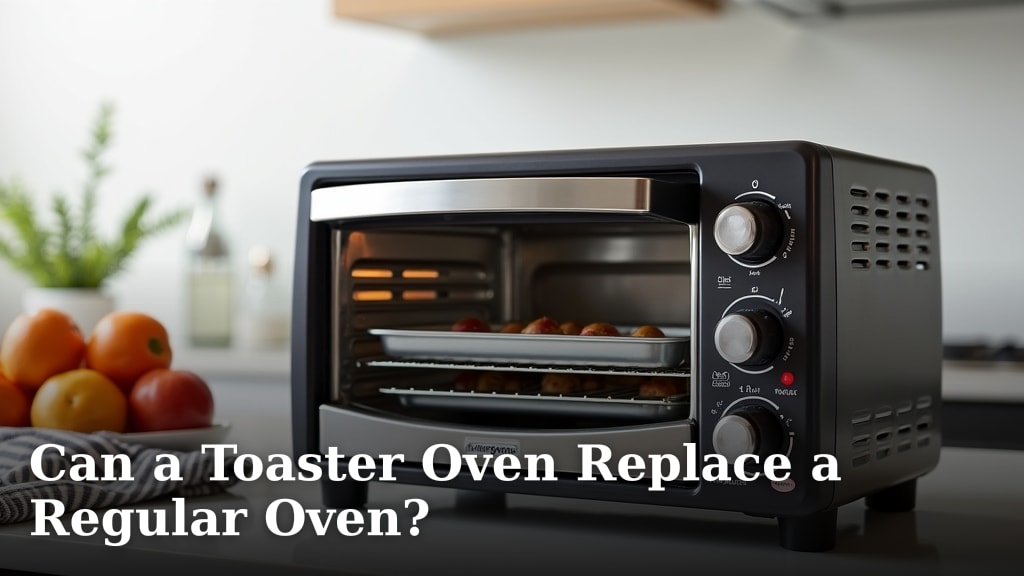
Yes, a toaster oven can replace a regular oven for many tasks, especially if you often cook for one or two people. It’s a great option for smaller kitchens and can handle common baking, toasting, and reheating needs efficiently. You might find it’s all you need.
Think of it as a versatile countertop appliance. It heats up much faster than a full-sized oven. This makes it perfect for quick meals and snacks. Many models also offer convection cooking for even browning. You’ll be surprised by what it can do.
- Toaster ovens can do most of what a regular oven can.
- They heat up much faster and save energy.
- They are ideal for small kitchens and small portions.
- Not ideal for large roasts or multiple baking sheets at once.
Below, we’ll break down exactly what a toaster oven can do and where it might fall short compared to your big oven.
Is a Toaster Oven a Good Oven Alternative?
Yes, a toaster oven can absolutely step in for your regular oven for many everyday cooking needs. It’s like having a smaller, quicker version right on your countertop. Think of it as a helpful sidekick to your main kitchen appliances, or even a star player in a compact kitchen setup.
Many people find that for daily meals, reheating leftovers, or whipping up snacks, a toaster oven is more than enough. It heats up in a flash, saving you time and energy. This makes it a smart choice for busy households or those who don’t cook large meals frequently.
What Can Your Toaster Oven Handle?
Your trusty toaster oven can perform a surprisingly wide range of cooking tasks. It’s not just for toast anymore! Many models offer multiple cooking functions that mimic a full-sized oven.
Baking and Roasting Basics
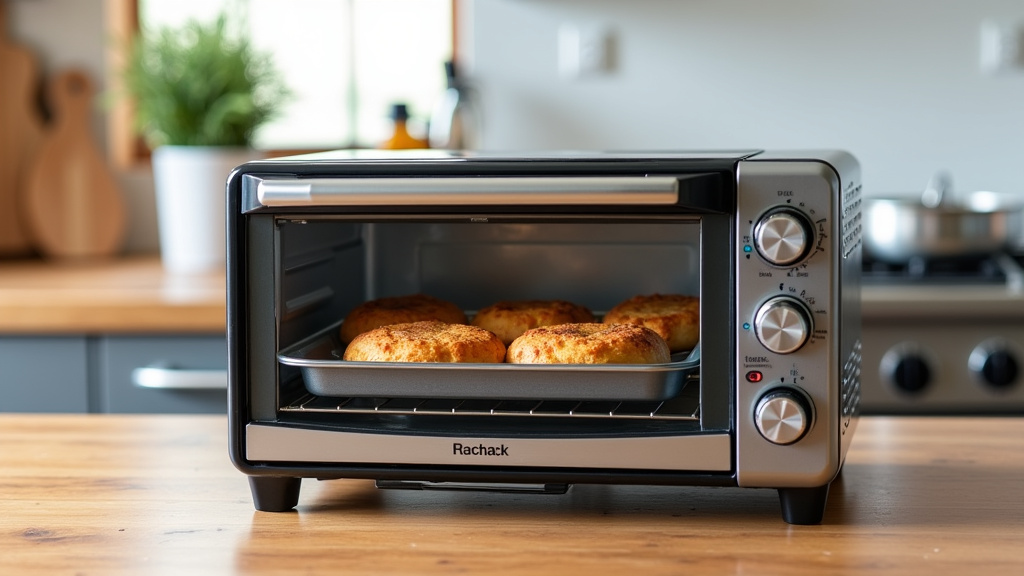
Can you bake cookies in a toaster oven? You bet! For smaller batches of cookies, muffins, or even a small cake, a toaster oven does a great job. You’ll just need to adjust your expectations regarding batch size. Instead of a dozen cookies at once, you might fit 4-6 on a small pan.
Roasting vegetables or small cuts of meat is also within its capabilities. A small chicken or a few chicken breasts will cook beautifully. Just make sure the food fits comfortably without touching the heating elements. We found that convection models tend to cook more evenly, giving your roasted items a nice crust.
Toasting and Broiling
This is where it truly shines! Toasting bread, bagels, or English muffins is its namesake function, and it does it perfectly. Most models allow you to control the darkness, giving you that golden-brown finish you love.
Broiling is another function many toaster ovens include. This is perfect for melting cheese on sandwiches, browning the tops of casseroles, or quickly cooking thinner items like fish fillets. It uses direct, high heat from the top element, so keep a close eye on your food to prevent burning. We found that broiling in a toaster oven is often faster than in a larger oven.
Reheating Leftovers
Forget the microwave for some things! A toaster oven is excellent for reheating pizza, pastries, or other foods that can become soggy in the microwave. It brings back the crispness and makes leftovers taste almost as good as they did the first time. This is a big win for reducing food waste and enjoying your meals more.
Comparing Toaster Ovens to Regular Ovens: Key Differences
While toaster ovens are incredibly versatile, they do have limitations when compared to their larger counterparts. Understanding these differences will help you decide if a toaster oven can truly replace your regular oven.
Capacity and Size Limitations
The most obvious difference is size. A toaster oven is designed for smaller spaces and smaller portions. You likely won’t be roasting a full turkey or baking multiple trays of cookies simultaneously. The interior space is limited, typically fitting only one small baking pan or dish. We found that recipes designed for larger ovens often need to be scaled down for a toaster oven.
Temperature Consistency and Hot Spots
Regular ovens are generally built with more robust insulation and heating elements, leading to more consistent temperatures. Toaster ovens, especially less expensive models, can sometimes have uneven heating. This means one side of your food might cook faster than the other. Using the convection setting can help circulate air and improve evenness, but it’s something to be aware of. Understanding how toaster ovens maintain consistent temperatures is crucial for successful cooking.
Many guidelines suggest rotating your food halfway through cooking in a toaster oven to ensure even browning (Cleveland Clinic). This is less of an issue with most conventional ovens.
Heating Speed and Energy Efficiency
Here’s where the toaster oven really pulls ahead! They heat up significantly faster than a full-sized oven. While a regular oven might take 10-20 minutes to preheat, a toaster oven can be ready in 3-5 minutes. This saves considerable time and energy, especially for quick meals or reheating.
Because of their smaller size and faster preheating, toaster ovens use less electricity for most tasks. For heating up a single slice of pizza or baking a few cookies, the energy savings are quite noticeable. We found that for small households, this can lead to a reduction in your electricity bill.
When a Toaster Oven Might Be Your Primary Oven
If your cooking habits align with the strengths of a toaster oven, you might be surprised at how little you miss your big oven.
Cooking for One or Two People
If you primarily cook meals for yourself or just one other person, a toaster oven is often perfectly adequate. The smaller capacity means you’re not heating a large space to cook a small portion, which is inefficient. Recipes can often be halved or quartered to fit.
Small Kitchens and Dorm Rooms
For apartments, dorm rooms, or any kitchen where space is at a premium, a toaster oven is a fantastic solution. It combines multiple functions into one compact appliance, freeing up valuable counter and cabinet space. You get the functionality of an oven without the bulky footprint.
Specific Cooking Needs
Perhaps you love making individual pizzas, toasting bread to perfection daily, or frequently reheating pastries. If these are your main culinary adventures, a toaster oven is tailor-made for the job. It excels at these smaller, quicker tasks.
When You Might Still Need Your Regular Oven
Let’s be honest, a toaster oven can’t do *everything* a big oven can. There are definitely times when you’ll be glad you have the full-sized appliance.
Large Roasts and Whole Poultry
That Thanksgiving turkey or a large pot roast is simply not going to fit in most toaster ovens. If entertaining large groups and cooking big centerpieces are part of your routine, your regular oven is essential.
Baking Multiple Items Simultaneously
If you’re a serious baker who needs to bake multiple trays of cookies, pies, or loaves of bread at the same time, a toaster oven won’t cut it. The limited rack space and interior dimensions make it impractical for large-scale baking projects.
Oversized Casseroles and Dishes
Even a standard 9×13 inch baking dish, common for many casseroles and brownies, might be too large for many toaster ovens. Always check the internal dimensions and the size of your favorite bakeware against the oven’s specifications.
Choosing the Right Toaster Oven
If you’re considering a toaster oven as a primary cooking appliance, or even just a supplemental one, picking the right model is key. Look beyond just the brand name.
Key Features to Consider
Think about the functions you’ll use most. Do you need convection for faster, more even cooking? Is a rotisserie attachment important? Some models offer a dehydrate function, which can be a fun bonus. Also, consider the interior capacity – measure your typical baking dishes.
Ease of cleaning is another factor. Look for non-stick interiors or removable crumb trays. We found that models with simpler controls are often easier to use and less prone to breaking.
Making the Switch: A Checklist for Success
Ready to see if a toaster oven can handle your kitchen needs? Use this quick checklist to help you assess:
- Do you usually cook meals for 1-2 people?
- Is your kitchen space limited?
- Do you often reheat leftovers that get soggy in the microwave?
- Are your baking needs typically for small batches?
- Do you value quick heating and energy savings?
- Can you adapt your favorite recipes to smaller pan sizes?
If you answered yes to most of these, a toaster oven might just be the perfect fit for your cooking style. It offers a convenient and efficient way to handle many of the tasks you rely on your full-sized oven for, with the added bonus of speed and energy savings.
Conclusion
After looking at what toaster ovens can do, you can see they’re more than just for toast. For many kitchens, especially smaller ones or those serving one to two people, a toaster oven can indeed handle a good portion of your regular oven’s tasks. They excel at heating up fast, saving energy, and cooking smaller portions efficiently. While they won’t replace your main oven for large holiday meals or extensive baking projects, they offer a convenient and capable alternative for daily cooking. To figure out if it’s right for you, consider your common cooking habits and kitchen space.
Frequently Asked Questions
Can I bake a full-sized cake in a toaster oven?
Generally, no. Most toaster ovens are too small to fit a standard 8 or 9-inch round cake pan. You can bake smaller cakes, like cupcakes or mini-loaves, but you’ll likely need to adjust recipes designed for larger ovens.
Are toaster ovens safe to use daily?
Yes, toaster ovens are designed for regular use. Like any kitchen appliance, you should follow the manufacturer’s instructions for operation and cleaning to ensure safety and longevity.
How do I avoid burning food in a toaster oven?
Toaster ovens heat up quickly and can have hot spots. We found that watching your food closely, especially when broiling or toasting, is key. Rotating your food halfway through cooking also helps ensure even results and prevents burning.
Can a toaster oven replace my microwave for reheating?
For many items, yes! Toaster ovens are excellent for reheating foods like pizza or pastries, as they can restore crispness without making them soggy like a microwave often does. However, for liquids or very quick reheating of small items, a microwave might still be more convenient.
What size toaster oven do I need if I want to replace my regular oven?
If you’re considering it as a primary oven for small households, look for larger capacity models, often called “toaster oven air fryers” or “convection toaster ovens.” These usually have interior dimensions that can accommodate at least one standard small baking pan (like a 9×13 inch, though always check measurements) and offer more versatile cooking functions.