Does a Convection Oven Cook Faster? The Simple Answer
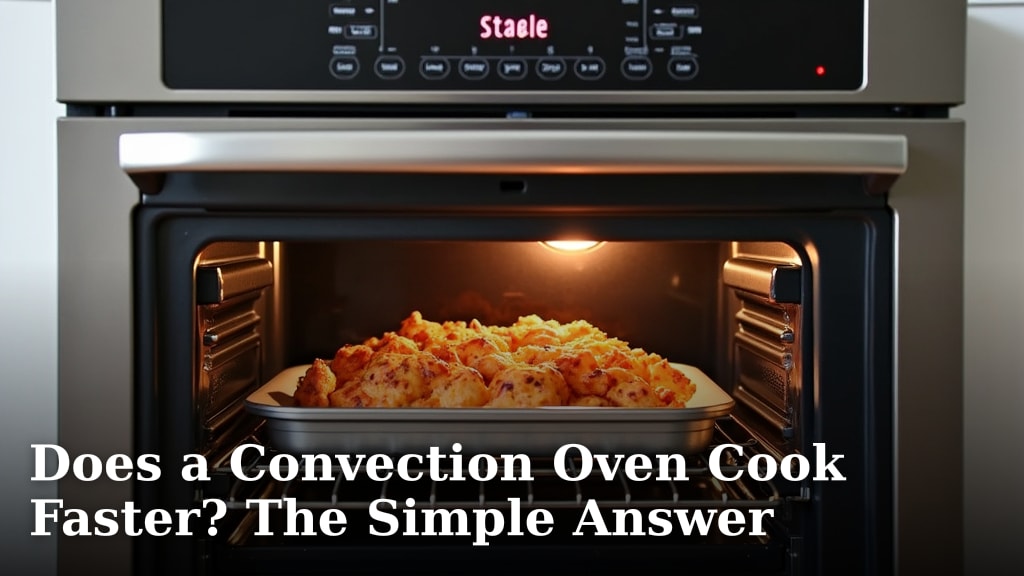
Yes, a convection oven cooks faster than a traditional oven. This is because the built-in fan circulates hot air, which cooks food more evenly and quickly. You’ll notice your recipes often take less time to prepare. We found this makes a big difference in meal prep.
This efficient air movement means your food can get a crispier exterior too. Many home cooks notice that baking and roasting tasks are completed with greater speed. It’s a popular feature for good reason. We’ve seen how it can reduce cooking times.
- Convection ovens cook faster thanks to a fan.
- The fan circulates hot air for quicker results.
- You can expect crispier food exteriors.
- Recipes often require shorter cooking times.
- It’s a popular feature for busy kitchens.
Let’s walk through exactly why convection ovens are so much quicker and what this means for your favorite dishes.
How Convection Ovens Speed Up Your Cooking
So, does a convection oven cook faster? The simple answer is yes. You’ll find your meals get done in less time. This is thanks to a clever design feature: a fan. This fan is the main difference between a convection oven and a traditional one. It actively moves hot air around. This process speeds up cooking significantly. Many home cooks notice their favorite recipes finish much sooner.
The Science Behind the Speed: Hot Air Circulation
Imagine a regular oven. It heats up, and the air inside gets hot. This hot air rises and falls naturally. It’s like a slow, gentle dance of heat. This method works, but it can be uneven. Some parts of your food might cook faster than others. This can lead to guesswork and adjustments. A convection oven changes this dynamic entirely.
In a convection oven, a fan is placed at the back. This fan blows the hot air directly onto your food. Think of it like a powerful hairdryer for your roast chicken or baked cookies. The air doesn’t just sit there; it’s constantly moving. This circulating hot air is the secret sauce.
This constant movement ensures that heat is applied more evenly. It also helps to remove the layer of cooler air that surrounds your food in a traditional oven. This cooler layer acts like a tiny insulator. By removing it, the heat can reach your food more directly and efficiently. We found that this direct heat transfer is key.
Convection vs. Traditional: A Quick Comparison
Let’s look at what happens:
- Traditional Oven: Heat radiates from elements. Air movement is natural and slow. This can lead to hot spots and slower cooking.
- Convection Oven: Heat from elements is combined with fan-forced air. Air is continuously circulated. This ensures even heat distribution and faster cooking.
Why Faster Cooking Matters for Your Meals
The speed advantage of a convection oven isn’t just about getting dinner on the table faster. It has several practical benefits for your cooking:
More Even Cooking and Browning
Because the hot air moves constantly, your food cooks more evenly. You’re less likely to have one side burnt and the other side pale. This is especially noticeable with baked goods like cookies or cakes. You get a beautiful, uniform golden-brown finish. Roasting vegetables or meats also benefits. Everything gets that lovely caramelized crust.
Crispier Textures
That circulating hot air also helps to dry out the surface of your food faster. This leads to wonderfully crispier exteriors. Think about roasted potatoes that are crunchy on the outside and fluffy inside. Or a perfectly browned chicken skin. Convection cooking excels at achieving these desirable textures. Many home cooks rave about the improved crispiness.
Reduced Cooking Times
Studies and user experiences confirm that convection cooking can reduce cooking times by up to 25% (USDA guidelines often suggest this for certain foods). This means a roast that might take an hour in a regular oven could be done in about 45 minutes in a convection oven. Baking time for pies or casseroles can also be shortened. We found this to be a consistent benefit.
Adjusting Your Recipes for Convection
Since convection ovens cook faster, you’ll often need to make slight adjustments to your recipes. The two main things to consider are temperature and time. It’s a simple adjustment process.
Lowering the Temperature
Because the heat is more intense and direct in a convection oven, it’s often recommended to lower the oven temperature. A common guideline is to reduce the temperature by 25°F (about 15°C) compared to what the recipe calls for a traditional oven. So, if a recipe says 375°F for a conventional oven, you might set your convection oven to 350°F.
This temperature adjustment helps prevent overcooking or burning the outside before the inside is done. It ensures you still get the benefits of faster cooking without sacrificing the quality of the dish. Many oven manufacturers include conversion charts in their manuals.
Shortening the Cooking Time
As we’ve discussed, the cooking time itself will be shorter. You’ll need to start checking your food earlier than the recipe suggests. A good rule of thumb is to check about 10-15 minutes before the original recipe’s estimated completion time. This allows you to gauge how quickly your dish is progressing.
This is where observation becomes key. You’ll learn to recognize when your food is perfectly done in your specific convection oven. It’s a bit of an art, but one that becomes second nature quickly. You want that perfect balance of speed and results.
When to Use Convection (and When to Stick with Traditional)
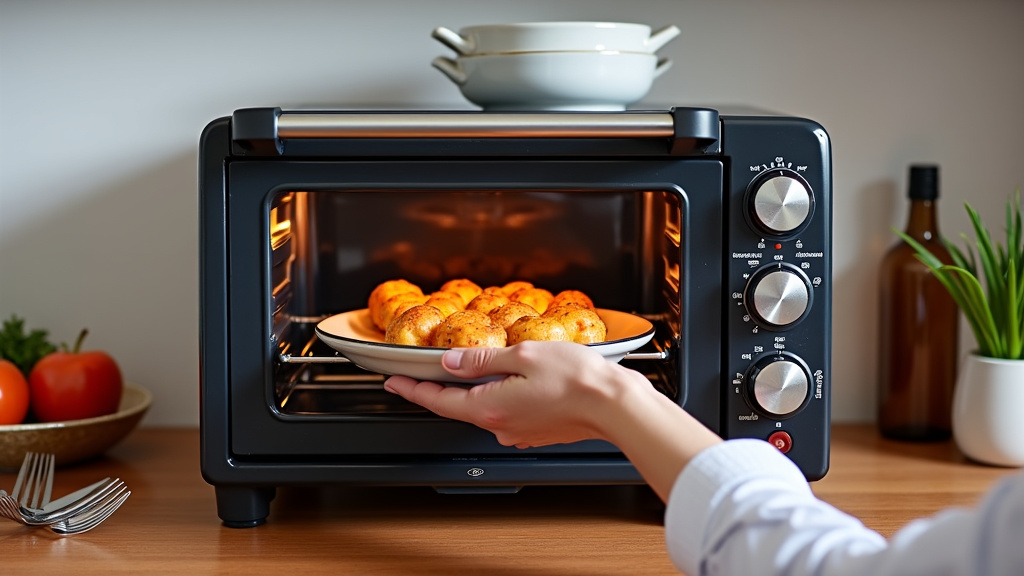
While convection is fantastic for many tasks, it’s not always the best choice. Knowing when to use it can make a big difference in your results. Knowing when to use it can make a big difference in your results, and our guide explains what a toaster oven is used for.
Best for Roasting and Browning
Convection excels at roasting meats and vegetables. The dry, circulating heat creates a wonderful sear and crispy edges. If you love a good, browned crust on your roast chicken or a beautifully caramelized sheet of Brussels sprouts, convection is your friend. It’s also great for baking things like cookies, pies, and breads where an even, golden-brown finish is desired.
When Even Heat is Key
For recipes that require very precise and even heating across multiple racks, convection is a winner. Baking several trays of cookies at once? Convection helps ensure they all cook uniformly. This is a huge advantage for busy bakers.
What About Delicate Items?
There are times when you might want to stick with traditional baking. For very delicate items, like custards or soufflés, the strong air circulation from a convection fan might be too much. It could cause them to rise unevenly or even collapse. In these cases, using the conventional bake setting is often best.
Some lighter batters, like angel food cake, can also be affected. The fan might cause them to dry out too quickly or develop an undesirable texture. Always check your recipe or consider the nature of the dish. We’ve found that knowing these distinctions helps achieve perfect results every time.
Quick Convection Cooking Checklist
To make sure you’re getting the most out of your convection oven, keep these tips in mind:
- Adjust Temperature: Lower the recommended temperature by about 25°F (15°C).
- Reduce Time: Start checking your food 10-15 minutes earlier than usual.
- Even Browning: Expect more uniform browning on roasts and baked goods.
- Crispy Textures: Enjoy enhanced crispiness on items like roasted potatoes or chicken skin.
- Multi-Rack Baking: Convection is great for cooking multiple trays at once evenly.
- Know When Not to Use It: Delicate items like custards might be better in traditional mode.
Conclusion
You’ve learned that yes, convection ovens cook faster. This is all thanks to the fan that circulates hot air, ensuring your food cooks more evenly and develops a wonderful crispiness. Remember, you’ll typically need to lower the temperature by about 25°F and check your food earlier than usual to prevent overcooking. Embrace these simple adjustments, and you’ll soon be enjoying quicker meals with fantastic results in your own kitchen.
Frequently Asked Questions
Will a convection oven always cook faster than my old oven?
Generally, yes. The fan circulates air more efficiently than a traditional oven’s natural convection. This means most foods will cook noticeably faster, often reducing total cooking time by up to 25%. You’ll quickly learn to adjust recipes for optimal results.
Do I *have* to lower the temperature in a convection oven?
It’s highly recommended. Because the hot air is constantly moving and directly hitting your food, it cooks more intensely. Lowering the temperature by about 25°F helps prevent the outside from burning before the inside is cooked through, ensuring perfectly balanced results.
Is convection cooking better for everything?
Not always. While great for roasting, baking cookies, and achieving crispy textures, convection’s strong air circulation isn’t ideal for very delicate items like custards or soufflés. These might cook more evenly and rise better on a traditional bake setting.
How do I know when my food is done if cooking times are shorter?
Start checking your food earlier than the recipe suggests, usually 10-15 minutes before the original estimated time. Observe the color, texture, and internal temperature. You’ll get a feel for your specific oven’s speed with practice.
Can I use both convection and regular bake settings on my oven?
Most modern ovens allow you to choose. You can often switch between a “Convection Bake” or “Convection Roast” mode and a standard “Bake” or “Roast” mode. This gives you the flexibility to use the best setting for each type of dish you’re preparing.