How Does a Toaster Oven Heat Food? A Closer Look
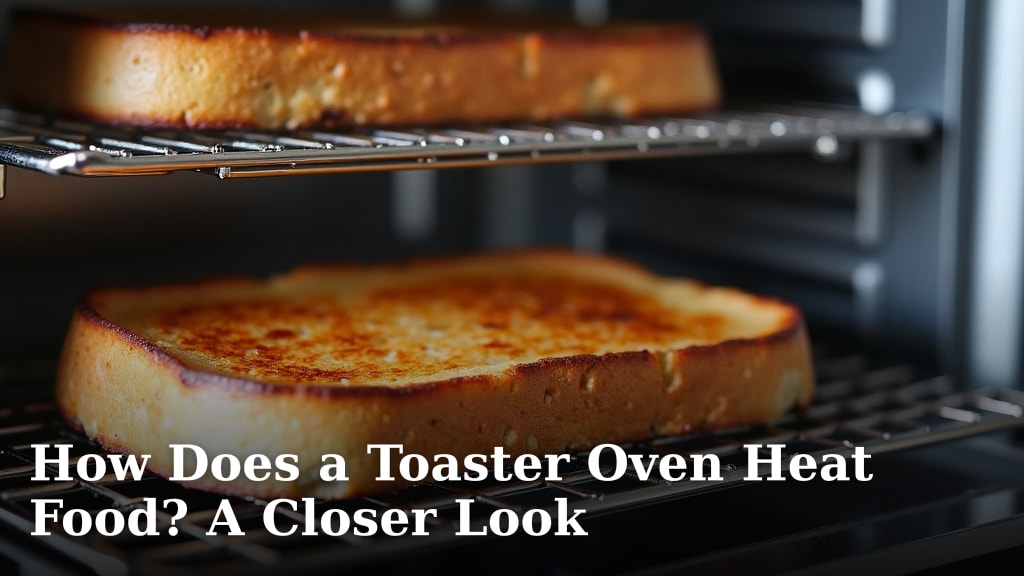
A toaster oven heats food using heating elements, typically located at the top and bottom of the oven cavity. These elements, often made of nichrome wire, glow red hot when electricity passes through them, radiating heat onto your food. This direct radiation, combined with convection and sometimes convection fan assistance, cooks and browns your meals effectively. Our guide explains what temperature a toaster oven reach and how it impacts cooking.
Understanding how your toaster oven works can help you make better cooking choices. It’s a versatile appliance that can toast, bake, broil, and reheat. Many models offer different heat settings and timers for precise control. Research shows that the placement of heating elements plays a key role in how evenly your food cooks.
- Toaster ovens use top and bottom heating elements.
- These elements glow red-hot to radiate heat.
- Heat cooks food through radiation, convection, and sometimes a fan.
- This method allows for toasting, baking, and broiling.
Below, we’ll break down exactly how your toaster oven’s heating system works, so you can get the most out of it for all your cooking needs. This article explains what a toaster oven is and its basic functions.
How Your Toaster Oven Heats Food: An Inside Look
You’ve probably used your toaster oven for quick snacks or reheating leftovers. But have you ever wondered what’s really happening inside to make your food hot? It’s a clever process that involves a few key players working together.
The Role of Heating Elements
At the heart of your toaster oven are its heating elements. Think of them as the engine that drives the cooking. These are typically metal coils, often made from a special alloy called nichrome. Nichrome is used because it can get very hot without breaking down easily.
How Nichrome Coils Work
When you turn on your toaster oven, electricity flows through these nichrome coils. As the electricity meets resistance in the wire, it generates heat. This process is similar to how a light bulb filament glows. The coils quickly heat up and start to emit a bright, red glow.
This red glow is a sign that they are producing a lot of heat. You’ll often find these elements positioned at the top and bottom of the oven cavity. This placement is intentional, allowing heat to surround your food.
The Science of Heat Transfer in Your Toaster Oven
Once those heating elements are glowing, they transfer heat to your food through three main methods: radiation, convection, and sometimes conduction.
Heat Through Radiation
Radiation is like the heat you feel from a campfire or the sun. The hot elements directly beam infrared energy onto your food. This is why the parts of your food facing the elements often brown first. It’s a very direct way to cook.
This radiant heat is essential for achieving that perfect crispiness. It’s what gives toast its golden-brown color. It also helps to quickly cook the surface of other foods, like pizza or chicken wings.
Heat Through Convection
Convection is about air movement. As the heating elements warm up, they also heat the air inside the oven cavity. Hot air naturally rises, cools as it circulates, and then sinks back down. This creates a continuous cycle of air movement.
This moving air carries heat all around your food, helping to cook it evenly. It’s like a gentle, warm breeze circulating throughout the oven. Many countertop ovens rely on this natural convection to cook.
The Impact of Convection Fans
Some toaster ovens take this a step further by including a convection fan. This fan actively blows the hot air around the oven. It speeds up the air circulation significantly compared to natural convection.
Research and consumer feedback often highlight that convection fans lead to faster cooking times and more even browning. They prevent hot spots. This is particularly helpful for baking, where consistent temperature is key.
Conduction: A Supporting Role
Conduction is heat transfer through direct contact. When your food sits on a baking tray, heat is transferred from the tray to the food. The tray itself is heated by radiation and convection from the elements and the air.
While not the primary heating method, conduction plays a role, especially for items placed directly on a hot tray. It helps ensure the bottom of your food cooks as well. It’s a supporting act to radiation and convection.
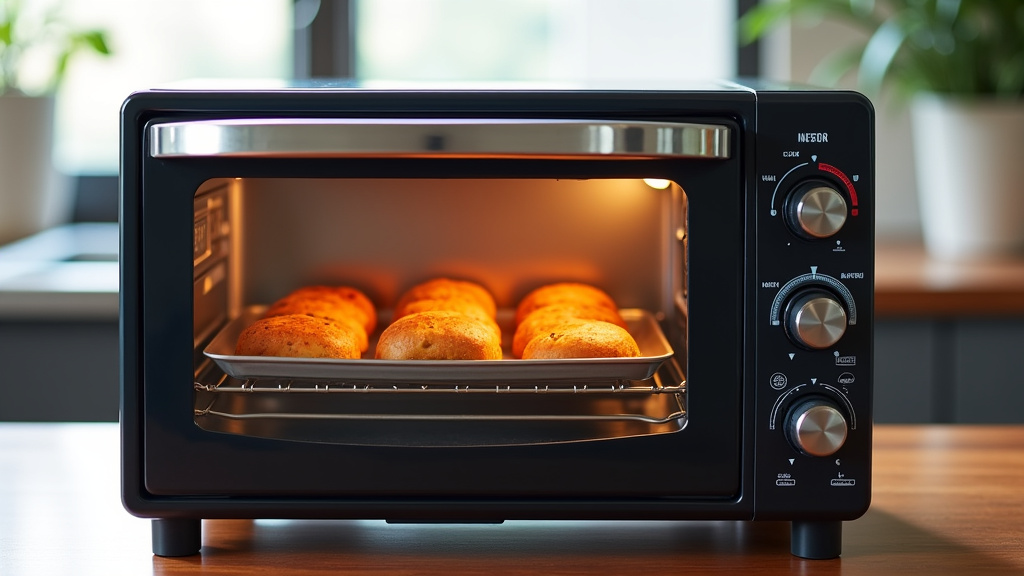
Understanding Different Toaster Oven Functions
Your toaster oven isn’t just for toast! Different settings utilize the heating elements in various ways to achieve different cooking results.
Toasting: The Classic Use
Toasting is where most toaster ovens shine. The heating elements, usually both top and bottom, are set to a high power for a short burst. They glow brightly, radiating heat directly onto the bread slices. The coils might cycle on and off to maintain the desired level of brownness.
Baking: Even Heat Distribution
For baking, the elements typically heat up and maintain a steady temperature. The goal is even heat throughout the oven cavity. This is often achieved by using both top and bottom elements, sometimes at lower power levels than for toasting.
If your model has a convection fan, it will likely be engaged during baking. This ensures consistent temperatures all around your cake or cookies. It prevents the top from burning before the inside is cooked.
Broiling: Direct Top Heat
Broiling uses the top heating element intensely. The element gets very hot and directly cooks food from above. This is perfect for melting cheese or quickly browning the top of dishes like casseroles.
When broiling, you usually place your food close to the top element. This maximizes the radiant heat. You need to watch your food closely to prevent burning. It’s a fast, high-heat cooking method.
| Function | Primary Heat Source | Element Usage | Typical Result |
|---|---|---|---|
| Toast | Radiation | Top & Bottom (High Power, Cycling) | Crisp, browned bread |
| Bake | Radiation & Convection | Top & Bottom (Steady Temp) | Evenly cooked food |
| Broil | Radiation (Intense) | Top Element Only (Very High Power) | Quick browning/melting |
| Reheat | Radiation & Convection | Top & Bottom (Variable) | Warmed food, can crisp |
Tips for Using Your Toaster Oven Effectively
Knowing how your toaster oven works can help you get the best results. Here are a few simple tips to keep in mind.
- Preheat Appropriately: For baking, always preheat your oven. This ensures the cavity reaches the correct temperature before your food goes in.
- Position Food Correctly: For broiling, place food close to the top element. For baking, use the middle rack for even heat.
- Monitor Cooking: Toaster ovens can cook faster than larger ovens. Keep an eye on your food, especially when broiling or toasting.
- Clean Regularly: A clean oven heats more efficiently. Wipe down the interior and crumb tray often.
- Understand Your Model: Read your owner’s manual. It will explain the specific functions and best uses for your particular toaster oven.
Conclusion
You now understand the core principles behind how your toaster oven heats food. It’s a combination of radiant heat from glowing coils and convection from moving air, sometimes boosted by a fan. Knowing these methods helps you choose the right settings for perfect toast, evenly baked goods, or quickly broiled toppings. This knowledge empowers you to get the best results from this versatile kitchen appliance. Next time you use your toaster oven, pay attention to how the heat is working to cook your meal, and adjust your cooking times and rack positions accordingly.
Frequently Asked Questions
How do I know if my toaster oven uses a convection fan?
Check your toaster oven’s control panel or dial. If you see a setting labeled “Convection,” “Fan,” or see a fan symbol, it likely has one. Your appliance’s user manual will also confirm if it includes a convection fan.
Why does the top of my food brown faster than the bottom in a toaster oven?
This is common because the top heating element is often closer to your food and more intensely used for functions like broiling. You can help even this out by using the middle rack for baking or flipping your food midway through cooking.
Can a toaster oven really bake like a regular oven?
Yes, many toaster ovens bake quite well, especially models with convection fans. They are ideal for smaller batches or when you don’t want to heat up a full-sized oven. Just be sure to preheat it properly.
Is the red glow from the heating elements dangerous?
No, the red glow is simply a sign that the nichrome heating elements are getting hot enough to cook your food. It’s a normal part of the radiant heating process. Just avoid touching the elements when the oven is on or cooling down.
What’s the difference between broiling and baking in a toaster oven?
Baking uses both top and bottom elements to maintain a steady, even temperature throughout the oven. Broiling relies heavily on the top element at a very high heat to quickly cook food from above, ideal for browning or melting.