What Does Air Fry Mode Do in a Toaster Oven?
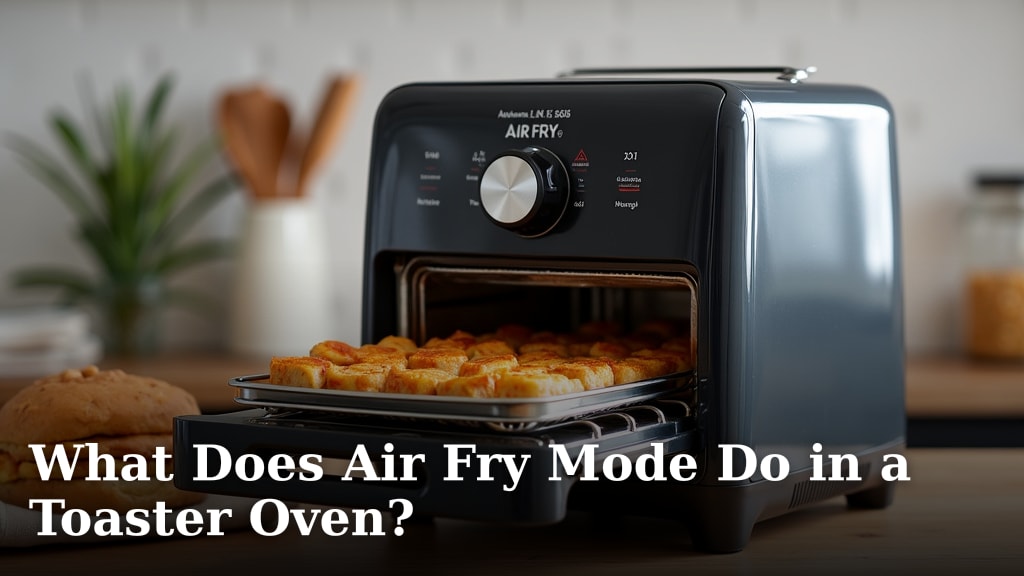
Air fry mode in your toaster oven uses a powerful fan to circulate hot air. This cooks your food faster and makes it nice and crispy. It’s designed to mimic the results of a standalone air fryer. Think golden brown fries and chicken wings right in your toaster oven.
This special mode is great for heating up leftovers. It can also cook smaller portions of food quickly. You’ll find it’s an excellent way to get that satisfying crunch without deep frying. Many users report it’s much quicker than traditional oven baking for certain items, offering a convenient alternative.
- Air fry mode circulates hot air rapidly.
- This cooks food faster and makes it crispy.
- It’s a great way to heat leftovers and snacks.
- You get a satisfying crunch without deep frying.
- It’s a convenient alternative to traditional ovens.
Let’s walk through exactly what this mode does and how you can get the most out of it in your kitchen.
How Air Fryer Mode Works in Your Toaster Oven
Your toaster oven’s air fry mode isn’t just a fancy label. It’s a specific cooking function designed to give you results similar to a dedicated air fryer. The key difference lies in how the heat is distributed. Instead of just baking or toasting, this mode uses a powerful fan. This fan circulates super hot air very quickly around your food. This rapid air movement is what makes food crispy and browned.
Think of it like a tiny, powerful convection oven inside your toaster oven. The fan’s job is to create a vortex of heat. This intense, consistent heat flow is what browns and crisps up the outside of your food. It helps cook things more evenly and much faster than traditional baking. You’re essentially getting a more intense version of convection cooking. This makes it ideal for foods that benefit from that signature crispiness.
The Technology Behind the Crisp
At its core, air frying relies on convection. Your toaster oven’s air fry mode amplifies this principle. It uses a high-speed fan located at the back of the oven. This fan pushes hot air around the cooking chamber. It’s not just a gentle circulation like in some convection ovens. This is a vigorous airflow. This fast-moving hot air quickly removes moisture from the surface of your food. This evaporation process is what leads to that delightful crunch.
The heating elements, typically at the top and bottom, generate the heat. The fan then takes this heat and blasts it onto your food from all angles. This creates a more uniform cooking environment. It means you’re less likely to have cold spots or unevenly cooked areas. This makes it perfect for achieving that golden-brown finish on everything from fries to chicken wings.
Fan Speed and Heat Distribution
The difference between regular convection and air fry mode often comes down to fan speed and temperature control. Air fry settings usually use a higher fan speed. This creates that intense circulation we talked about. The oven also often operates at a slightly higher temperature than you might use for traditional baking. This combination helps to achieve crispier results faster. The oven also often operates at a slightly higher temperature than you might use for traditional baking.
Some toaster ovens allow you to adjust fan speed within the air fry mode. A faster speed means more intense crisping. A slightly slower speed might be better for more delicate items that you don’t want to dry out too quickly. Always check your appliance’s manual for specific recommendations. It’s about finding the sweet spot for each type of food you cook.
What Can You Cook with Air Fry Mode?
Air fry mode is incredibly versatile. It excels at tasks where you want a crispy exterior. Think about all those snacks and appetizers that benefit from being golden brown and crunchy. It’s not just for frozen foods, either. You can cook fresh items with fantastic results. It’s a true kitchen workhorse for busy households. You’ll find yourself reaching for this mode more often than you might expect.
Snacks and Appetizers You’ll Love
This is where air fry mode truly shines. Frozen fries, chicken nuggets, onion rings, and mozzarella sticks come out perfectly crispy. They often taste better than when baked in a traditional oven. The intense heat circulation gets them evenly browned. You get that satisfying crunch that mimics deep-fried versions, but with much less oil. It’s a healthier way to enjoy your favorite finger foods. Many experts note the reduction in unhealthy fats is a major benefit (USDA FoodData Central).
But don’t stop at the usual suspects. Try air frying things like spring rolls, dumplings, or even jalapeño poppers. You can also make crispy chickpeas for salads or snacks. Some people even air fry small batches of vegetables like broccoli or Brussels sprouts to make them wonderfully tender inside and crispy outside. Just remember to toss them with a little oil for best results.
Cooking Proteins to Perfection
Beyond snacks, air fry mode is great for cooking smaller portions of protein. Chicken wings are a classic. You can achieve incredibly crispy skin without the mess of deep frying. Salmon fillets cook quickly and develop a lovely seared crust. Shrimp cooks in just a few minutes, becoming tender and slightly browned. Pork chops can also be cooked to a juicy finish with a nicely rendered fat cap.
When cooking meats, it’s important to consider the thickness and type of cut. Thinner cuts will cook very quickly. Thicker cuts might need a slightly lower temperature or a shorter cooking time to avoid drying out the exterior before the interior is cooked through. Using a meat thermometer is always a good idea to ensure your food is cooked to a safe internal temperature. We found that thinner cuts of chicken breast air fried beautifully.
Reheating Leftovers Like They’re Fresh
This is perhaps one of the most underrated uses for air fry mode. Forget the soggy microwave. Leftovers that often lose their texture in a microwave can be revived. Pizza slices get a crispy crust and melted cheese. Fried chicken becomes wonderfully crispy again. Roasted vegetables regain their roasted texture. It’s like magic for your uneaten meals. You get that fresh-from-the-oven taste and texture back.
The key is to use a temperature and time appropriate for the food. You don’t want to overcook or burn anything. For something like leftover fries, a few minutes at a medium-high heat is usually perfect. For a slice of pizza, just a few minutes to reheat the toppings and crisp the crust is often enough. This mode offers a fantastic way to reduce food waste by making leftovers enjoyable again.
Tips for Getting the Best Results
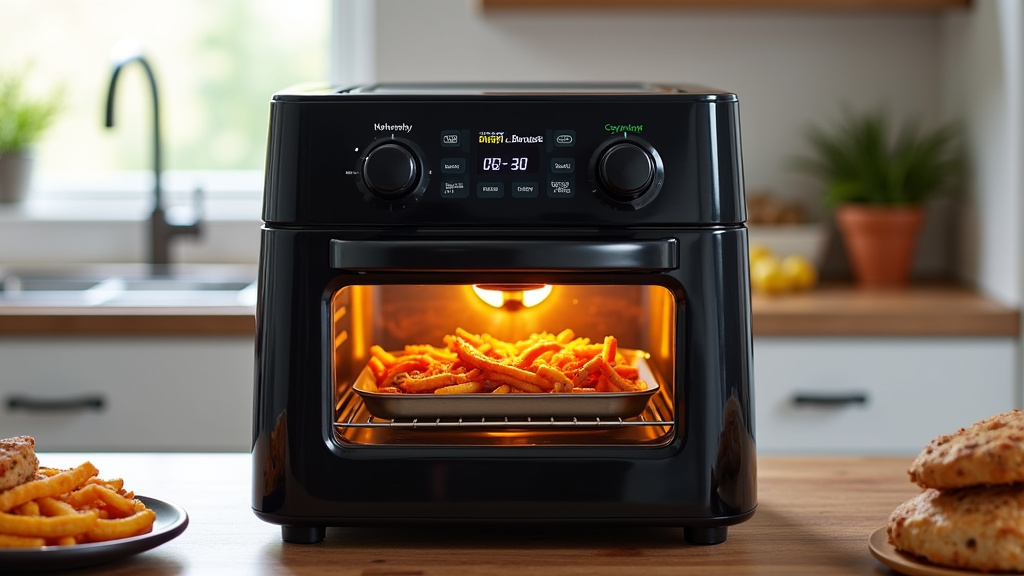
Like any cooking method, air frying in your toaster oven has a learning curve. Following a few simple tips can help you achieve delicious, crispy results every time. It’s all about understanding how the heat and air circulation work together. Don’t be afraid to experiment a little to find what works best for your specific appliance and your taste.
Don’t Overcrowd the Basket or Tray
This is perhaps the most important rule of air frying, whether in a dedicated unit or a toaster oven. If you pile too much food into the cooking area, the hot air can’t circulate properly. This leads to uneven cooking and soggy food. Think of it like trying to dry your hair with a fan far away – it won’t be efficient. You need the air to reach all surfaces.
If you’re cooking a larger batch, it’s better to cook in stages. Arrange your food in a single layer. Leave some space between the pieces. This allows the air to flow freely. For toaster ovens with a basket or tray, ensure you don’t fill it more than two-thirds full. This simple step makes a huge difference in crispiness.
Use a Little Oil for Extra Crispiness
While air frying uses significantly less oil than deep frying, a small amount can still enhance your results. Tossing your food with a tablespoon or two of oil before cooking helps to achieve that perfect golden-brown color and extra crispiness. It helps the seasonings adhere to the food, too. You can use a spray bottle for an even coating.
Research suggests that adding oil helps in the Maillard reaction, which is responsible for browning and flavor development (Harvard Health Publishing). For foods that are naturally fatty, like chicken wings, you might not need to add any extra oil at all. For leaner items like vegetables or chicken breast, a light coating is beneficial. Olive oil, avocado oil, or canola oil are all good choices.
Shake or Flip Your Food Midway
Since the air circulates from the top, the food on the top layer or closest to the fan might cook faster. To ensure even cooking and browning, it’s a good practice to shake the basket or flip your food halfway through the cooking time. This exposes all sides of the food to the hot air flow. It’s a simple step that ensures you get consistent crispiness on all pieces.
For toaster ovens, this usually involves opening the door and carefully flipping the food on the tray with a spatula. Some models have a specific accessory like a tumbling cage that helps with this. If you don’t have one, a simple flip is all it takes. This also gives you a chance to check on the cooking progress. Are your fries getting nicely golden? Is your chicken developing a good crust?
Know Your Toaster Oven’s Capabilities
Not all toaster ovens are created equal. Some have more powerful fans and more precise temperature controls than others. It’s helpful to understand what your specific model can do. What are its temperature ranges? What is the maximum fan speed? Refer to your appliance’s manual for detailed specifications. It might also offer cooking charts or suggestions.
We found that understanding the temperature difference between your air fry setting and a standard oven bake setting can be helpful. Air fry often cooks hotter and faster. This means you might need to adjust cooking times and temperatures from recipes designed for traditional ovens. Start with the recommended settings and check your food early. You can always add more time if needed. It’s better to undercook slightly than to overcook.
Choosing the Right Accessories
Some toaster ovens come with specific accessories for air frying, like a perforated basket or tray. These are designed to maximize air circulation. If yours doesn’t, a standard baking tray can still work. However, avoid using solid trays for air frying if possible, as they can block airflow. A wire rack placed on top of a baking tray can sometimes help.
Some users also find that using parchment paper can be helpful for easier cleanup. However, be cautious. Ensure the parchment paper doesn’t fly up and touch the heating elements. It’s usually best to use it with food placed on top of it, rather than placing an empty piece of parchment in the oven. Always follow the manufacturer’s instructions regarding accessory use. Safety first!
Preheating Is Usually Recommended
Just like with a traditional oven, preheating your toaster oven in air fry mode helps ensure even cooking from the start. When you place food into a hot oven, it begins to cook immediately. If the oven is still heating up, the cooking process will be slower and less consistent. You want that hot air circulating the moment your food goes in.
Many air fryer and toaster oven manuals recommend preheating for 3-5 minutes. This allows the oven to reach the set temperature and for the fan to start circulating that intense heat. For most air fry recipes, preheating is a standard step. It contributes to achieving that desirable crispy texture. You’ll notice a difference when your oven is properly preheated.
Here’s a quick checklist to help you master your air fry mode:
- Always preheat your toaster oven.
- Arrange food in a single layer.
- Don’t overcrowd the cooking area.
- Consider a light toss with oil.
- Shake or flip food halfway through.
- Check your food often for doneness.
Conclusion
Your toaster oven’s air fry mode is a powerful tool for achieving crispy, delicious results. By using a high-speed fan to circulate hot air, it cooks food faster and makes it delightfully crunchy. You can use it for everything from frozen snacks to reheating pizza. Remember to not overcrowd your tray and shake food halfway through for even cooking. Start experimenting with your favorite recipes and enjoy the convenience of air frying right on your countertop!
Frequently Asked Questions
Can I air fry without oil in my toaster oven?
Yes, you can. While a little oil can enhance crispiness, many foods like chicken wings or veggies that naturally release fat don’t need added oil. For leaner items, you might find they turn out slightly less crispy without any oil.
Is air fry mode just a fancy convection setting?
While related, air fry mode typically uses a higher fan speed than standard convection. This creates a more vigorous airflow, leading to quicker cooking and a crispier finish that goes beyond what regular convection can achieve.
How do I prevent my food from getting dry in air fry mode?
To prevent dryness, don’t overcook your food. Also, consider tossing items like chicken breasts or vegetables with a small amount of oil before cooking. Flipping or shaking food midway through helps ensure even cooking without needing to cook it longer.
What kind of tray should I use for air frying in my toaster oven?
Ideally, use a perforated or mesh tray if your toaster oven came with one, as it allows air to circulate better. If you only have a standard baking tray, try to arrange food in a single layer with space between items to allow airflow.
Can I use parchment paper in my toaster oven’s air fry mode?
Yes, but with caution. Always ensure the parchment paper is weighted down by food to prevent it from flying up and touching the heating elements. Some manufacturers advise against using it, so check your manual for specific guidance.