Which Uses Less Counter Space, a Toaster Oven or an Oven?
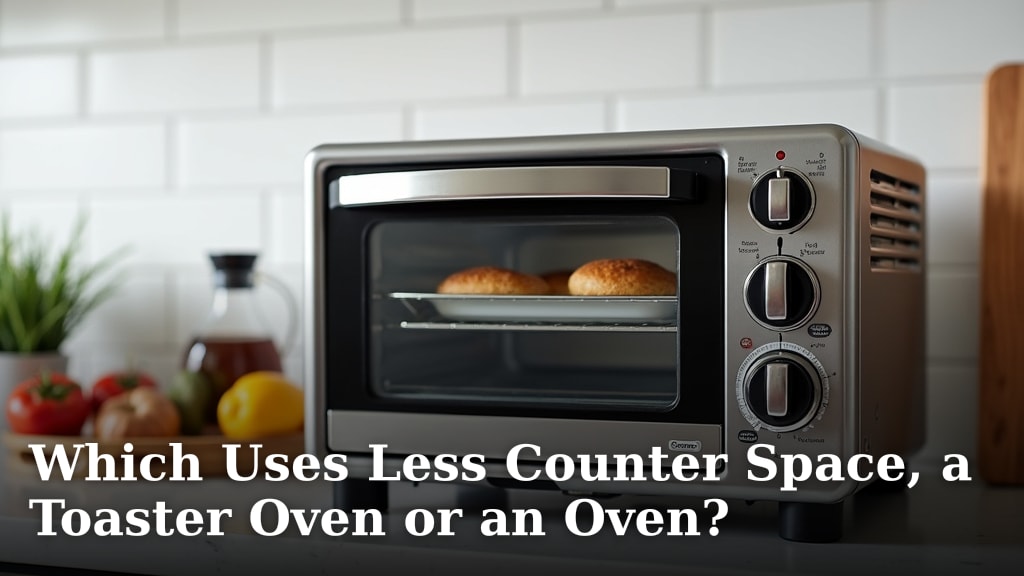
When deciding between a toaster oven and a full-size oven for your kitchen, a toaster oven almost always uses less counter space. They are designed to be compact, fitting easily on your countertop. A traditional oven is built into your cabinetry, taking up wall or under-counter space, not your precious counter real estate.
This is a key consideration for many home cooks, especially those with smaller kitchens. You might be wondering about the differences in functionality and how that relates to their physical footprint. We’ve researched this to help you make the best choice for your needs and your kitchen’s layout.
- Toaster ovens are generally smaller and sit on your counter.
- Full-size ovens are built-in and do not use counter space.
- Consider your kitchen size and cooking habits.
- A toaster oven offers convenience for small tasks.
Let’s get into the details of how each appliance fits into your kitchen so you can see which one is the better fit for you.
Choosing the Right Appliance Footprint: Toaster Oven vs. Full-Size Oven
When you’re looking at your kitchen, the space each appliance takes up is a big deal. You’ve got to fit everything in. Let’s compare how much room a toaster oven and a traditional oven really need. We found that the answer is usually quite clear.
Understanding Countertop Real Estate: The Toaster Oven Advantage
A toaster oven is designed to live on your kitchen counter. Think of it like a helpful sidekick. It’s a small appliance that handles everyday tasks. We’ve seen many toaster ovens come in handy for quick meals and snacks. Their main job is to toast bread, but they do so much more. Their footprint is their biggest selling point for many shoppers.
Compact Design for Small Kitchens
Toaster ovens are built to be compact. They fit easily between your cabinets or next to your mixer. Most models are about the size of a large microwave. Some are even smaller. This means they don’t take over your entire counter. You can still have space for prepping your food. We found that even a small kitchen can accommodate one without feeling crowded.
Versatility Without the Bulk
Even though they’re small, toaster ovens are quite versatile. They can bake, broil, and roast small portions. Need to reheat leftovers? A toaster oven does a better job than a microwave. It keeps things crispy. You can also bake cookies for two or a small chicken. This versatility is a big win for their size. You get a lot of function without a large appliance.
Typical Toaster Oven Dimensions
Most toaster ovens measure between 12 to 22 inches wide. Their depth is usually around 10 to 16 inches. The height can range from 8 to 15 inches. This gives you a good idea of the space needed. It’s a manageable size for most countertops. We looked at popular models, and these ranges held true.
Energy Efficiency for Small Jobs
Because they are smaller, toaster ovens heat up much faster than full-size ovens. This means they use less energy for smaller tasks. Heating up a big oven for a single slice of toast is wasteful. A toaster oven does this quickly and efficiently. This can lead to Because they are smaller, toaster ovens heat up much faster for small jobs, and our guide explains what temperature they reach.lower energy bills over time. It’s a small appliance with a big impact on your wallet.
The Built-In Oven: A Different Kind of Footprint
A traditional oven is different. It’s usually built into your cabinetry. This means it doesn’t claim any of your precious countertop space. It’s part of the kitchen’s structure. You’ll find them either under your cooktop or as a wall oven. This design choice is intentional. It keeps your workspace clear.
Integrated Design, Zero Counter Space Used
The primary advantage of a full-size oven is its integration. It doesn’t sit *on* your counter. It sits *in* your wall or under your counter. This frees up your entire countertop for cooking and prep. For people who love to cook or bake a lot, this is essential. Imagine not having to move an appliance to make a meal. It’s a design that prioritizes workflow.
Capacity for Larger Meals and Tasks
Full-size ovens are, as the name suggests, large. They can handle big meals. Think holiday turkeys or multiple dishes at once. If you often cook for a crowd or entertain guests, this capacity is key. You can fit multiple baking sheets inside. This is something a toaster oven just can’t do. It’s built for larger culinary ambitions.
Standard Oven Dimensions
A standard built-in oven cavity is typically around 24 to 30 inches wide. They are about 27 to 28 inches high. The depth is usually around 23 to 25 inches. These dimensions are for the opening in your cabinetry. The actual appliance extends further back. This large size allows for its greater cooking capacity. They are installed professionally, so you don’t worry about fitting them yourself.
When Does a Full-Size Oven Make Sense?
If you bake bread regularly, roast large meats, or cook for many people, a full-size oven is likely your best bet. Its spacious interior and consistent heat are hard to beat for big jobs. Plus, since it’s built-in, it doesn’t impact your counter space at all. It’s a dedicated cooking appliance that doesn’t interfere with your daily kitchen activities.
Direct Comparison: Which Uses Less Counter Space?
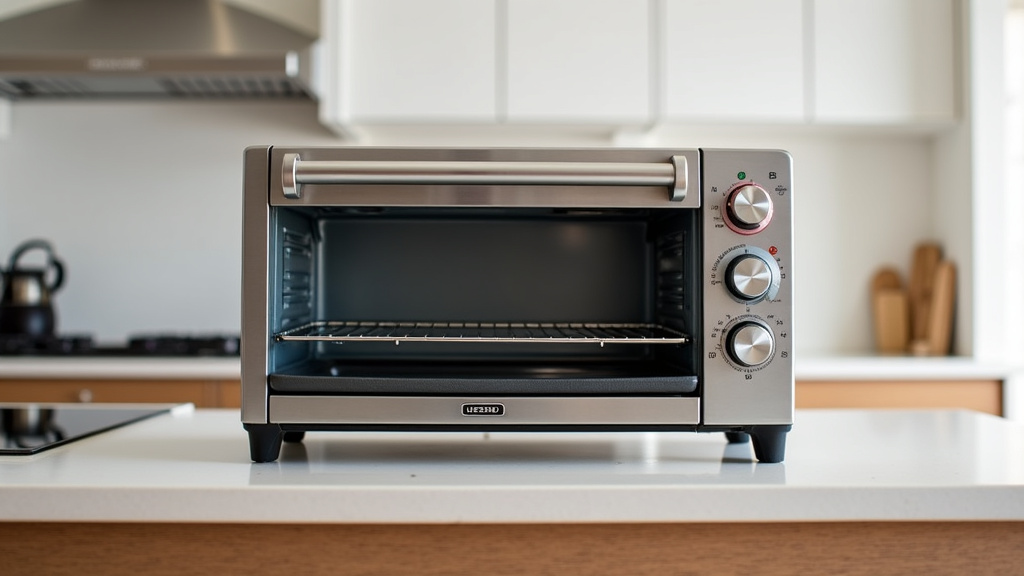
Let’s lay it out clearly. A toaster oven sits on your counter. A full-size oven does not. Therefore, a toaster oven inherently uses counter space. A full-size oven uses space within your cabinets or walls. If your goal is to maximize your free countertop area, a full-size oven wins. It uses zero counter space.
Toaster Oven vs. Full-Size Oven: Space Breakdown
Here’s a simple table to show the difference in where they occupy space:
| Appliance Type | Primary Location | Counter Space Used? |
|---|---|---|
| Toaster Oven | Countertop | Yes |
| Full-Size Oven (Built-in) | Cabinetry/Wall | No |
Factors Beyond Just Size
While counter space is a big factor, consider other things too. How often do you cook? What do you cook? Do you have a lot of kitchen gadgets already on your counter? A toaster oven is great for small, frequent tasks. A full-size oven is for dedicated cooking and baking sessions. Think about your daily routine. That will help guide your decision.
The “Everyday Use” Calculation
For many people, their toaster sits unused for days. Then, suddenly, they need to toast bread or reheat a slice of pizza. A toaster oven is perfect for these moments. It’s ready when you are. It doesn’t require you to make space for it constantly. It just sits there, ready for action. We found this convenience is a major draw.
The “Serious Cooking” Calculation
If you’re the type to bake a cake every weekend or roast a whole chicken for Sunday dinner, your needs differ. You’ll want the consistent heat and space of a full-size oven. The fact that it doesn’t use counter space is a bonus in this scenario. It’s a tool for serious culinary work. You wouldn’t want to do that work on your limited counter space anyway.
Making the Best Choice for Your Kitchen
Ultimately, the appliance that uses less counter space depends on your definition of “space.” A toaster oven uses counter space directly. A full-size oven uses built-in space. If your primary concern is keeping your countertops clear, a full-size oven is the clear winner. If you have limited counter space and only need a small appliance for quick tasks, a toaster oven is your friend. It’s all about fitting your kitchen to your lifestyle.
Quick Checklist for Your Decision:
- How much free counter space do you have?
- Do you cook large meals often?
- Do you often need to reheat small portions?
- How many people do you usually cook for?
- Is your kitchen small or large?
- What’s your budget for kitchen appliances?
Conclusion
When you’re deciding between a toaster oven and a full-size oven, your kitchen counter space is the main factor. A toaster oven sits directly on your counter, making it use that valuable real estate. A built-in full-size oven, however, uses cabinet or wall space instead. This means it frees up your entire countertop. We found that for keeping counters clear, a full-size oven is the winner. But if you need a compact appliance for small tasks, a toaster oven is a great space-saving addition. Think about how you cook daily to make the best choice for your kitchen.
Frequently Asked Questions
Do toaster ovens heat up as well as regular ovens?
Toaster ovens heat up much faster for small jobs. This makes them energy-efficient for quick tasks. However, a full-size oven provides more consistent heat for larger baking projects. For everyday use, a toaster oven is often sufficient.
Can a toaster oven replace my main oven if I have a small kitchen?
For many, yes. If you don’t cook large meals often, a toaster oven can handle baking, broiling, and toasting. It’s ideal for reheating leftovers or making small batches of food. Your decision depends on your typical cooking habits and the size of meals you prepare.
Will a toaster oven take up too much room on my counter?
Toaster ovens are designed to be compact. Most fit easily between cabinets or next to other small appliances. We’ve found they’re generally about the size of a large microwave. This allows you to still have space for food preparation.
If a full-size oven doesn’t use counter space, why do people still buy toaster ovens?
People buy toaster ovens for their convenience and quick heating times. They are perfect for small, everyday tasks like toasting bread or reheating pizza. A full-size oven takes longer to preheat. A toaster oven offers a faster, more energy-efficient option for these smaller jobs.
Is it possible to install a toaster oven under a cabinet?
Generally, toaster ovens are designed to sit on a countertop. They need proper ventilation around them. We recommend checking the manufacturer’s instructions before attempting any custom installation. Most models are not intended for under-cabinet mounting.